
Daya Tahan Terapan dari Solusi Pelacakan Panas Maritim Saat berada di laut, Anda harus sepenuhnya menyadari tantangan yang ada, terutama ketahanan karena prioritas utama adalah kelangsungan hidup. Korosi air garam, suhu ekstrem, dan pergerakan fisik yang terus-menerus memberikan tekanan luar biasa pada peralatan. Peralatan biasa gagal karena Anda tidak berfungsi pada tingkat optimal. Di sinilah peralatan pelacakan panas listrik khusus kami dirancang untuk berfungsi secara optimal. Mari kita telusuri ketahanan sistem tersebut.
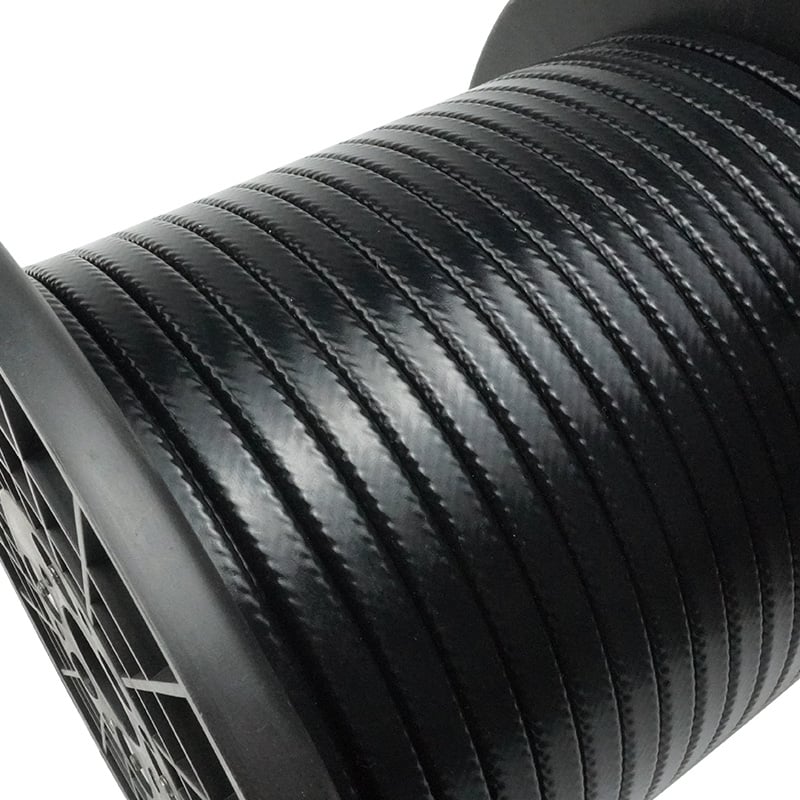
Bayangkan kabel pemanas di platform lepas pantai yang terus-menerus terkena semprotan garam, perendaman air laut, dan paparan sinar UV. Mengapa kabel pemanas ini tidak hancur dalam hitungan bulan? Jawabannya terletak pada rekayasa tingkat tinggi. Sistem pelacakan panas maritim canggih dibuat dengan polimer yang dirancang khusus untuk tahan terhadap serangan kimia dari garam, minyak, dan polutan lainnya di air. Plastik-plastik ini direkayasa secara khusus, dan bahkan setelah bertahun-tahun terpapar secara konstan, mereka tidak akan kehilangan integritas strukturalnya. Sering kali, di bawah lapisan plastik tersebut, terdapat pipa logam yang telah dilapisi anti-korosi. Sistem-sistem ini dirancang untuk tahan terhadap korosi dan kerusakan yang ditimbulkan oleh lingkungan laut. Lebih dari itu, sistem ini mampu menolak korosi dari laut. Karena itulah sistem-sistem ini dibuat untuk tahan di lingkungan maritim terburuk sekalipun. Kinerja tidak dikorbankan karena kualitas material-material ini.
Lingkungan maritim dapat menjadi salah satu lingkungan paling ekstrem dalam hal manajemen termal karena daerah ini bisa sedingin Kutub Utara pada satu saat dan seenak Daerah Tropis pada saat berikutnya. Tantangan manajemen termal yang menyertai lingkungan ini memerlukan sistem mutakhir. Pelacakan panas maritim berkualitas tinggi akan mengatasi tantangan-tantangan ini. Bahan-bahan yang digunakan mampu menahan suhu dari -50º C hingga 200º C. Desain ini benar-benar unggul dalam kemampuan pengaturan diri. Sistem-sistem ini dapat mendeteksi perubahan suhu lingkungan dan menyesuaikan keluarannya secara tepat. Kejutan termal terhadap kabel dan peralatan yang dilindungi dapat dihindari. Sistem pengaturan diri ini tidak hanya menghemat energi, tetapi juga dirancang untuk bertahan dalam periode operasi yang lama.
Menjalani kehidupan di laut membawa tantangan fisik yang berat, yang berarti peralatan kelautan harus mampu menghadapinya. Getaran mesin, benturan alat, dan pergerakan terus-menerus, untuk menyebutkan beberapa tantangan harian. Sistem pelacakan panas yang dirancang untuk penggunaan kelautan dibuat dengan mempertimbangkan tantangan peralatan ini. Sistem tersebut dilengkapi jaket pelindung yang tahan terhadap sayatan, abrasi, dan tekanan. Titik-titik sambungan, yang sering kali merupakan bagian paling lemah dalam setiap sistem kelistrikan, dibuat kokoh menggunakan konektor kelas maritim serta berbagai metode penyegelan untuk melindungi dari masuknya air. Beberapa sistem mengintegrasikan fitur peningkatan jari-jari lentur, yang semakin meningkatkan kemampuan mereka dalam menghadapi gerakan dan getaran konsisten tanpa risiko retak akibat tegangan pada sambungan. Konstruksi ini memastikan sistem tetap berfungsi bahkan saat kondisi laut sedang buruk.
Ketika berbicara tentang ketahanan kelautan, ini bukan hanya soal ketahanan luar, melainkan juga mencakup ketahanan luar, desain, dan komponen internal. Sistem pelacakan panas kelautan modern telah dilengkapi fitur keselamatan operasional termasuk perlindungan terhadap beban lebih dan perlindungan terhadap gangguan arus ke bumi. Fitur-fitur ini memungkinkan sistem bekerja secara mandiri dan mati sendiri jika terjadi malfungsi. Listrik juga menjadi faktor dalam umur panjang sistem. Kebanyakan sistem dirancang dengan sirkuit paralel. Jika satu titik mengalami kegagalan, seluruh jalur pemanasan tidak akan terputus. Semua sistem dirancang untuk bertahan dan beroperasi dalam kondisi lingkungan yang ekstrem. Ini adalah hasil dari rekayasa sistem yang sangat baik.
Pelacakan panas maritim yang luar biasa mampu mempertahankan tingkat kinerja yang konsisten selama bertahun-tahun. Mereka merancang sistem semacam ini untuk masa pakai 10 hingga 15 tahun di lingkungan paling sulit di dunia. Perusahaan berpengalaman mencapai umur panjang tersebut dengan memperhatikan detail seperti stabilisasi UV untuk mencegah kerusakan akibat sinar matahari, bahan tahan pertumbuhan mikroba dalam air hangat, serta desain yang memungkinkan ekspansi dan kontraksi termal. Sistem terbaik bekerja sesuai janji. Mereka melakukan pengujian ekstensif yang mensimulasikan bertahun-tahun paparan laut dalam kondisi terburuk. Setelah mempertimbangkan biaya dan gangguan akibat penggantian sistem yang gagal di lokasi maritim terpencil, daya tahan yang direkayasa ini menawarkan keandalan operasional dan penghematan jangka panjang yang signifikan.
Mengoperasikan sistem kelautan memiliki risiko kegagalan peralatan. Sistem pelacakan panas kelautan yang direkayasa perusahaan ini tampaknya menawarkan solusi terbaik. Sistem ini menggabungkan material, ilmu kelautan, teknik elektro, dan keahlian kelautan yang berharga untuk solusi yang andal, andal, dan andal.
Anhui Huanrui Heating Manufacturing Co.,Ltd menyediakan kabel pemanas swa-regulasi dan kabel pemanas daya konstan untuk aplikasi industri dan residensial. Solusi bersertifikat kami menawarkan perlindungan dari pembekuan dan pemeliharaan suhu yang andal. Dipercaya oleh klien global. Hubungi kami hari ini.
Jalan Jingsan, Zona Pengembangan Ekonomi Feidong, Hefei
Hak Cipta © 2025 oleh Anhui Huanrui Heating Manufacturing Co.,Ltd Kebijakan privasi
 EN
EN