Ang Inhenyerong Tibay ng Mga Solusyon sa Marine Heat Tracing Habang nasa dagat, kailangan mong lubos na kamalayan sa mga hamon, lalo na sa tibay dahil ang pangunahing layunin ay kaligtasan. Ang korosyon dulot ng tubig-alat, matinding temperatura, at patuloy na pisikal na galaw ay nagdudulot ng malaking presyon sa kagamitan. Nabigo ang karaniwang kagamitan dahil hindi ito gumagana sa optimal na antas. Dito eksaktong inilalapat ang aming espesyalisadong electric heat tracing equipment na idinisenyo upang gumana nang optimal. Tuklasin natin ang katibayan ng mga ganitong sistema.
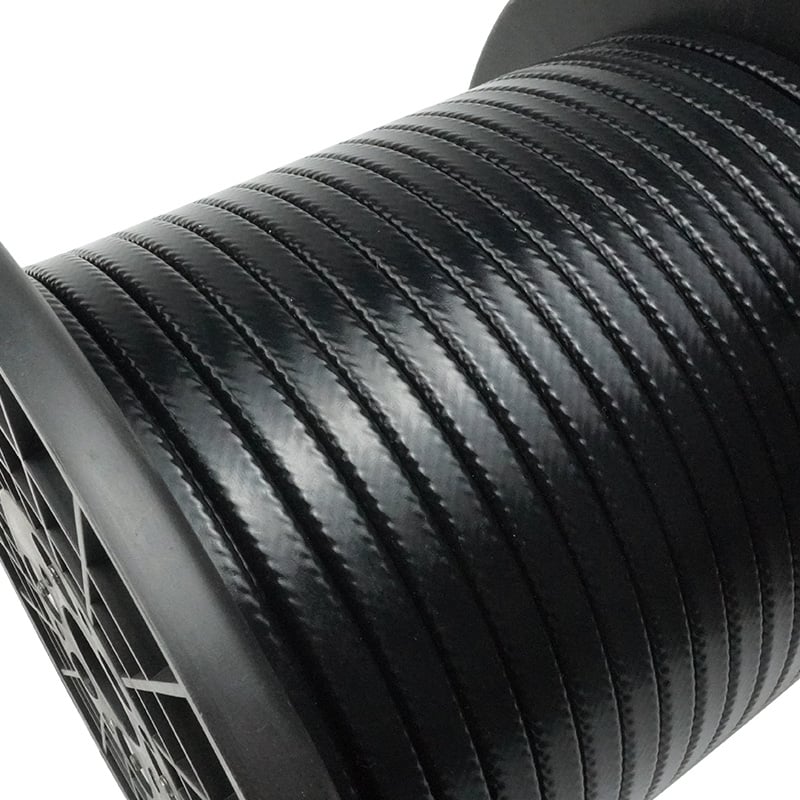
Isipin ang isang heating cable sa isang offshore platform na nakakatanggap ng paulit-ulit na asintad ng asin, pagkababad sa ilalim ng tubig, at paglap exposure. Paano hindi napaparam ang mga heating cable na ito sa loob lamang ng ilang buwan? Ang sagot ay nasa mataas na antas ng engineering. Ang mga advanced marine heat tracing system ay gawa gamit ang mga polymer na espesyal na idinisenyo upang tumagal laban sa kemikal na pagsalakay ng asin, langis, at iba pang polusyon sa tubig. Ang mga plastik na ito ay pasadyang ininhinyero, at kahit sa ilang taon ng patuloy na exposure, ay hindi nawawalan ng kanilang structural integrity. Madalas, sa ilalim ng layer ng plastik, naroon ang metal pipe na may corrosion-resistant coating. Idinisenyo ang mga sistemang ito upang makatagal laban sa corrosion at pinsala na ihahampas ng dagat. Higit pa sa dagat, ang mga sistema ay aktibong lumalaban sa corrosion na dulot nito. Kaya nga nabuo ang mga sistemang ito upang tumagal sa pinakamabibigat na marine environment. Hindi kinukompromiso ang performance dahil sa kalidad ng mga materyales.
Ang mga kapaligirang dagat ay maaaring ang pinakamatinding uri pagdating sa pamamahala ng temperatura dahil ang mga lugar na ito ay maaaring kasinglamig ng Arctic sa isang sandali at kasinginit ng Tropiko sa susunod. Ang hamon sa pamamahala ng temperatura na kaakibat ng ganitong kapaligiran ay nangangailangan ng mga sistemang nasa talipandas ng teknolohiya. Matutugunan ng de-kalidad na heat tracing para sa dagat ang mga hamong ito. Ang mga materyales na ginagamit ay kayang tumagal mula -50º C hanggang 200º C. Talagang natatanging magaling ang disenyo nito sa kakayahang mag-iba-iba ayon sa kondisyon (self-regulating). Ang mga sistema ay kayang makadetekta ng mga pagbabago sa temperatura ng kapaligiran at angkop na binabago ang kanilang output. Maiiwasan ang thermal shock sa cable at sa mga protektadong kagamitan. Ang mga sistemang ito na nag-aayos ng sarili ay hindi lamang nakatitipid ng enerhiya, kundi dinisenyo rin upang manatiling gumagana nang matagalang panahon.
Ang pamumuhay sa dagat ay may malalaking hamon na pisikal, kung kaya ang mga kagamitang pandagat ay dapat tumagal laban dito. Ang pag-vibrate ng engine, pag-impact ng mga kasangkapan, at patuloy na paggalaw ay ilan lamang sa mga karaniwang hamon araw-araw. Ang mga sistema ng heat tracing na idinisenyo para sa dagat ay ginawa na isinasaliwan ang mga hamong ito sa kagamitan. Kasama rito ang mga pina-lakas na jacket na lumalaban sa pagputol, pagkakaskas, at pagdurog. Ang mga punto ng koneksyon, na madalas ang pinakamahihina sa anumang electrical system, ay matibay na ininhinyero gamit ang mga connector na pang-dagat at maramihang paraan ng pagtatali upang maprotektahan laban sa pagpasok ng tubig. May ilang sistema na nagtatampok ng mas malaking bend radius, na higit na nagpapabuti sa kakayahang magtrabaho nang patuloy kahit sa paulit-ulit na galaw at pag-vibrate nang walang posibilidad ng stress fracture sa mga koneksyon. Ang ganitong konstruksyon ay nangangahulugan na ang mga sistema ay patuloy na gumaganap kahit sa mga mahirap na araw sa dagat.
Kapag naparoroonan sa tibay sa dagat, hindi lang ito tungkol sa panlabas na tibay, kundi pati na rin ang disenyo at mga panloob na bahagi. Ang mga modernong sistema ng pag-init sa dagat ay may dagdag na tampok para sa kaligtasan sa operasyon kabilang ang proteksyon laban sa sobrang karga at proteksyon laban sa ground fault. Ang mga tampok na ito ay nagbibigay-daan sa sistema na gumana nang mag-isa at mag-shutdown kung sakaling may malfunction sa sistema. Ang kuryente ay isa ring salik sa haba ng buhay ng mga sistema. Karamihan sa mga sistema ay dinisenyo gamit ang parallel circuitry. Kung sakaling bumagsak ang isang punto, hindi masisira ang buong heating run. Lahat ng mga sistema ay dinisenyo upang mabuhay at gumana sa matinding kondisyon ng kapaligiran. Ito ang resulta ng mahusay na engineering ng sistema.
Ang hindi pangkaraniwang pagsubaybay sa init sa dagat ay kayang mapanatili ang parehong antas ng matatag na pagganap sa loob ng maraming taon. Idinisenyo nila ang mga ganitong sistema para sa serbisyo sa loob ng 10 hanggang 15 taon kahit sa pinakamahirap na kapaligiran sa mundo. Ang mga may karanasan na kumpanya ay nakakamit ang ganitong tagal ng buhay sa pamamagitan ng pagbibigay-pansin sa mga detalye tulad ng UV stabilization upang maiwasan ang pinsala mula sa araw, mga materyales na nakakapigil sa pagdami ng mikrobyo sa mainit na tubig, at disenyo na nagbibigay-daan sa pagpapalawak at pag-contraction dahil sa temperatura. Ang mga pinakamahusay na sistema ay gumaganap gaya ng ipinangako. Isinagawa nila ang masusing pagsusuri na naghihikayat ng maraming taon ng pagkakalantad sa dagat sa ilalim ng pinakamasamang kondisyon. Matapos isaalang-alang ang gastos at pagkakagambala sa pagpapalit ng mga nabigong sistema sa malalayong bahagi ng dagat, ang ganitong disenyo ng tibay ay nag-aalok ng maaasahang operasyon at malaking pangmatagalang pagtitipid.
Ang pagpapatakbo ng mga marine system ay may mga panganib na kasamang pagkabigo ng kagamitan. Ang mga sistemang ito ng company-engineered na marine heat tracing ay tila nag-aalok ng pinakamahusay na solusyon. Pinagsasama nila ang mga materyales, agham pangdarambuhay, inhinyeriyang elektrikal, at mahalagang ekspertisyong pangdarambuhay para sa maaasahan, maaasahan, at maaasahang mga solusyon.
Ang Anhui Huanrui Heating Manufacturing Co.,Ltd ay nagbibigay ng self-regulating at constant wattage na heating cables para sa industriyal at pang-residential na aplikasyon. Ang aming mga sertipikadong solusyon ay nag-aalok ng maaasahang proteksyon laban sa pagkakabitak at panatili ng temperatura. Pinagkakatiwalaan ng mga kliyente sa buong mundo. Makipag-ugnayan sa amin ngayon.
Jingsan Road, Feidong Economic Development Zone, Hefei
Copyright © 2025 ni Anhui Huanrui Heating Manufacturing Co.,Ltd Patakaran sa privacy
 EN
EN