
Home > News > Company News
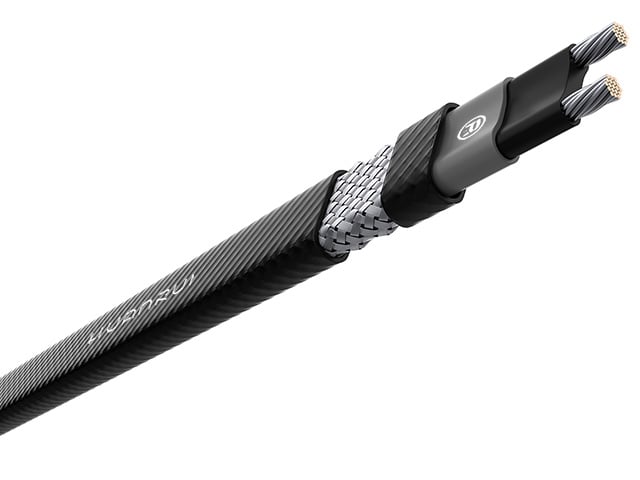
The self regulating heating cables work thanks to their special core made from carbon loaded polymers that react to temperature changes. When the temperature drops around a tank surface, these polymers actually shrink, which creates additional conductive paths through the material and boosts heat production right where it's needed most. We're talking about outputs reaching around 30 watts per meter according to Thermal Engineering Review from last year. Conversely, when things warm up again, the same material starts expanding, cutting down on conductivity and naturally lowering heat output without needing any outside intervention. What makes this system so effective is how it automatically maintains just the right amount of warmth while completely avoiding the risk of overheating. Polymer scientists have been studying these materials for years now, and their research continues to confirm what makes them such reliable components for temperature control applications.
Unlike constant wattage cables that deliver fixed power regardless of conditions, self-regulating systems adapt in real time to thermal demands. This responsiveness cuts energy waste by 18–34% in industrial applications while maintaining ±1.5°C temperature stability (2023 Process Heating Report). Key advantages include:
Energy audits of tank farms show a 27% annual reduction in energy costs when upgrading from legacy constant-wattage systems to self-regulating solutions [Thermal System Optimization].
Self-regulating heating cables maintain consistent performance across extreme environments due to their adaptive core. The polymer automatically adjusts power output by 6–8 W/m for every 10°C shift in ambient temperature (ASTM F2736-23), ensuring reliable freeze protection and energy efficiency in climates ranging from -40°C to 50°C.
Looking at field data across twelve different petrochemical plants shows something interesting about fluid temperatures. There's barely any variation at all really just around plus or minus 2 percent when ambient temperatures swing wildly throughout the day sometimes reaching differences of 35 degrees Celsius. On those days when the weather is nice and moderate, these systems actually cut down their power consumption anywhere between forty to sixty percent. That helps prevent the kind of overheating problems we typically see with regular constant wattage cables. Thermal imaging has confirmed what operators have noticed too the surfaces stay evenly heated no matter how quickly the weather outside starts changing. This stability speaks volumes about how well these systems respond to different phases of operation conditions.
An audit conducted in 2024 looked at 38 different chemical storage tanks and discovered something interesting about energy consumption. The tanks equipped with self regulating systems actually used around 23 percent less power each year compared to older traditional methods. These systems work smarter by adjusting their load based on actual temperature changes throughout the day. At night time, they cut down energy usage by about 31%, yet still manage to keep everything protected from freezing temperatures. Looking at how much energy gets saved, most of it happens right after dawn when regular systems tend to go into overdrive trying to compensate for all that cooling that happened overnight.
Vertically oriented, well-insulated tanks (Height/Diameter >2:1) achieve 97% thermal retention with engineered layouts, versus 89% in uninsulated horizontal units. Combining geometric optimization with self-regulating technology reduces annual energy costs by $18 per linear meter of cable.
Self regulating cables have become essential in oil and gas operations where they tackle flow problems that happen when fluids get too thick in cold weather. They also keep things running smoothly by maintaining consistent temperatures inside storage tanks. What really sets these cables apart is how they can change their power output automatically depending on what's going on around them. This feature works especially well in places like the Arctic where temperatures swing wildly between freezing at -40 degrees Celsius and relatively mild 15 degrees Celsius days. According to recent industry reports from Industrial Thermal Solutions in 2024, companies using these smart cables instead of traditional fixed wattage systems see energy savings of around 40%. That kind of efficiency matters a lot when operating pipelines in remote locations with limited access to power sources.
For mRNA vaccine storage, these cables maintain ±0.5°C stability—critical for preserving protein integrity and sterility. By eliminating hot spots, they outperform traditional heating methods. Over 85% of EU-certified pharmaceutical warehouses now use this technology, reporting 99.98% uptime in climate control systems during 2023 audits.
The project achieved full return on investment within 14 months through lower energy bills and reduced product spoilage. Proper insulation integration was key to amplifying system efficiency by 30% in cylindrical tanks [Thermal Insulation Best Practices].
Getting installation right starts with where we put those cables. Keep at least 10 to 15 centimeters between parallel lines so they don't create overlapping hot spots but still cover everything properly. When dealing with fluids that might freeze, it's best practice to run the cables along the bottom third part of the tank. Use clamps that won't rust away even when temperatures drop below freezing point down to -40 degrees Celsius or go up past boiling at 120 degrees. Don't forget about grounding either. The system needs to follow IEC 62305 guidelines strictly. Big tanks over 50 thousand liters require special attention too since their size affects how electricity flows through them. Check out the latest findings from the 2024 Tank Heating Safety Report available on acthermalprotection.com for detailed recommendations.
According to research published in 2023, around one quarter of all early system failures happen because people put insulation on heating cables incorrectly. Before adding any insulation material, it really matters to check whether the cable produces enough heat to compensate for what escapes from the tank walls. Many problems also come from bending cables too tightly - usually needs at least 25mm radius when making turns - plus lots of installations miss sealing those connection points properly using two layers of epoxy resin. Thermal imaging is actually quite helpful during initial setup stages. These scans can spot problems right away which saves money down the road, maybe cutting maintenance expenses by somewhere between 35 to 40 percent depending on circumstances.
According to recent research from the field of industrial thermal management in 2024, most systems maintain around 92 percent reliability even after running continuously for five years or longer. The newer polymer matrix materials stand up much better to wear and tear compared to traditional constant wattage setups. Those older systems tend to drop their output somewhere between 15 and 20 percent within just three years of operation. Looking at energy consumption, self regulating systems generally consume about 18 percent less power throughout their lifespan. This efficiency comes from better temperature regulation and reduced need for maintenance stops, making them increasingly popular among facility managers concerned about both costs and downtime.
Common failure modes include:
According to a study from 2023 on predictive maintenance, when infrared thermography gets paired with AI-based current analysis, it manages to catch problems before they become serious about 89% of the time. Companies that stick to regular checkups and replace parts before they fail completely see around a 40% drop in major breakdowns. What's even better is that systems monitored in real time tend to last anywhere between three to five extra years. The latest improvements in machine learning have made things even smarter now. These new models can actually warn operators about potential electrical issues up to 72 hours ahead of time for roughly 83% of cases. This gives maintenance teams plenty of lead time to plan their work around past performance trends and account for environmental factors that might affect equipment.
Anhui Huanrui Heating Manufacturing Co.,Ltd provides self-regulating and constant wattage heating cables for industrial and residential applications. Our certified solutions offer reliable freeze protection and temperature maintenance. Trusted by global clients. Contact us today.
Jingsan Road, Feidong Economic Development Zone, Hefei
Copyright © 2025 by Anhui Huanrui Heating Manufacturing Co.,Ltd Privacy Policy
 EN
EN