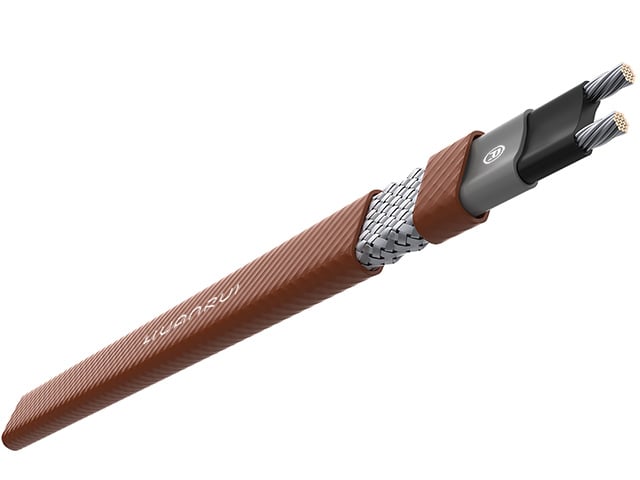
Imagine you have put heating tape in a basement, a waste treatment facility, or an outdoor industrial place. Everything looks good, but then the humidity creeps in, the ever-present, annoying dampness. This is where basic heating installations fail. Using trace heating tape in humid conditions is not just about making the tape work, but working safely and fail-proof for the long haul. These systems are designed for moisture; however, where you are is different than the other systems. Let's go over what matters the most when working with heating tape with constant moisture.
Humidity does more than just make the air feel wet. It also changes how electrical systems operate. When moisture is present long enough, it can get into places we don't want it to be. For trace heating tape, some dry-condition factors can heat moisture. The first thing to acknowledge is moisture can impact the heat changes surface. In dry, heat pools to a surface. When surfaces are damp, the heat pools. This can change the heating tape's ability to warm pipes or surfaces. Even more, worrisome is moisture. Constant moisture can wear materials out rapidly. Even parts that are 'water-resistant' may run into trouble when faced with constant saturation, as opposed to just wetness that is occasional. This doesn't mean heating tape can't work in moist, humid, or moist warm air. Quite the opposite. It just means choosing the right product and humidity needs to be considered during installation.
Heating tapes are not equally protective and supportive of humid conditions. When choosing heating tapes to use for humid environmental conditions, you must know certain factors that set tapes apart for use in humid locations. High-quality heating tapes specifically made for humid environments use protective materials such as fluoropolymers or specifically formulated thermoplastic compounds that are moisture resistant and will not absorb moisture. They are great at moisture repulsion. They even withstand layid moisture in the air. The quality of seals and connections on the heating tapes are also important to consider. All of the connection points are possible gaps for moisture, so factory-sealed connections are preferable. The heating element should also be self-regulating. Self-regulating heating tapes are better at dealing with condensation evaporating than their constant wattage alternative counterparts. They regulate their moisture discharge based on the environmental factors.
Heating tape is installed in humid environments, and what tape is installed, is just as important to consider when installing heating tape. There is a lot that can be done during the installation process to potentially lengthen the system's lifespan and reliability. Make the surface clean and make sure the pipe or surface is also dry before tape is applied. Even in the humid conditions, this first situation helps the adhesives bond properly and helps the tape get better contact with the surface. Make sure to use the proper materials when securing the tape. Stainless steel or plastic fasteners as opposed to standard options work better in humid areas, as they do not corrode. Connection points also require special attention, because these areas should be elevated or they should be put in places where water pooling is most unlikely. If you're putting thermal insulation over the tape for efficiency, be sure to use insulation without moisture in damp conditions. Over heating tape, some insulation materials can trap moisture and create long-term issues. With the proper insulation materials and vapor barriers, they can make a difference that is substantial to the system's performance and longevity.
Installing heating tape in a humid environment should not be considered a ‘set it and forget’ task. Regular spotting and addressing small issues helps prevent escalation into larger problems. Set a simple inspection routine for visually checking the tape and the connections for any signs of moisture harm, corrosion, or wear. If the location is especially humid, a more frequent inspection routine should be implemented. System performance also needs monitoring. If there is a change in the energy consumption by the system or if the pipes do not seem to be as warm as they should, it may be a sign that moisture is affecting the system. Also remember that electrical safety in humid settings is especially important, and ground fault protection is a key safety feature to confirm is present in heating tape systems. Many tapes do have this feature, but it is important to verify it and to check that it is functioning every so often. Finally, it is very important to keep installation and maintenance records. These records will come in handy for developing insights into what works for the humid environments that you encounter most frequently. Over time you will be able to use heating tape in a very effective and very safe way.
In hot or humid places, achieving desired results with heating tape depends on select choices, precise, maintenance, and attention. If products are meant for use under moisture conditions and installed under humidity, dedicated maintenance will provide peace of mind for years of reliable performance. Do it right, and trace heating tape survives the most moisture laden challenges, securing and insulating pipes and processes. The aim shouldn't just be about surviving the upcoming season, but creating a constructive system that works for the years to come, and for the humid seasons to come. the right way heating tape works to eliminate the humidity challenges.

Anhui Huanrui Heating Manufacturing Co.,Ltd provides self-regulating and constant wattage heating cables for industrial and residential applications. Our certified solutions offer reliable freeze protection and temperature maintenance. Trusted by global clients. Contact us today.
Jingsan Road, Feidong Economic Development Zone, Hefei
Copyright © 2025 by Anhui Huanrui Heating Manufacturing Co.,Ltd Privacy Policy
 EN
EN