 EN
EN

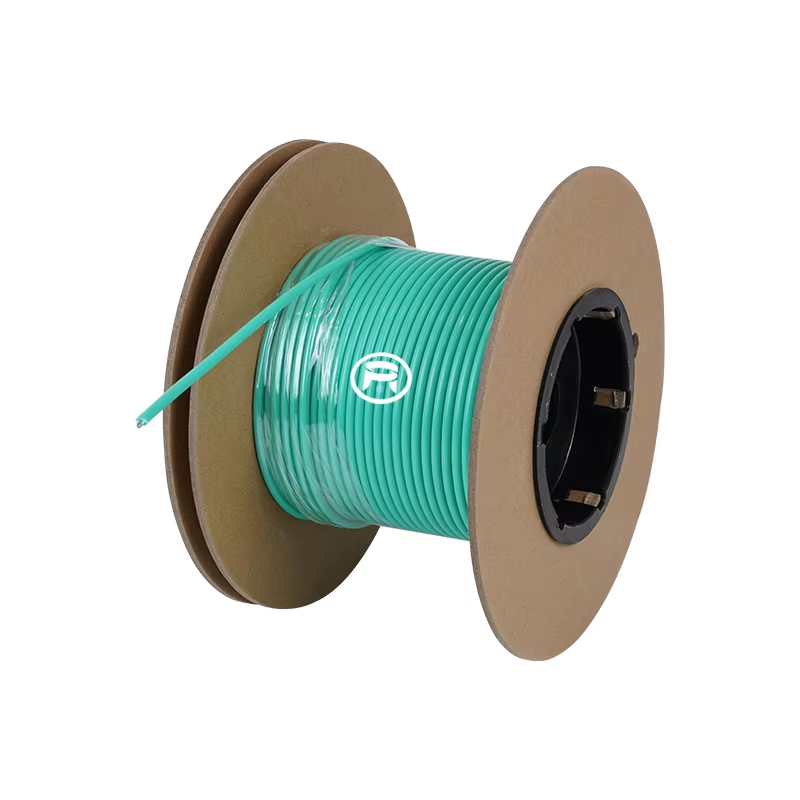
For residents of small apartments, every square meter counts. Traditional hydronic underfloor heating, while effective in terms of warmth, requires extensive piping, a boiler, and a manifold—not only taking up valuable space but also adding significant load to the floor structure. In contrast, electric underfloor heating systems using heating cables offer a smarter, more space-efficient solution. This technology, widely used in large-scale infrastructure projects, has been ingeniously adapted for residential use, bringing comfortable warmth to compact living spaces without compromising on room to move.
You might wonder: is technology designed for industrial projects really suitable for the home? The answer lies in the qualities that make heating cables indispensable in demanding environments like chemical plants, high-speed rail stations, and airports—stability under extreme conditions, precise temperature control, and decades of durability. These are exactly the qualities that matter most for home heating. When this accumulated expertise is applied to residential underfloor heating, what you get is not just warmth, but industrial-grade reliability and peace of mind.
This reliability has already been proven in numerous residential projects. At the Feidong Fengsheng Love Nursing Home heating project in Hefei, Anhui Huarui's intelligent electric underfloor heating system was fully installed. With individual thermostats in each room, elderly residents can adjust the temperature to their personal preference, making operation highly economical. Since project completion, user feedback has been positive. The system's fanfree operation reduces cardiovascular strain for seniors, while the dustfree indoor environment provides comfort for those with respiratory sensitivities. The principles demonstrated here—"roombyroom independent control" and "comfortable, healthy warmth"—are equally valuable for small apartment dwellers. Each room can be heated on demand, meeting the personalized needs of different household members while avoiding energy waste.
1. Zero Space Waste: Free Up Every Inch of Your Home
The most obvious advantage of electric underfloor heating is its slim profile.
Heating cables can be installed directly in a thin screed layer or even embedded within tile adhesive, completely eliminating the need for the thick concrete layer required to embed water pipes in a hydronic system. This also means no need to reserve space on the balcony for a boiler or build a cabinet to hide a manifold. All heating equipment remains invisible beneath the floor, leaving walls clean and the space feeling open and airy. For small apartments where ceiling height is often at a premium, those extra few centimeters can make all the difference between a space that feels cramped and one that feels expansive.
At the Xiaolingnan Homestay intelligent electric underfloor heating project, the heating cables were buried beneath the floor, with floorboards or tiles laid directly on top. This approach took up no ceiling height or usable space at all, leaving the homestay's overall design and aesthetics completely unaffected. Similarly, at the Shankouling Homestay project, Huarui's heating cables were installed invisibly, preserving the homestay's design appeal while providing guests with comforting warmth rising from their feet. This "invisible" heating method is especially valuable for small apartments—no exposed radiators, no floorstanding boiler—every square meter is reclaimed for living.
2. Zoned Independent Control: Warmth Only Where and When You Need It
Even though a small apartment may not be large, its functional areas are clearly defined: the bedroom for rest, the living room for relaxation, the bathroom for warmth.
Another major advantage of electric underfloor heating is its ability to deliver genuine zoned independent control. It heats up quickly, unlike hydronic systems that need to warm a large volume of water before they become effective. In the morning, you can warm just the bathroom floor, letting your feet step onto cozy tiles; during the day, while you're in the living room, the bedroom can stay cool or be turned off entirely. Paired with smart thermostats, each room's temperature can be set exactly as needed. This "ondemand heating" model is far more energyefficient than heating the entire apartment uniformly, and it fits seamlessly into modern lifestyles.
At the Feidong Fengsheng Love Nursing Home project, the electric underfloor heating system uses time and zonebased control, with individual thermostats in every room allowing users to start or stop heating as they wish, resulting in highly economical operation. This same system works perfectly in a small apartment—turn off all rooms while you're at work during the day, remotely switch on the living room before you head home, and activate the bedroom half an hour before bedtime. Warmth follows your schedule. The Huarui TMAT heating mat system also features roombyroom independent control, allowing different temperatures in different spaces with simple, convenient operation.
3. Adaptable to Complex Layouts: Heat Wherever You Want It
Many small apartments have irregular floor plans—loadbearing columns, alcoves, corners, and odd angles. The flexible, bendable nature of electric heating cables makes it easy to handle these complex layouts. Whether the space is irregular or you need to work around builtin furniture, the cables can be laid out flexibly to ensure even heat distribution across every corner. By contrast, hydronic piping is constrained by bend radii and joint locations, making it far less adaptable to awkward spaces.
At the Cultural Tourism Space Capsule project, Anhui Huarui provided an electric underfloor heating system designed specifically for these compact, minimalist living spaces. The ultrathin modular design is installed invisibly, taking up no interior space at all while preserving the capsule's sleek, airy aesthetic. The heating cables warm up quickly, and radiant floor heating distributes warmth evenly and gently, allowing the small space to enjoy quiet, comfortable heat. This experience of adapting to extremely tight spaces offers valuable lessons for heating design in small apartments.
4. Simple Installation, Virtually MaintenanceFree: HassleFree and CostEffective
For apartment dwellers, the last thing anyone wants is a complicated heating installation.
Electric underfloor heating is relatively simple to install, with a short construction period, making it especially suitable for small apartment renovations or localised installation. More importantly, it has no boiler, no pump, no valves—no moving parts at all. That means no risk of water leaks and no ongoing maintenance headaches. At the Shankouling Homestay project, the electric underfloor heating requires no maintenance after installation and has a lifespan matching that of the building itself—an ideal "set it and forget it" solution. The same peace of mind carries over to your home: once installed properly, the system can work quietly for decades, asking nothing of you.
Looking at the long term, both initial installation costs and ongoing maintenance make electric underfloor heating a worryfree choice. The heating cable core consists of cold and hot sections, encased in insulation, earthing, shielding, and an outer sheath, operating stably at temperatures between 4060°C. Most of the heat is delivered to the room via radiation, achieving high thermal conversion efficiency. This mature, reliable technology is why more and more homeowners are choosing electric underfloor heating when they renovate.
Final Thoughts
For small apartment dwellers, electric underfloor heating is more than just a way to stay warm—it's a design approach that optimises space and enhances quality of life. It hides warmth beneath the floor and gives space back to living. The same heating technology that has proven itself in nursing homes, homestays, and cultural tourism space capsules is now finding its way into ordinary homes, lighter and smarter than ever. No major renovations, no sacrificed space—just a solid, even, perfectly judged warmth that greets you from the floor up the moment you walk through the door.