 EN
EN
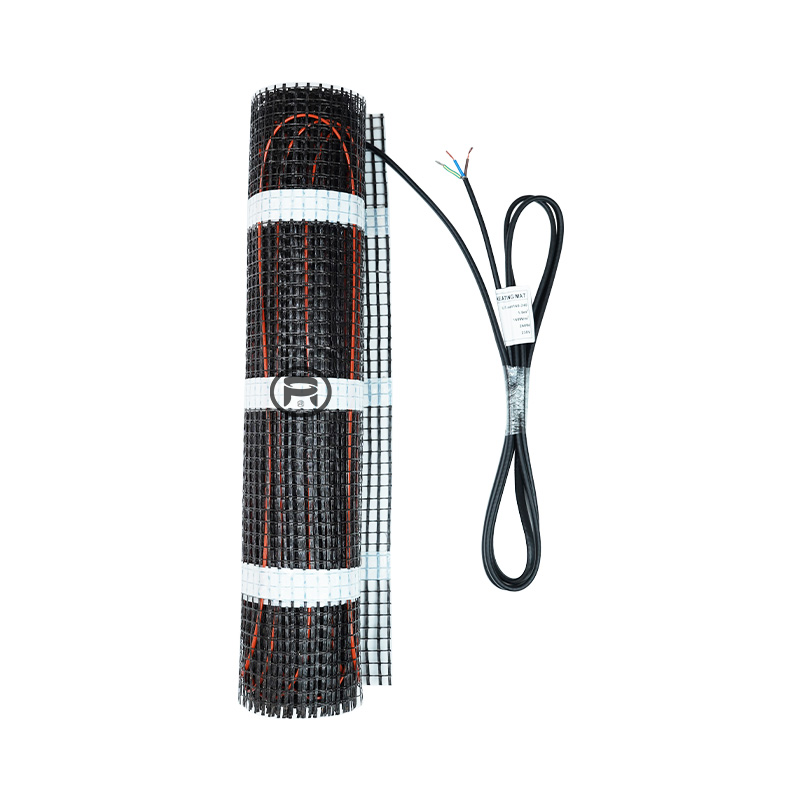
Pipe temperature maintenance is a critical task in various industries, from oil and gas to manufacturing and residential water supply. In cold environments or for processes requiring stable temperatures, heat tracing has become a reliable solution to prevent freezing, ensure fluid flow, and maintain operational efficiency. However, using heat tracing effectively requires mastering specific techniques that align with pipe conditions, environmental factors, and product capabilities. Below are key techniques to achieve optimal pipe temperature maintenance with heat tracing systems.
Selecting the Right Heat Tracing Cable Type
The foundation of effective pipe temperature maintenance lies in choosing the appropriate heat tracing cable. Different cable types are designed for specific temperature ranges, pipe sizes, and application needs, so matching the cable to the scenario is essential.
Self-regulating heating cables are a popular choice for most pipe maintenance tasks, especially in environments with fluctuating temperatures. These cables adjust their heat output automatically based on ambient conditions—when the pipe temperature drops, the cable’s resistance decreases to produce more heat, and when temperatures rise, resistance increases to reduce energy consumption. This self-adjusting feature eliminates the need for additional thermostats in many cases and prevents overheating, even if the cable is overlapped. For example, high-quality self-regulating cables use advanced PTC matrix materials that maintain stable operating temperatures (often up to 200°C) and offer excellent thermal stability. They also feature low starting currents, thanks to double-layer co-extrusion technology, which enhances energy efficiency and product lifespan.
Constant wattage heating cables, on the other hand, are ideal for pipes requiring consistent heat output regardless of ambient temperature. They work well for industrial pipelines carrying viscous fluids or processes that demand precise temperature control. These cables are available in parallel or series resistance designs, suitable for different pipe lengths and heat loss requirements. When selecting, consider the pipe’s heat loss rate, maximum maintenance temperature, and installation environment—for corrosive areas, cables with fluoropolymer outer jackets provide extra protection, while thermoplastic jackets are sufficient for general industrial or residential use.
Proper Installation Practices for Optimal Performance
Even the best heat tracing cables won’t deliver results if installed incorrectly. Proper installation techniques ensure uniform heat distribution, prevent cable damage, and maximize system reliability.
First, ensure the pipe surface is clean and dry before installation. Dirt, grease, or moisture can create gaps between the cable and the pipe, reducing heat transfer efficiency and potentially leading to hot spots. The cable should be installed in direct contact with the pipe—for large-diameter pipes, spiral wrapping is recommended to ensure even coverage, while straight runs work well for smaller pipes. It’s important to avoid excessive tension during installation, as this can damage the cable’s insulation or core.
Insulation is a crucial complement to heat tracing. After installing the cable, wrap the pipe with high-quality insulation material to minimize heat loss. The insulation should be compatible with the cable’s operating temperature and resistant to moisture, as damp insulation reduces effectiveness and may cause corrosion. Additionally, seal the insulation joints properly to prevent cold air infiltration.
Consider the installation environment’s unique challenges. In extremely cold regions (temperatures as low as -60°C), use cables rated for low installation temperatures to avoid brittleness or performance issues. For outdoor or exposed pipes, protect the cable and insulation from physical damage, UV radiation, and harsh weather. If the pipe is in a hazardous area (e.g., with flammable gases or corrosive substances), select cables with appropriate certifications like ATEX, IECEx, or EAC Ex to ensure safety compliance.
System Optimization for Energy Efficiency and Longevity
Heat tracing systems can be optimized to reduce energy consumption while extending the cable’s lifespan, providing long-term value and reliability.
Self-regulating heating cables inherently offer energy efficiency due to their automatic heat adjustment, but additional optimizations can be made. For example, avoiding unnecessary cable overlaps (even though self-regulating cables are safe to overlap) reduces energy waste. Using the correct cable power output for the pipe’s heat loss—neither too high nor too low—ensures efficient temperature maintenance without overconsuming energy. Leading brands offer cables with varying power outputs (e.g., 15W/M、30W/M、45W/M、60W/M
) to match different heat loss requirements.
Regular maintenance is key to extending the system’s lifespan. Periodically inspect the cable for signs of damage, such as cracks in the insulation, fraying, or corrosion of the braid. Check the insulation for moisture or degradation and replace it if necessary. For industrial systems, consider conducting thermal audits to identify areas of inefficiency and adjust the heat tracing setup accordingly.
Another optimization technique is leveraging the cable’s design features. For example, cables with tinned copper braids provide mechanical protection and grounding, reducing the risk of electrical hazards and extending service life. Cables with flame-retardant or chemical-resistant outer jackets are better suited for harsh environments, minimizing wear and tear from exposure to chemicals, abrasion, or impact.
Matching Techniques to Specific Application Scenarios
Pipe temperature maintenance needs vary across industries and environments, so tailoring heat tracing techniques to specific scenarios ensures optimal results.
In industrial settings, such as oil refineries, chemical plants, or natural gas pipelines, pipes often carry high-viscosity fluids or operate at elevated temperatures. For these applications, use high-temperature heat tracing cables (capable of maintaining temperatures up to 150°C or higher) and ensure the system is certified for industrial use. Constant wattage cables may be preferred for processes requiring precise temperature control, while self-regulating cables are ideal for freeze protection in storage tanks and valves.
For residential or commercial water supply pipelines, the primary goal is to prevent freezing and maintain hot water temperatures. Self-regulating heating cables with waterproof insulation are suitable for these applications, as they can be installed on both indoor and outdoor pipes. The system should be energy-efficient to avoid high utility costs, and the cables should be easy to install in tight spaces, such as under sinks or in crawl spaces.
In cold northern regions where temperatures regularly drop below -20°C, pipe freezing is a major risk. For these scenarios, use cables with low minimum installation temperatures and high heat output to provide sufficient thermal compensation. Combining heat tracing with thick insulation and weatherproofing further enhances freeze protection, preventing pipe ruptures and water damage.
For corrosive environments, such as coastal areas or chemical processing plants, select cables with fluoropolymer outer jackets that resist corrosion from saltwater, chemicals, or vapor. Ensure the cables meet relevant safety certifications to operate safely in these hazardous conditions.
In conclusion, effective pipe temperature maintenance using heat tracing requires careful selection of cable types, proper installation practices, system optimization, and alignment with specific application needs. By mastering these techniques, businesses and homeowners can prevent pipe damage, ensure consistent operation, and achieve energy-efficient temperature control. Whether for industrial processes, residential water supply, or harsh environmental conditions, heat tracing offers a reliable solution when implemented with the right techniques.