 EN
EN

What Defines Real‑world Durability for Embedded Electric Floor Heating System
Electric floor heating systems stay permanently embedded inside floor screed layers for decades once installed. Within this concealed environment, heating components face continuous combined stress: repeated thermal cycling from daily temperature shifts, chemical alkaline corrosion from cement‑based screed, and static mechanical compression from floor loads. Across global building‑specification workflows, many product brochures list theoretical service‑life figures without fully reflecting real‑world underground operating conditions.
Robust long‑term performance cannot rely solely on the core heating component’s datasheet parameters. It represents comprehensive outcomes delivered by coordinated material formulation, structural design, third‑party validation and standardized installation practice. Project specifiers and building owners need to evaluate the complete system rather than isolated component indicators when assessing whether an electric floor heating system can maintain stable performance over multi‑decade operation cycles.
Material & Structural Design That Underpin Long‑term Operational Life
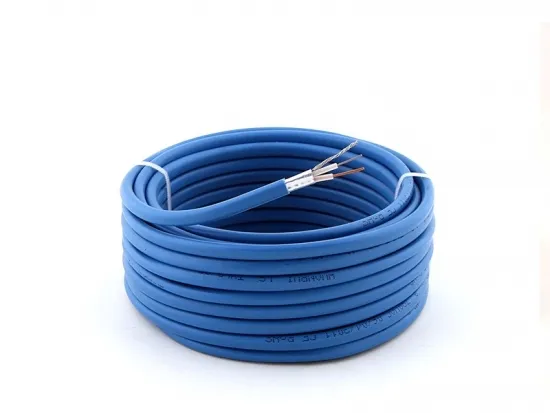
High‑durability electric floor heating assemblies adopt multi‑layer insulation and shielding architecture to cope with harsh screed‑embedded conditions. Modified alkali‑resistant polymer insulation forms the primary defensive barrier against cement‑based chemical erosion, while reinforced outer protective layers improve resistance against mechanical compression during concrete pouring and long‑term floor loading. Integrated cold‑tail joint construction eliminates weak sealing points created by on‑site manual splicing, which serves to block moisture ingress that would gradually degrade internal electrical properties.
Continuous metallic shielding layers maintain stable grounding performance throughout decades of thermal expansion and contraction cycles. Well‑optimized structural layouts avoid sharp bending stress concentration points, reducing potential fatigue damage under recurring temperature fluctuation. Every material layer is required to keep stable dielectric performance after countless heating‑cooling loops, preventing insulation degradation which would trigger hidden safety risks in buried floor‑heating installations.
International Standards and Third‑party Verification for Durability Performance
Recognized international standards set clear test benchmarks to evaluate long‑term reliability for embedded electric floor heating hardware, including IEC 60800, IEC 62999 and EN 60335‑2‑96. These specifications cover mandatory lab assessments such as thermal‑ageing cycles, repeated bending tests, alkaline‑environment resistance and long‑duration voltage‑withstand evaluation. Such testing simulates decades‑long screed‑buried working conditions within compressed laboratory cycles.
Marketing statements claiming “long service life” do not substitute formal third‑party type‑test reports. Valid certification credentials such as CE and EAC must cover the full electric floor‑heating assembly instead of heating‑only individual parts. Procurement specialists should review official test‑report scope before final vendor selection, confirming whether durability assessment results match actual building application scenarios for residential or commercial construction projects.
System‑level Factors That Preserve Multi‑decade Service Performance
Even well‑engineered floor‑heating hardware cannot reach its full design lifespan without proper system coordination and site execution. Strict installation protocols prevent sharp deformation, insulation scratching and improper joint exposure during screed pouring. Compatible thermostat modules deliver reasonable temperature‑range control and avoid abnormal over‑cycling which accelerates material ageing. It is worth distinguishing service‑life differences: embedded heating assemblies are designed for extended service cycles, while externally‑mounted control thermostats count as replaceable wearable components.
Transparent procurement workflows should include reviewing full installation manuals, component inventories and documented test datasets. Making clear distinctions between permanent embedded hardware and replaceable control accessories helps building operators establish reasonable long‑term maintenance expectations, lowering overall life‑cycle costs for residential and commercial building assets.
Manufacturing Capabilities for Long‑life Electric Floor Heating Solutions
Sourcing durable electric floor‑heating products for global building projects requires manufacturers integrating R&D, simulation testing and large‑scale standardized production. Founded in 2007, Anhui Huanrui Heating Manufacturing Co., Ltd. maintains a 50 000‑square‑meter production campus supported by an in‑house CNAS‑accredited testing laboratory. Its product portfolio includes complete electric floor‑heating elements and pre‑fabricated heating mats, holding comprehensive international credentials such as CE and EAC.
Supported by mature material‑modification technology, the brand supplies both standard‑specification floor‑heating hardware and flexible OEM and ODM customised packages. Matching installation accessories are also available to complete whole‑system deliveries. For global B2B purchasers undertaking residential and commercial building heating projects, partnering with manufacturers with full‑chain testing and manufacturing capacity simplifies cross‑border procurement and supports consistent long‑term floor‑heating system reliability.
Table of Contents
- What Defines Real‑world Durability for Embedded Electric Floor Heating System
- Material & Structural Design That Underpin Long‑term Operational Life
- International Standards and Third‑party Verification for Durability Performance
- System‑level Factors That Preserve Multi‑decade Service Performance
- Manufacturing Capabilities for Long‑life Electric Floor Heating Solutions