
Home > News > Company News
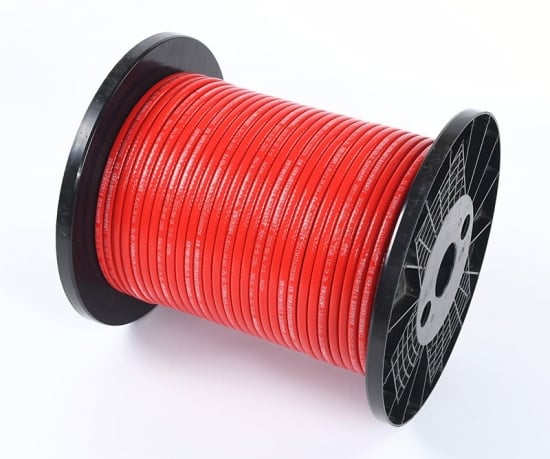
Constant wattage heating cables work by using parallel resistive elements wrapped in tough insulation that keeps heat output steady along each section of cable. Series circuits are different because as electricity travels through them, there's a voltage drop that makes heating inconsistent further down the line. With parallel designs though, wattage stays pretty much the same no matter how long the cable actually is. A recent industry report from last year showed these systems can maintain about 2% temperature variation even on 200 meter installations if they have good quality insulation. That kind of consistency matters a lot for jobs where exact temperatures are critical throughout large spaces.
Self regulating cables adjust their output depending on how warm it gets around them, whereas constant wattage systems just keep putting out the same amount of heat all the time. This predictability matters a lot when working with things that need really tight temperature control. Take those big reactors used in making medicines for instance. They need to stay within about plus or minus 1 degree Celsius at all times. That's why many manufacturers opt for constant wattage tech instead of those polymer based self regulators which can vary their output anywhere between 10 to maybe even 15 percent. According to what various industry standards say, sticking with consistent heating cuts down on wasted energy during normal operation periods by roughly 22%. And that means better efficiency overall plus fewer problems with the actual manufacturing process itself.
Constant wattage cables typically operate within power density ranges from about 8 to 40 watts per meter. These cables contain copper alloy heating elements that are built to handle insulation resistance up to 600 volts. What makes these cables stand out is their stable electrical load which works well with regular GFCI protection systems. They also create very minimal interference in the electrical system, producing under half a percent harmonic distortion. That's actually quite impressive when compared to other options that fluctuate more. According to tests done under the latest NEC 2023 standards, when installed correctly these circuits can run reliably for around 99.4 percent of the time during 10,000 operating hours. For anyone needing reliable freeze protection in pipeline systems, this kind of performance record makes constant wattage cables a go to choice in many industrial settings.
When transporting oil and gas through pipelines, keeping things warm is crucial to stop problems like paraffin wax building up in crude oil and hydrates forming in natural gas. Constant wattage heating systems maintain just the right temperature throughout the pipeline, typically running around 14 to 18 watts per foot according to some recent research from Ponemon back in 2023. This approach gets rid of those pesky hot spots and wasted energy that old school localized heating methods used to create. Looking at actual field data from a thermal management study released last year, operators saw something pretty impressive happen when they switched to these modern heating systems. Pipelines equipped with constant wattage technology experienced about a 63 percent drop in flow issues caused by thickened fluids compared to what was happening with their older, intermittent heating setups. That kind of improvement makes all the difference in day to day operations.
An Alaskan pipeline stretching over 1,200 miles kept running almost non-stop at 99.7% uptime even when temperatures dropped to bone-chilling -40 degrees Celsius, all because of constant wattage heating technology. The engineering team installed these parallel circuits roughly every 240 feet along the route, which helped keep the crude oil flowing at just the right temperature between 38 and 42 degrees Celsius. This temperature range is crucial since it stops wax from building up inside the pipes. After putting this system into operation, they found out it used 27% less energy compared to traditional self-regulating methods. Why? Because there was much less switching on and off of power, plus better heat distribution throughout the entire pipeline network.
Today's systems often combine mineral wool insulation rated at least R-8 with multiple zone RTD sensors to establish closed loop temperature control. These setups keep temperatures pretty close to their targets, typically within plus or minus 1.5 degrees Celsius. When these components work together, they cut down on wasted heat during idle periods by around 41 percent compared to just using standard heating alone. Practical testing has demonstrated something interesting too. When good quality insulation meets constant wattage cables, surface temps drop down to about 65 degrees Celsius. That meets the safety standards for Class I Division 2 locations while still delivering solid performance. No need to compromise on effectiveness when working in potentially hazardous environments anymore.
The constant wattage heating cables provide really stable temperatures something that matters a lot in chemical reactions and making medicines since even small changes of plus or minus 0.5 degrees Celsius can mess up the final product quality. These cables help maintain proper heat levels inside those tricky exothermic reactors and distillation setups. Plus they stop crystals from forming in about 9 out of 10 pharmaceutical storage tanks according to some process engineering reports from last year. When it comes to biological manufacturing environments, especially those cleanrooms where water for injection runs through pipes, keeping temperature variations below 0.1 degree per meter is essential to stop microbes from growing. Some recent research indicates that good quality constant wattage systems cut down on temperature spikes in vaccine production lines by nearly four fifths when compared with older techniques.
The energy consumption for these systems sits about 12 to 15 percent above what we see in self regulating options. But there's something to be said for knowing exactly what your power bill will look like month after month. Labs working with expensive biological materials have actually seen their processing times jump by around 23% simply because they no longer waste time waiting for temperatures to stabilize. What makes this possible? The advanced controls built into modern systems let operators tweak parameters on the fly as reactions progress through different stages. And best of all, these adjustments happen without breaking a sweat regarding those strict ISO 14644 requirements for cleanrooms that so many pharmaceutical operations must follow.
Cables that maintain a steady wattage provide dependable heating that's really important for protecting business buildings and facilities. When it comes to HVAC systems, these cables stop ice from forming on those rooftop air handlers and condenser lines. We're talking about airflow restrictions that can get as bad as 40% when temperatures drop below freezing according to a study from Ponemon back in 2023. From a fire safety standpoint, connecting them to dry-pipe sprinkler systems means no more worries about frozen water left behind after use something that regular variable output systems just cant handle properly. The numbers speak for themselves too. A recent infrastructure report from 2024 showed these constant wattage systems cut down on winter related problems with sprinklers by an impressive 92% over old fashioned heat tape solutions.
Keeping data centers cool is all about getting the temperature just right so they can maintain that sweet spot between 45 and 55 percent relative humidity in those humidification lines. Without proper control, we risk condensation forming inside those chilled water pipes which nobody wants. Constant wattage cables actually handle both these problems at once because they spread heat evenly throughout the system. This makes them better than those zoned heating systems or ones that turn on and off intermittently, especially when dealing with complicated setups. What really matters though is their consistent performance. The moment there's even a single degree shift from what's needed, some facilities will automatically shut down as a safety measure. That kind of reliability keeps operations running smoothly day after day.
Facilities like hospitals, universities, and major transportation centers tend to go with constant wattage systems because they just work better over time and need almost no maintenance. Self regulating cables have this problem where they start to break down when things get hot, but constant wattage versions keep performing reliably even when temperatures swing around. This matters a lot for critical applications such as emergency water supply lines or fuel transfers at airports. Another big plus is the modular circuit design that lets technicians find problems quickly without shutting everything down. Some tests done on these systems showed about 99.98% uptime across 150 different commercial locations according to third party reports, though actual results can vary depending on installation quality and environmental factors.
Getting system design right starts with figuring out how much heat will be lost during operation. When looking at pipelines, engineers check things like pipe size, whether they're dealing with liquid or gas, what kind of temperatures the system might face, and how well different insulating materials work together according to standard thermal engineering rules. Take for example a 30 centimeter crude oil line operating in really cold conditions around minus 40 degrees Celsius. These usually need about 40 watts per meter worth of heating power. Compare that to regular water lines in milder climates which often get by with just around 15 watts per meter. Nowadays there are computer programs available that make all these calculations easier through various modeling techniques, saving time and reducing errors in the process.
This data-driven approach ensures optimal wattage selection and circuit layout.
The amount of heat needed for a system depends heavily on both environmental conditions and the materials used throughout the installation. For instance, stainless steel piping installed along coastlines typically needs about 18 percent extra heating energy compared to standard PVC tubing because stainless conducts heat much better. What kind of insulation gets wrapped around these pipes matters too. Closed cell foam insulation cuts down on necessary heating power by roughly 35% when compared against traditional fiberglass wrapping options. When designing systems that will last through harsh winters or scorching summers, smart engineers always plan for the worst possible temperatures instead of just going by average seasonal readings. This approach becomes especially critical in places where weather extremes are common occurrences rather than rare events.
When dealing with complicated systems that have lots of different branches, parallel circuits tend to be the way to go. They let each section operate independently, so when there's maintenance work going on somewhere, it doesn't shut everything else down. For straightforward installations running about 300 meters or less, series setups actually perform pretty well too, as long as we keep an eye on voltage drops staying under that 10% threshold. Take this pharmaceutical facility renovated last year as an example. The engineers mixed things up by putting parallel circuits in those super sensitive cleanrooms where even a tiny fluctuation matters, while sticking with series connections in the utility areas between buildings. This approach gave them good results without breaking the bank.
Contrary to common practice, oversizing heating cables by 20–30% "for safety" increases annual energy costs by $7,500 per kilometer (2024 industrial analysis). Modern constant wattage systems achieve thermal accuracy within 5% through:
This precision-driven methodology cuts lifetime energy consumption by 22% compared to traditionally oversized installations, proving that engineered accuracy outperforms conservative overdesign.
Constant wattage heating cables are specialized cables used to provide uniform and consistent heat output across their length, essential in industrial and commercial applications.
Self-regulating cables adjust their heat output based on surrounding environmental changes, while constant wattage cables maintain a steady heat output.
They provide reliable freeze protection, maintain consistent temperatures, and improve energy efficiency compared to intermittent heating methods.
Yes, they are effective in maintaining temperatures in extremely cold conditions, such as those found in Arctic environments.

Anhui Huanrui Heating Manufacturing Co.,Ltd provides self-regulating and constant wattage heating cables for industrial and residential applications. Our certified solutions offer reliable freeze protection and temperature maintenance. Trusted by global clients. Contact us today.
Jingsan Road, Feidong Economic Development Zone, Hefei
Copyright © 2025 by Anhui Huanrui Heating Manufacturing Co.,Ltd Privacy Policy
 EN
EN