 EN
EN

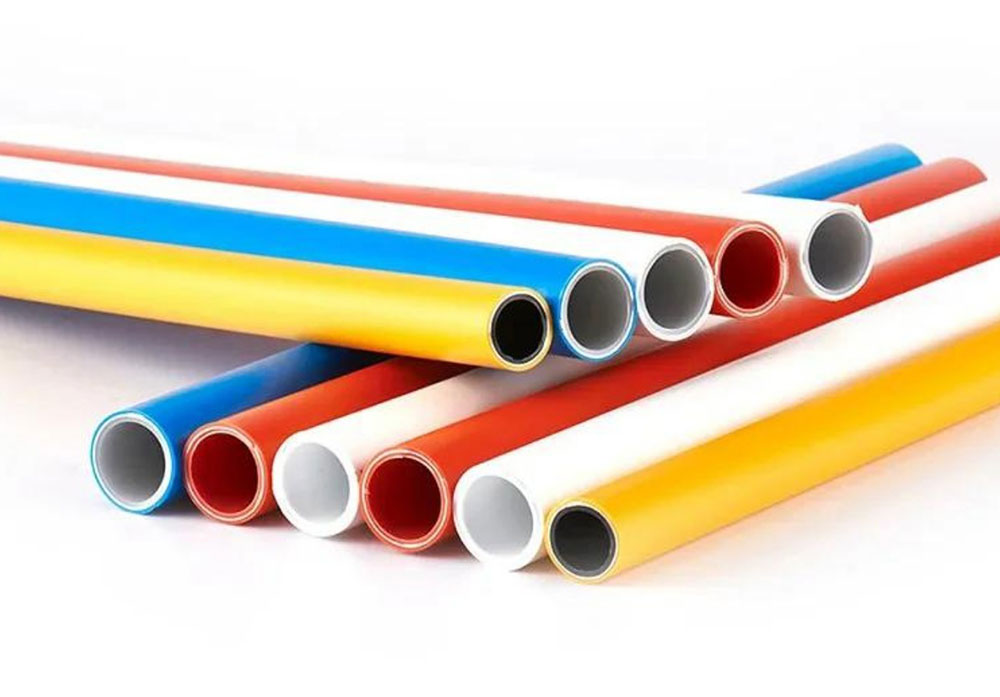
PEX (cross-linked polyethylene) tubing gains wide adoption in residential cabins, mobile homes and renovation projects for its flexibility, corrosion resistance and easy installation. Exposed PEX water lines risk bursting under freezing temperatures. A frequent question raised by contractors and property owners is: can heat tape safely be installed on PEX pipe for freeze protection?
The short answer is yes, but not all heating cables are suitable for PEX. As a polymeric plastic pipe, PEX has defined maximum temperature limits and much lower thermal conductivity compared with copper or steel piping. Improper cable selection or poor installation may create localized hot-spots, leading to accelerated aging or permanent pipe deformation. Safe application depends on cable compatibility, installation workmanship and original pipe technical specifications.
1. Compatibility of different heating-cable types with PEX pipe
Self-regulating heating cable
Self-regulating heating cables feature a PTC polymer matrix which automatically reduces power output when local pipe temperature rises. This local adaptive property greatly mitigates overheating risk, making it the preferred solution for PEX pipe freeze-protection.
Critical note: Only select self-regulating models explicitly rated for plastic / PEX piping in manufacturer documentation. Not every self-regulating cable fits plastic tubing. Always verify maximum sustained operating temperature shall not exceed PEX pipe temperature rating.
Important reminder: Self-regulating does NOT mean automatic shut-off. Minor residual power draw remains while energized. A separate thermostat is still recommended for better safety and energy savings.
Constant-wattage heating cable
Constant-wattage heating cables deliver fixed heat output regardless of pipe-surface temperature. Standard general-purpose constant-wattage cables are not recommended for direct use on PEX pipe. Poor local heat dissipation may build persistent hot-spots and accelerate plastic pipe degradation.
Constant-wattage products may be used on PEX only if officially validated for plastic-pipe service in product manuals, and equipped with dedicated temperature monitoring plus over-temperature protection. Never deploy ordinary constant-wattage heat tape onto PEX without formal compatibility confirmation.
|
Comparison Item |
Self-regulating cable (PEX-approved) |
General-purpose constant-wattage cable |
|
Power output |
Adjusts locally with pipe temperature |
Fixed power output once energized |
|
PEX suitability |
Preferred option (must be PEX-compatible) |
Not recommended; limited use only with special certification |
|
Over-heating risk |
Low, inherent local power reduction |
High; hot-spots may form with poor heat dissipation |
|
Overlap installation |
Permitted only per manufacturer instructions |
Overlap strictly forbidden |
|
Required accessories |
Thermostat recommended |
Mandatory thermostat plus over-temperature protection |
2. Core risks of applying heat tape to PEX pipe
Low thermal conductivity: Unlike metal pipes, PEX distributes heat poorly. Concentrated heat may create small local hot-spots and accelerate material ageing.
Pipe temperature limits: PEX tubing has definitive temperature thresholds. Operating temperature of the whole heat-trace system shall never exceed the pipe manufacturer’s rated maximum value.
Installation-amplified hazards: Gaps between cable and pipe, over-compressed insulation or unauthorized overlapping may trap excessive heat.
Self-regulation is not a full safety substitute: Even qualified self-regulating cables still require correct installation and periodic inspection.
3. Key selection criteria for PEX-pipe heat tracing
Verify product compatibility: Confirm product documentation explicitly states suitability for PEX / non-metallic plastic piping. Cross-check original PEX pipe temperature and pressure specifications.
Appropriate wattage rating: Size cable wattage according to calculated pipe heat loss. Avoid over-specifying high-power grades; only meet freeze-protection requirements.
Full-system safety certification: Prioritize heating cables with complete system-level certification, rather than certification limited only to power plugs.
Temperature-control strategy: Thermostat installation is highly advised for all systems. Mount temperature sensor directly on pipe surface, not on the heating-cable itself.
4. Safe installation best practices for PEX heat tape
Pipe pre-check: Do not install heat tape over cracked, leaking, crushed or deformed PEX pipe. Only work on intact tubing.
Improve heat distribution with aluminum-foil tape: Due to low thermal conductivity of PEX, wrap pipe with approved aluminum-foil tape before applying heat cable. This spreads heat evenly around pipe circumference and reduces localized hot-spots.
Cable fastening: Secure cable with aluminum-foil tape or fiberglass tape as specified in manuals. Do NOT use cable zip ties, metal staples, nails or sharp fasteners which can damage cable outer jacket.
Routing method: Run cable straight alongside pipe; spiral wrapping is acceptable where required. Overlap is strictly prohibited for constant-wattage cables. Self-regulating cables may overlap only if permitted in official installation instructions.
Insulation work: Install pipe insulation after heating cable is fully positioned. Do not compress insulation against cable, and strictly follow manufacturer insulation thickness guidance.
Electrical safety: GFCI ground-fault protection is mandatory for outdoor and damp-location applications. Weather-proof enclosure shall cover outdoor plug-and-socket connections.
End termination: For cut-to-length self-regulating cables, always seal cut heating-core ends with matching waterproof end caps. Never leave conductors exposed.
Post-installation test: Power-on commissioning after mounting, verify heating performance and check for abnormal over-temperature.
5. Common mistakes to avoid
- Deploying heating cables without confirmed PEX-compatibility;
- Installing heat tape on damaged or leaking PEX tubing;
- Using uncertified constant-wattage cables directly on PEX pipe;
- Fastening cables with metal staples, nails or sharp zip-ties that risk jacket damage;
- Skipping aluminum-foil equalization and creating concentrated heat points;
- Excessively thick insulation leading to trapped heat build-up;
- Relying solely on self-regulating property, omitting thermostat and regular system inspection.
6. Suitable & non-suitable applications
Suitable scenarios
- Exposed PEX water lines inside un-conditioned spaces: crawl-spaces, basements, garages, cabins, mobile-home plumbing for freeze-protection purpose only.
- Short exposed outdoor PEX water runs for freeze-protection (not for media temperature elevation).
Unsuitable scenarios
- Continuous submersion under water;
- Intended to heat-up internal fluid beyond original pipe design limits;
- Drainage or sewage pipelines;
- Enclosed wall cavities without heat dissipation and without professional application assessment.
Conclusion
Heat tape can deliver reliable freeze-protection for PEX plumbing, yet installation rules differ significantly from metal pipes. Select self-regulating heating cables officially rated for PEX plastic piping. Standard constant-wattage cables without special certification are not advised for PEX applications. Achieve safe operation through proper wattage sizing, aluminum-foil assisted heat distribution, qualified insulation, GFCI electrical protection plus thermostat control, alongside periodic routine inspection.