 EN
EN

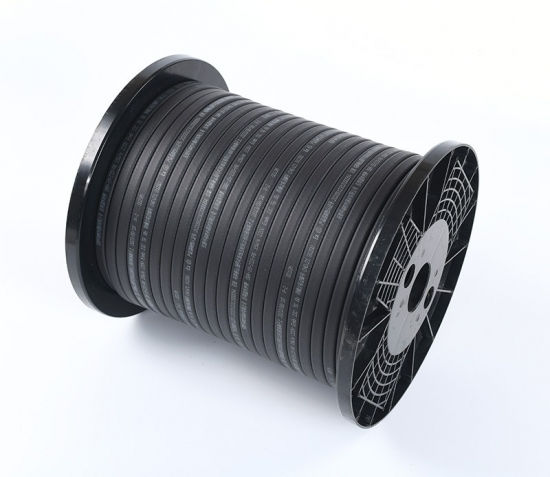
Why Outdoor Pipe Freeze Protection Heating Cables Are So Tough (And Why It Matters)
Imagine it’s the middle of winter. The temperature drops to -20°C. You turn on the faucet — nothing comes out. Your water pipe is frozen. Now imagine that same thing happening in a chemical plant, or in a highway tunnel’s fire safety system. Frozen pipes don’t just cause inconvenience; they can cause disasters.
That’s where pipe freeze protection heating cables come in. They wrap around or run alongside pipes, keeping them warm enough to prevent freezing. But here’s the thing: these heating cables operate outdoors, exposed to snow, ice, wind, salt, and sometimes even corrosive chemicals. They have to work reliably for years, often in places where no one can easily fix them.
So, what makes them so durable? Let’s break it down in plain language.
1. Extreme Cold & High Altitude: The Toughest Test
Think about a mountain tunnel high up in the Himalayas or the Rockies. The air is thin, the temperature is far below freezing, and ordinary heating cables become brittle and crack. But freeze protection heating cables have to keep working — no excuses.
Real example: The Altun Mountains Tunnel in Gansu, China — known as the “highest plateau tunnel” in the province — uses over 33,000 meters of self-regulating heating cables to keep its fire safety pipes at 5°C. If those pipes freeze, a fire in the tunnel would have no water to fight it. The heating cables have been running reliably for years.
How do they do it? Inside these heating cables is a special “smart” material that automatically produces more heat when it gets colder, and less heat when it warms up. It’s like a thermostat built into every inch of the heating cable. This not only saves energy but also prevents the heating cable from overheating and burning out.
2. Corrosive Environments: Offshore & Chemical Plants
If you’ve ever lived near the ocean, you know how fast metal rusts. Now imagine that salt spray combined with industrial chemicals. Ordinary heating cables would fail within months.
Real example: An oil platform in the Bohai Sea (off the coast of China) faces constant salt spray, humidity, and harsh winds. The freeze protection heating cables used there are specially certified to resist corrosion and even work safely around flammable gases. The operator, CNOOC (one of China’s largest oil companies), reported that these heating cables helped “reduce costs and increase efficiency” while keeping everything safe.
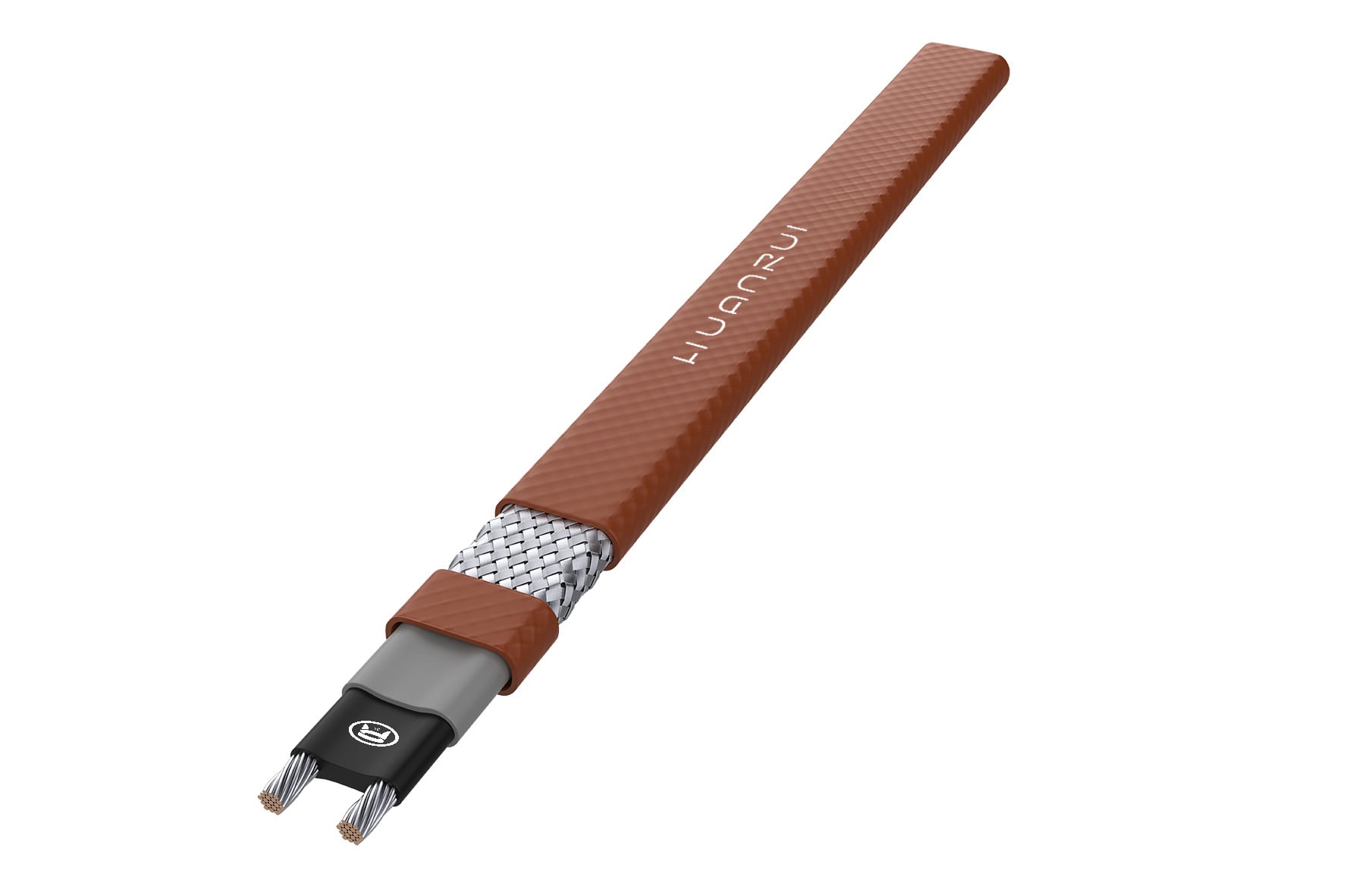
What makes them so tough? These heating cables adopt multi-layer composite structure — multiple layers. There’s the heating core, then insulation, then a copper shield, then a heavy-duty outer sheath. Think of it as a winter coat, a raincoat, and a suit of armor all wrapped into one.
3. How Do We Know They Last for Decades? The “Torture Tests”
You might be thinking: “Sure, the manufacturer says they’re durable, but how can I trust that?” Good question. Before these heating cables ever leave the factory, they go through over 100 different tests in accredited labs. Here are just a few:•Deep freeze test: The heating cable is frozen to -40°C, then bent and flexed to see if it cracks.•Water immersion test: The heating cable is run while fully submerged — no short circuits allowed.•Impact test: A heavy weight is dropped on the heating cable to simulate someone stepping on it or a rock falling on it.•Aging test: The heating cable is exposed to UV light, heat, and moisture for months to simulate years of outdoor life.
Only heating cables that pass all these tests earn international certifications like UL (US), ATEX (Europe), CSA (Canada), and others. These certifications are like a passport that says: “This heating cable is safe and durable anywhere in the world.”
4. Why Should You Care? The High Cost of “Cheap”
It’s tempting to buy a cheaper, uncertified heating cable. But in outdoor environments, “cheap” often becomes very expensive very quickly.•Buried pipes: Replacing a failed heating cable might require digging up roads or breaking concrete — costing 10 to 50 times the price of the heating cable itself.•Industrial downtime: If a chemical plant’s pipes freeze, production stops. One day of downtime can mean hundreds of thousands of dollars in losses.•Safety risks: If a fire protection pipe freezes, you might not realize it until it’s too late. The result could be catastrophic.
So, choosing a durable, certified heating cable isn’t an extra expense — it’s an investment in peace of mind.
5. Conclusion
Pipe freeze protection heating cables are durable because they are:•Made with smart materials that adjust heat output automatically.•Wrapped in multiple protective layers to block moisture, salt, and chemicals.•Undergo extreme durability testing in labs before they ever go outside.•Certified by international safety organizations to prove they can handle the worst conditions.
Next time you turn on a faucet in winter, drive through a mountain tunnel, or walk past a chemical plant, remember: there’s probably a small, tough heating cable working silently in the background, keeping everything from freezing. And that’s pretty cool — or rather, warm.