 EN
EN

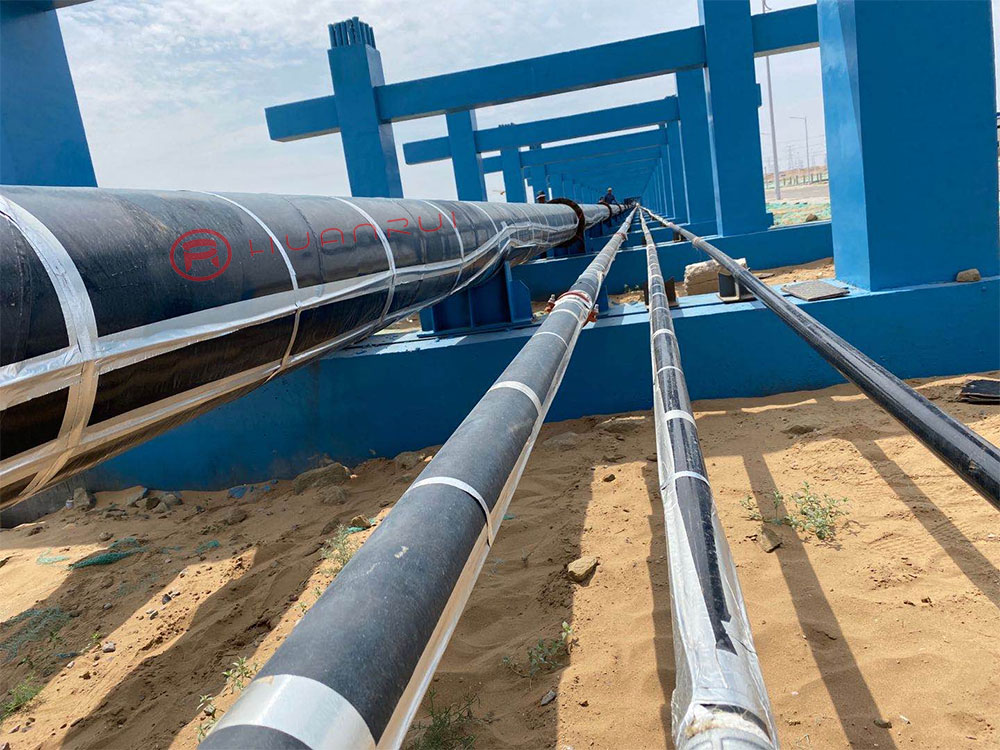
With the growing demand for industrial thermal insulation and civil freeze protection, electric heat-tracing technology is widely applied in petrochemical, power, fire protection, food processing and other industries. Many users encounter various questions during product selection and application. Here we sort out several common questions about electric heat-tracing to help you better understand this technology.
1. What is electric heat-tracing? What is its working principle?
Electric heat-tracing is a technology that converts electric energy into heat and provides heat tracing and thermal insulation for pipelines, equipment or vessels by means of heat conduction. Its core component is the heating cable, which generates heat when energized and attaches evenly to the surface of the heated object to compensate for heat loss to the surroundings, thereby maintaining the required temperature range.
2. What are the main types of electric heat-tracing products?
Common electric heat-tracing products on the market mainly fall into two categories:
Self-regulating heating cable:
Its core material is conductive plastic with Positive Temperature Coefficient (PTC) characteristics, which automatically adjusts power output as temperature rises. Power increases at low temperatures and decreases at high temperatures. It will not burn out due to overheating and features high safety, suitable for general freeze protection and thermal insulation scenarios.
Constant-wattage heating cable:
It maintains constant wattage output after energization and provides uniform heat generation, capable of higher maintenance temperatures. It is suitable for working conditions requiring high temperatures or long-distance transmission.
In addition, there is MI mineral-insulated heating cable. Adopting metal sheath and magnesium oxide insulating material, it features a high temperature-resistance rating and corrosion resistance, suitable for extremely harsh environments.
3. How to select suitable electric heat-tracing products?
The following factors shall be comprehensively considered for product selection:
Required maintenance temperature: Determine the target maintenance temperature according to process requirements. Different heating cables differ in temperature-resistance rating and power output.
Ambient conditions: Including minimum ambient temperature, presence of corrosive media, explosion-proof requirements, etc.
Pipeline parameters: Pipeline diameter, material, thickness and material of the insulation layer directly affect heat loss calculation.
Power supply conditions: Available on-site voltage (220V or 380V) and power supply capacity.
Heat loss calculation is recommended under the guidance of professional technicians to ensure proper selection, avoiding poor thermal insulation due to insufficient power or energy waste caused by excessive power.
4. What should be noted during electric heat-tracing system installation?
Installation quality directly affects the performance and service life of the electric heat-tracing system. Please note the following points:
Inspect the appearance of heating cables before installation; test continuity and insulation resistance with a multimeter.
Lay heating cables flat against the pipeline surface, avoiding folding, twisting or excessive stretching.
Use special aluminum foil tape to increase heat transfer area and control fixing spacing.
Reserve sufficient cable length at pipeline supports, valves and other accessories for convenient subsequent maintenance.
Install the insulation layer only after the heating cables are installed and passed testing. Apply waterproof treatment on the outer surface of the insulation layer.
5. Common faults and troubleshooting during operation
No heat generation: Verify normal power supply and whether the circuit breaker has tripped; then check for break points on the heating cables and confirm correct thermostat settings.
Failure to reach the target temperature: Possible causes include insufficient selected power, damp or damaged insulation layers, or insufficient laid length of heating cables. Troubleshoot item by item.
Electric heat-tracing technology provides a reliable solution for pipeline thermal insulation and freeze protection. Proper product selection, standardized installation and regular maintenance are critical to long-term stable operation of the electric heat-tracing system.
Table of Contents
- 1. What is electric heat-tracing? What is its working principle?
- 2. What are the main types of electric heat-tracing products?
- 3. How to select suitable electric heat-tracing products?
- 4. What should be noted during electric heat-tracing system installation?
- 5. Common faults and troubleshooting during operation