 EN
EN

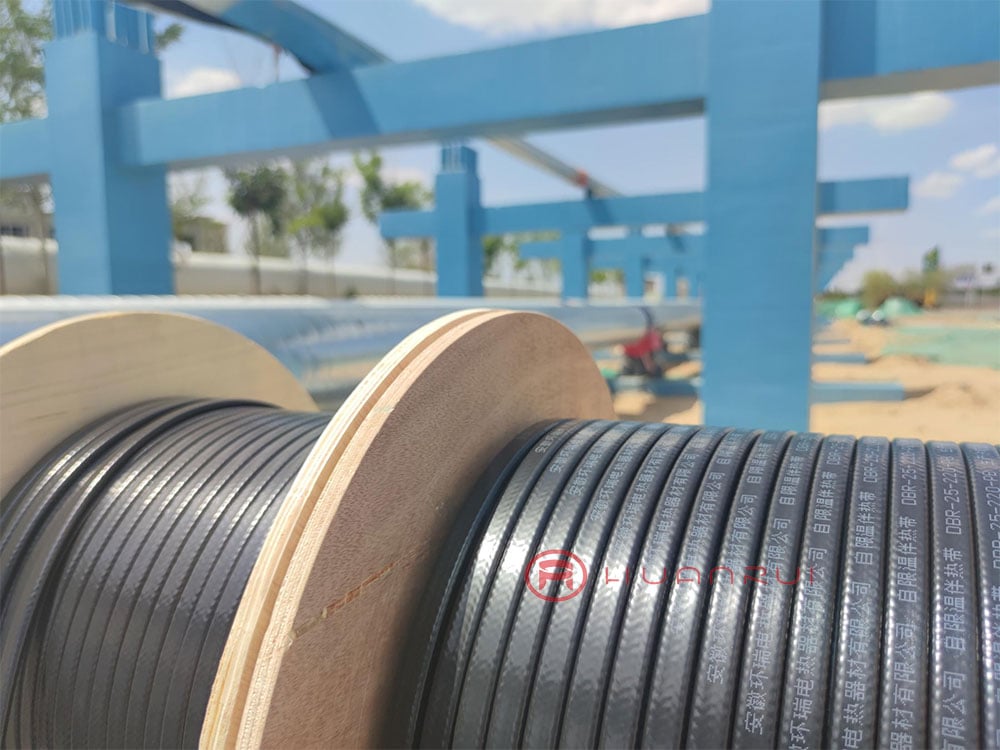
Electric heat tracing systems are widely used for pipeline freeze protection, equipment insulation and process temperature maintenance in industrial and civil fields. Heat tapes may produce hidden damage during production, transportation and installation, including sheath breakage, water ingress, insulation aging and poor connection. Standard inspection and testing ensure safe, stable and long-term system operation.
1. Pre-installation Delivery Inspection
Check and confirm the product model, specification, rated voltage, power and quantity according to the order. Verify clear printing of model, temperature resistance rating and technical parameters on the outer jacket. Inspect the cable surface for scratches, cracks, deformation and burning marks. Check all supporting accessories such as junction boxes, end seals and tee connectors. Store cables in a dry, clean and non-corrosive environment.
2. Visual Inspection
Check the cable surface for damage, cracks, aging, pinholes and water marks. Confirm no overheating discoloration, black spots or hotspots. Ensure no excessive stretching, sharp bending or extrusion deformation. Check all terminals for firm connection without looseness and oxidation. Verify junction boxes and end seals are well sealed and waterproof. Ensure control cabinets and thermostats are dry and well enclosed. Check reserved cable length at valves, elbows and pipe supports.
3. Insulation Resistance Test
Use 500VDC or 1000VDC megohmmeter for testing.
Qualified Standard
Self-regulating heating cable: no less than 20MΩ
Constant-wattage heating cable: no less than 50MΩ
MI mineral-insulated heating cable: no less than 50MΩ
Test Method
For self-regulating cable with metal braid, short two conductors and test insulation between conductors and metal shield for one minute.
For self-regulating cable without braid, immerse the cable body in water while keeping wire ends dry, then test insulation.
For constant-wattage cable, follow the same test method with a standard of 50MΩ.
For MI mineral-insulated cable, short two conductors and test insulation between conductors and metal outer sheath.
Judgment Rules
Below 20MΩ: insulation failure, water ingress or damage, do not use.
20MΩ to 50MΩ: qualified only for self-regulating cables.
Above 50MΩ: qualified for all heat tape types.
4. Multimeter Resistance Test
For constant-wattage heating cable, the measured resistance must match the factory standard value. Infinite resistance means open circuit, and near-zero resistance means short circuit.
For self-regulating heating cable, resistance increases with temperature. High resistance at room temperature is normal and not a fault.
5. Power-on Heating Performance Test
Perform the test only after insulation testing passes. Energize the cable at rated voltage for 5 to 15 minutes. Use an infrared thermometer to test surface temperature at multiple points.
Constant-wattage cables provide uniform heating without cold spots or overheating areas.
Self-regulating cables automatically increase power at low temperature and reduce power at high temperature.
No heating, partial cold areas or abnormal overheating indicate product failure.
6. Thermostat Trigger Test
Cool the thermostat with ice for 20 to 30 minutes to simulate low temperature conditions. The thermostat should automatically start heating when temperature drops and stop or reduce output when temperature rises. Failure to trigger normally means thermostat damage.
7. Withstand Voltage Test
Test the voltage resistance of the heat tape to avoid high voltage breakdown. Products that fail the test are prohibited from use.
8. Control System Inspection
Check thermostats, ammeters, voltmeters and circuit breakers for normal operation. Confirm system parameters and alarm limits meet technical requirements. Ensure the grounding system is firm, corrosion-free and qualified.
9. Common Fault Diagnosis
Low insulation resistance: water ingress, sheath damage, insulation aging or wet insulation layer.
No heating: open circuit, loose connection or tripped breaker.
Partial cold spots: cable breakage, poor connection or insufficient laying length.
Local overheating: overlapping installation and poor heat dissipation.
Frequent tripping: electric leakage, insulation damage or short circuit risk.
10. Regular Maintenance Standard
Complete full inspection twice a year, before winter and after spring. Perform annual megohmmeter testing for industrial heat tracing systems. Retest immediately after pipeline maintenance and insulation construction. Keep complete test records to monitor long-term cable performance.