 EN
EN
The Critical Challenge of Maintaining Thermal Infrastructure
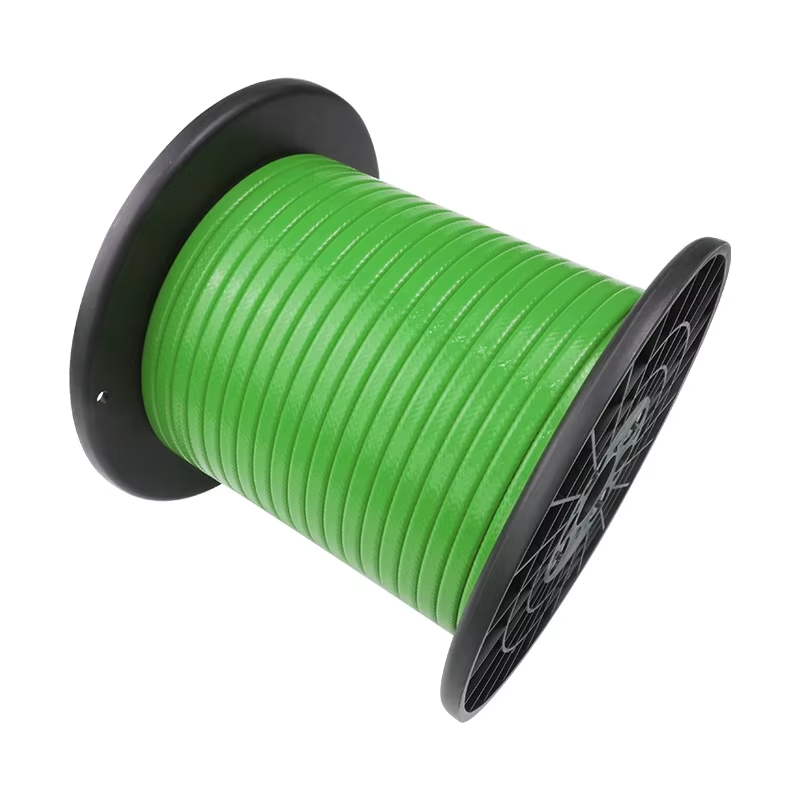
Operating industrial facilities in harsh, corrosive environments presents a unique set of engineering challenges for any thermal management system. In sectors such as chemical processing, offshore oil and gas extraction, and heavy metallurgy, the infrastructure is constantly exposed to aggressive substances, ranging from acidic vapors and caustic cleaners to extreme humidity and saline atmospheres. At the heart of maintaining process integrity in these areas lies the reliable performance of the Heat tracing cable. Ensuring these systems provide long-term service requires more than just high-quality hardware; it demands a proactive approach to installation, maintenance, and material specification. Extending the operational life of an installed Heat tracing cable is a technical endeavor that directly correlates to operational safety, energy efficiency, and the reduction of costly maintenance cycles within an industrial plant.
Selecting the Correct Jacket Material for Chemical Resilience
The first and most influential factor in protecting the longevity of a Heat tracing cable is the selection of an outer jacket material suited to the specific chemical environment of the site. Not all polymers are created equal; while basic materials may suffice for standard freeze protection in non-corrosive areas, industrial sites require specialized fluoropolymer or high-performance thermoplastic outer jackets. These materials are engineered to be chemically inert, preventing the ingress of corrosive agents that could otherwise compromise the internal conductive heating elements. A thorough analysis of the site's chemical inventory is vital. By ensuring that the outer jacket of the Heat tracing cable is specifically rated for resistance to the process fluids and secondary atmospheric conditions present, engineers can mitigate the risk of premature degradation caused by chemical stress cracking or embrittlement.
Strategic Installation Practices to Prevent Mechanical and Environmental Damage
How a Heat tracing cable is installed is as critical as the quality of the product itself. In corrosive environments, improper installation techniques—such as sharp bending, excessive pulling, or failing to protect connection points—can create vulnerabilities that allow corrosive agents to enter the system. Precision in routing and securing the Heat tracing cable is essential. All connection kits, junction boxes, and terminations must be rated for the environment and sealed using techniques that prevent moisture or gas ingress. Furthermore, ensuring that the Heat tracing cable is properly protected from physical impact and thermal cycling, which can stress the jacket over time, is paramount. Industry best practices involve using high-grade mounting accessories and stainless steel or UV-resistant straps, which ensure the system remains stationary and structurally sound throughout its service life.
Implementing a Rigorous Preventative Maintenance and Monitoring Program
Longevity is rarely the result of a "set it and forget it" mentality. In corrosive industrial zones, a structured monitoring program for every installed Heat tracing cable is a requirement for operational success. This includes routine visual inspections to identify signs of jacket damage, discoloration, or swelling, which can be early indicators of chemical attack. Additionally, electrical testing, such as insulation resistance (megger) testing, should be performed on a scheduled basis. These tests provide quantifiable data on the health of the system before a catastrophic failure occurs. By identifying subtle changes in the electrical performance of the Heat tracing cable early, maintenance teams can take targeted corrective actions, such as repairing a small section of the outer jacket or tightening a connection, rather than replacing the entire circuit.
Optimizing System Design and Thermal Management
Beyond material selection and maintenance, the overall design and control strategy for the Heat tracing cable system plays a decisive role in its service life. Operating a system at unnecessarily high temperatures can accelerate the aging of internal components, particularly in corrosive environments where the material may be under constant chemical stress. Utilizing sophisticated temperature controllers and sensors ensures that the system provides only the exact amount of heat required to maintain the process temperature. This precision not only enhances energy efficiency but also keeps the thermal stress on the Heat tracing cable at a minimum. When a system is designed to operate within an optimal thermal envelope, the chemical resistance of the outer materials is preserved, significantly extending the effective duty life of the installation in high-risk areas.
Engineering Excellence and Professional Manufacturing Support
The durability of any Heat tracing cable system is fundamentally grounded in the engineering quality and manufacturing standards of the source. Anhui Huanrui provides high-performance heating solutions that are designed with these exact industrial challenges in mind. With over 18 years of manufacturing expertise, Anhui Huanrui focuses on rigorous production standards, ensuring that every Heat tracing cable meets international benchmarks for chemical resistance, electrical safety, and mechanical robustness, backed by certifications such as CE, UL, and ATEX. The facility's commitment to continuous research and technical support provides industrial stakeholders with a reliable partner capable of navigating the complex demands of corrosive environments. By leveraging advanced manufacturing technology, comprehensive supply chain support, and a deep understanding of thermal management, the company ensures that global industrial projects are equipped with durable, trusted, and expertly engineered Heat tracing cable systems designed to stand the test of time.
Table of Contents
- The Critical Challenge of Maintaining Thermal Infrastructure
- Selecting the Correct Jacket Material for Chemical Resilience
- Strategic Installation Practices to Prevent Mechanical and Environmental Damage
- Implementing a Rigorous Preventative Maintenance and Monitoring Program
- Optimizing System Design and Thermal Management
- Engineering Excellence and Professional Manufacturing Support