 EN
EN
The Strategic Importance of Precision in Industrial Heat Tracing
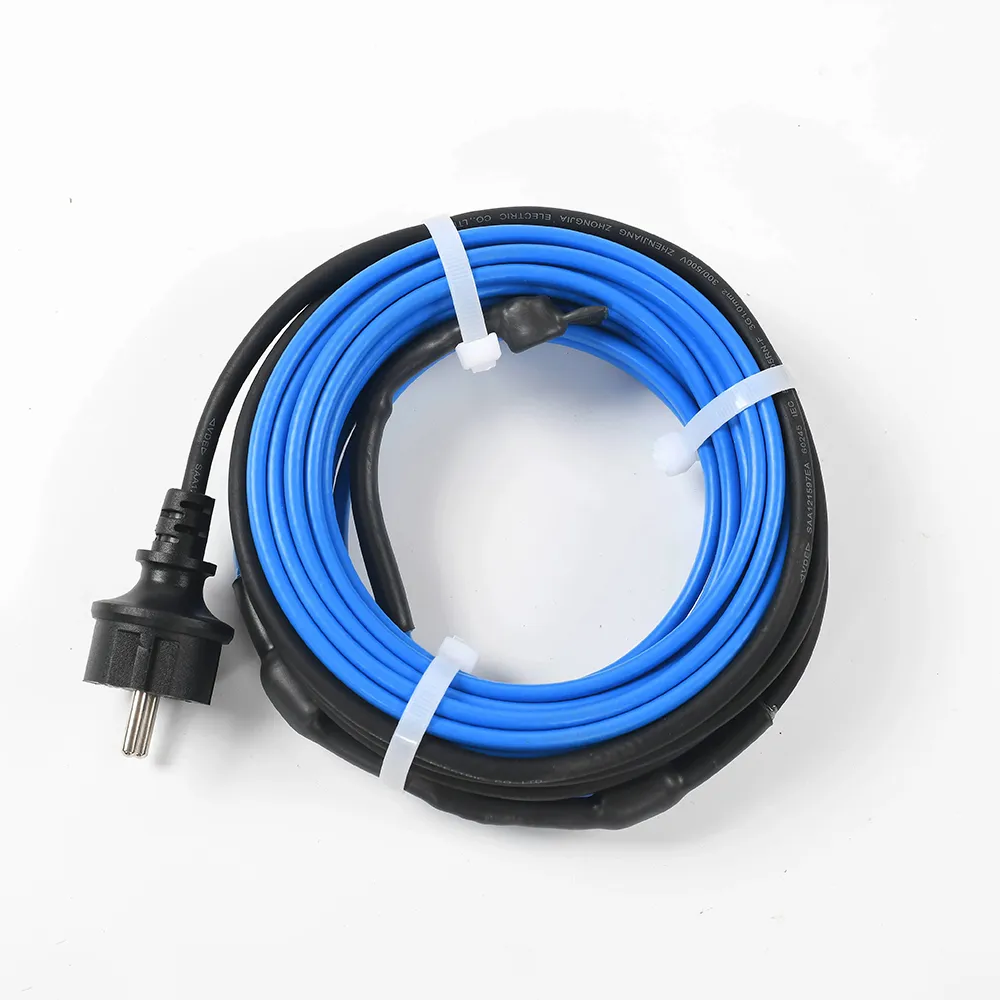
Selecting the right thermal management solutions is a fundamental challenge for engineers tasked with maintaining infrastructure integrity in demanding industrial environments. Among the various technologies available, self regulating heat tracing cables have become indispensable for applications requiring energy-efficient, responsive temperature control. These systems are designed to adapt their thermal output in real-time based on the surrounding environment, making them highly effective for freeze protection and process temperature maintenance in sectors ranging from petroleum and chemical processing to rail transit and new energy vehicle infrastructure. However, the efficacy of an installation hinges entirely on the quality and appropriateness of the components selected. Making an informed decision requires a deep understanding of technical parameters, environmental stressors, and the long-term reliability of the system components.
Analyzing Ambient Temperature Dynamics and Heat Loss Calculations
The first critical factor in the selection of self regulating heat tracing cables is a comprehensive assessment of ambient temperature dynamics. Unlike passive heating solutions, self regulating technology thrives when the system is correctly matched to the expected temperature range of the facility. Engineers must perform meticulous heat loss calculations, taking into account the pipe diameter, the insulation material and thickness, and the minimum expected ambient temperature. It is essential to ensure that the chosen self regulating heat tracing cables can maintain the required process temperature under the most severe cold weather conditions expected at the site. A thorough technical analysis at the planning stage prevents under-heating, which can lead to process disruptions, or over-designing, which can needlessly increase energy consumption and operational costs.
Material Compatibility and Chemical Resistance for Demanding Environments
Industrial facilities are frequently characterized by harsh operating environments, including exposure to corrosive chemicals, moisture, and extreme temperature fluctuations. The jacket material of the self regulating heat tracing cables must be carefully selected to resist the specific environmental stressors present in the facility. Whether the application involves exposure to organic solvents, acidic vapors, or heavy industrial oils, the outer jacket must provide a chemical and mechanical barrier that ensures the long-term integrity of the conductive polymer core. Professional engineering teams always prioritize materials that meet international standards for hazardous areas, such as ATEX or IECEx certifications. Ensuring that the jacket material is specifically rated for the environment is not merely a performance issue; it is a fundamental requirement for maintaining the safety and longevity of the entire thermal management system.
Voltage Ratings and Circuit Length Limitations
A common oversight during the design of heat tracing systems relates to voltage compatibility and the physical limitations of the circuit length. Self regulating heat tracing cables are designed to operate within specific voltage ranges, typically 110-120V or 220-240V. Misalignment between the facility's power infrastructure and the cable's voltage rating can result in system failure or diminished thermal performance. Furthermore, every type of self regulating heat tracing cable has a maximum circuit length dictated by its internal resistance and starting current characteristics. Exceeding these limits can compromise the system's ability to protect the pipe or vessel effectively. Designers must work with detailed manufacturer specifications to ensure that the total length of the heat tracing circuit, including splices and connection points, adheres to the defined technical constraints.
Certifications and the Value of Technical Compliance
Global industrial projects demand adherence to rigorous safety and quality standards. When selecting self regulating heat tracing cables, procurement professionals and design engineers should prioritize components that carry recognized international certifications, such as CE, UL, or CSA. These certifications serve as an objective guarantee that the product has undergone rigorous testing for fire safety, electrical stability, and mechanical durability. Technical compliance is the bedrock of industrial trust. It provides the assurance that the heating components will function reliably, regardless of whether they are installed in a massive oil terminal, a high-speed rail line, or a complex nuclear power facility. Investing in certified technology mitigates risk and ensures that the facility remains compliant with local and international regulatory requirements throughout its lifecycle.
Leveraging Manufacturing Expertise and Supply Chain Reliability
The ultimate success of an industrial heat tracing system is inextricably linked to the quality of the manufacturing partner. Since 2007, Anhui Huanrui has dedicated its efforts to the rigorous production of high-performance heating solutions. With a facility spanning 50,000 square meters and a portfolio that includes advanced self regulating heat tracing cables, Anhui Huanrui provides not only the products but the technical depth required for complex global infrastructure. The company’s commitment to technical innovation, supported by over 30 patented technologies and comprehensive international certifications like ATEX and IECEx, ensures that each product meets the exacting standards of the modern industrial sector. By aligning with a partner that integrates full-chain manufacturing—from the initial design and research to global logistics and onsite support—industrial stakeholders can ensure their thermal management systems are built on a foundation of professional excellence and supply chain stability.
Table of Contents
- The Strategic Importance of Precision in Industrial Heat Tracing
- Analyzing Ambient Temperature Dynamics and Heat Loss Calculations
- Material Compatibility and Chemical Resistance for Demanding Environments
- Voltage Ratings and Circuit Length Limitations
- Certifications and the Value of Technical Compliance
- Leveraging Manufacturing Expertise and Supply Chain Reliability