 EN
EN
Heat tracing systems are critical technologies for ensuring the safe and stable operation of industrial processes, municipal facilities, and building pipelines in low-temperature environments. Through active heating, they effectively prevent medium freezing, maintain process temperatures, and reduce energy consumption. However, the long-term reliability of a system depends not only on the initial design and product quality but also on consistent and standardized maintenance. A well-executed preventive maintenance strategy can significantly extend system service life, reduce unplanned downtime, and optimize operational efficiency. Based on industry-recognized best practices and engineering standards, this article systematically outlines six core pillars of maintenance for extending the lifespan of heat tracing systems.
Pillar One: Establish Systematic Visual Inspection Procedures
Regular visual inspections are the first line of defense for detecting early defects and preventing minor issues from escalating into major failures. Depending on the severity of the environment, it is recommended to establish quarterly or semi-annual routine inspections and increase the frequency before and after extreme weather seasons.
Inspections should focus on:
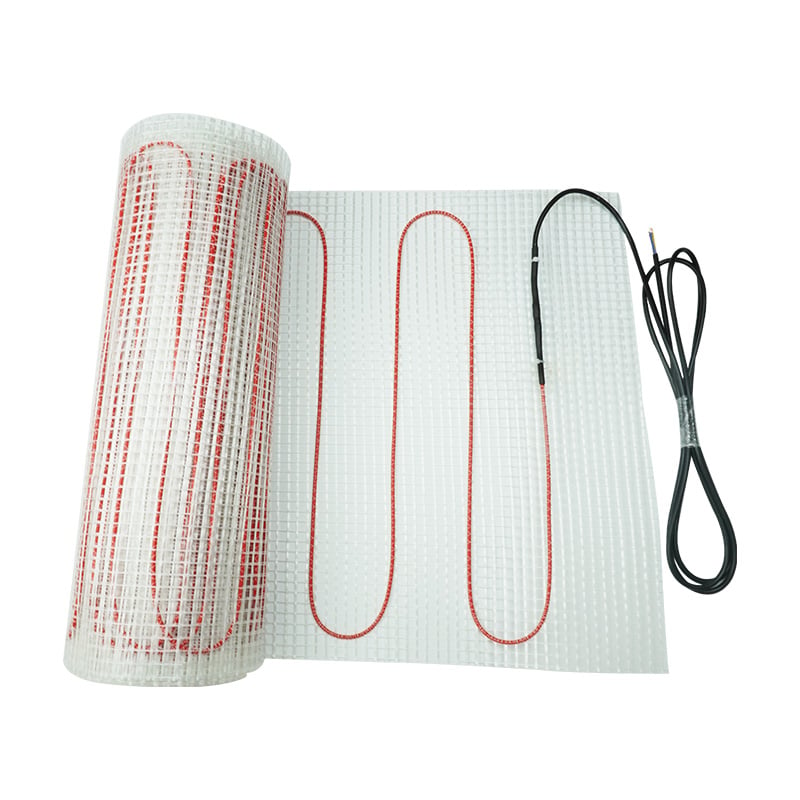
Heating Elements: Check cables or heating mats for physical damage (such as cuts, indentations, jacket cracking), discoloration of insulation (which may indicate localized overheating), and whether fasteners are loose. Inspection frequency should be increased in areas with mechanical activity or chemical exposure.
Electrical Connection Points: Examine all junction boxes, splice joints, and end terminations. Ensure they are properly sealed, show no signs of corrosion, and are securely fastened. Damp or corrosive environments are high-risk areas for connection point failures.
Pipeline Insulation System: The integrity of the insulation directly affects heat tracing efficiency. Inspect insulation materials for damage, missing sections, moisture ingress, or collapse. According to the International Electrotechnical Commission standard IEC 60079-30-1, wet insulation materials experience a drastic drop in thermal resistance, forcing the heat tracing system to operate under prolonged overload conditions and accelerating its aging.
Pillar Two: Perform Regular Electrical Performance Testing
Visual inspections cannot detect internal hazards such as insulation degradation or resistance changes. Therefore, annual electrical testing, or testing following major repairs, is crucial.
Key tests include:
Circuit Continuity Test: Use a multimeter to confirm electrical continuity throughout the entire heating loop, eliminating the risk of open circuits. This basic test should be performed before the start of each heating season.
Insulation Resistance Test: Use a megohmmeter (e.g., 500V or 1000V range) to measure the insulation resistance between live parts and ground. Standards such as the National Electrical Code (NEC) typically require this value to be no less than 1 megohm. A consistent downward trend in resistance is a clear indicator of deteriorating insulation performance (e.g., due to moisture ingress or aging).
Power and Function Verification: For constant-wattage cables, measure loop resistance and compare it with installation records; for self-regulating cables, verify their temperature response and output under typical operating conditions. Abnormal power consumption or temperature rise may indicate component failure or controller malfunction.
Industry consensus indicates that the performance baseline data established through electrical testing is key to predicting faults and enabling predictive maintenance. Neglecting these tests can allow latent faults to develop, ultimately leading to costly system failures.
Pillar Three: Implement Targeted Cleaning and Protection
Heat tracing systems are often exposed to harsh environments such as moisture, dust, chemicals, or UV radiation. Proactive cleaning and protection can effectively slow material aging.
Regular Cleaning: Remove accumulated oil, chemical residue, or conductive dust from the surfaces of heating elements and insulation. Use gentle methods during cleaning to avoid damaging the jacket and insulation.
Protection of Critical Components: In areas with highly corrosive atmospheres, consider adding protective covers or applying certified anti-corrosion coatings to key components such as junction boxes. Ensure all outdoor-installed components have appropriate ingress protection (IP) ratings.
Environmental Adaptability Management: Select components suitable for the installation environment. For example, use UV-resistant materials in areas with strong sunlight; ensure all components have temperature ratings with sufficient margin in consistently low or high-temperature environments.
Pillar Four: Ensure Accuracy of Control and Monitoring Systems
Thermostats, sensors, and control systems are the "brains" of a heat tracing system. Their inaccuracy directly leads to energy waste, insufficient heating, or equipment overheating.
Regular Calibration: It is recommended to calibrate temperature sensors and controller setpoints annually using standard instruments. Even a deviation of a few degrees can lead to significant energy waste or process risks over time.
Control Panel Maintenance: Keep control panel interiors clean and dry, check that terminal connections are tight, and ensure adequate ventilation and heat dissipation. In areas with significant grid fluctuations, equipping electronic control devices with surge protectors is a cost-effective protective measure.
Software and Firmware Updates: For intelligent control systems, pay attention to and apply official updates released by the manufacturer to fix potential vulnerabilities and optimize control algorithms.
Pillar Five: Adhere to Standardized Installation and Repair Practices
Maintenance work cannot compensate for inherent defects left during the installation phase. Ensure that the initial installation and all subsequent repairs comply with the highest standards.
Strictly Follow Installation Specifications: Adhere to the installation guidelines provided by the manufacturer, especially regarding critical requirements such as minimum bend radius, maximum laying length, and prohibitions against overlapping or crossing. Non-standard installation is the root cause of many early failures.
Use Compatible, Certified Components: When performing repairs or replacements, always use components that are compatible with the original system's technical specifications and carry appropriate safety certifications. Mixing incompatible or uncertified components can compromise system integrity and void warranties.
Rely on Qualified Personnel: Installation and complex repairs should be performed by technicians with appropriate qualifications and experience. Professional training ensures a deep understanding of system principles and construction standards, which is the foundation of long-term reliability.
Pillar Six: Build a Complete Maintenance Documentation Record
Detailed maintenance archives are a valuable asset for asset management. They help track system performance evolution, analyze failure modes, and provide data support for future maintenance decisions.
Records should include:
Dates, results, personnel involved, and subsequent actions taken for all inspections and tests.
Detailed information of any component replacements (model, batch, replacement date).
Records of abnormal events during system operation, such as trips, unusual energy consumption, or temperature fluctuations.
External influencing factors, such as extreme weather, process changes, or nearby construction activities.
By analyzing this historical data, weak points requiring focused attention can be identified, enabling an upgrade from "time-based maintenance" to "condition-based maintenance." This allows for more precise resource allocation and improved maintenance efficiency.
Conclusion: Viewing Maintenance as a Strategic Investment
Maintenance of heat tracing systems is far from a passive cost expenditure; it is a strategic investment that safeguards production continuity and enhances operational safety and economic efficiency. By establishing and consistently implementing a structured maintenance plan encompassing the six pillars outlined above, facility managers can maximize the long-term value of their heat tracing assets.
The core of this process lies in a shift in mindset: from reactively addressing failures to proactively managing the entire lifecycle health of the system. When maintenance becomes an institutionalized, data-driven routine practice, organizations gain not only longer equipment life and lower repair costs but also the predictable, robust reliability of their entire operational system in the face of winter's challenges.