 EN
EN

Winter often transforms residential driveways into hazardous areas, where slippery ice surfaces can easily cause falls, heavy snow accumulation hampers travel, and early-morning snow shoveling consumes valuable time. For households facing winter mobility challenges, electrically heated driveways offer an effective solution. This article will systematically analyze how electrically heated driveways can improve quality of life in winter, from the perspectives of technical principles, practical benefits, and applicable scenarios.
1. Proactive Ice and Snow Prevention: Enhancing Winter Safety
Traditional snow removal methods suffer from delays and limitations. Deicing agents are often ineffective in low temperatures and may harm the environment or pavement. Electrically heated systems, through heating elements embedded in the driveway, actively provide thermal energy during snowfall or ice formation, enabling immediate snow and ice melting.
Modern electrically heated driveways typically employ self-regulating technology, which automatically adjusts power output based on surface temperature—increasing heating power in low temperatures and reducing energy consumption when temperatures rise. This ensures ice prevention while optimizing energy efficiency. Relevant engineering studies indicate that well-designed electrically heated systems can significantly reduce the risk of slip-and-fall accidents in outdoor winter areas.
The practicality of such systems is particularly evident in cold regions. For instance, in severely cold Harbin, homes with electrically heated driveways can maintain clear access even at -30°C, eliminating the labor input and safety risks associated with traditional snow removal methods.
2. Reducing Maintenance Burden: Optimizing Quality of Life
Winter snow removal is a significant burden for many households, consuming both time and energy while posing health risks. Statistics show numerous cases of musculoskeletal injuries in North America each year due to snow shoveling. The automated operation of electrically heated driveways fundamentally changes this situation.
Through smart thermostats or humidity sensors, the system can activate automatically during snow or ice conditions, achieving a "hands-free" snow removal effect. Users can also remotely control heating periods, further reducing usage costs by leveraging time-of-use electricity pricing. Practical cases demonstrate that in areas with frequent winter snowfall, electrically heated driveways can save households 15–20 hours per month in snow removal time.
From a long-term usage perspective, well-designed electrically heated systems can have a lifespan exceeding 20 years with minimal maintenance requirements. Their durability and reliability make them a sustainable investment in home upgrades.
3. Improving Travel Conditions: Ensuring Driving Safety
Winter low temperatures pose challenges to both vehicle starting and operation, with particularly significant impacts on the battery performance of electric vehicles. Maintaining an ice-free driveway not only enhances pedestrian safety but also provides better conditions for vehicle travel.
Electrically heated driveways ensure traction in vehicle access areas, reducing the risk of skidding on slopes or during turns. For electric vehicles, a warm driveway environment helps mitigate battery performance degradation in extreme cold. Data from relevant automobile associations indicate that ice- and snow-free driving environments can improve winter driving safety metrics.
To accommodate different vehicle needs, electrically heated systems can be customized according to driveway layouts, covering key areas such as parking spaces and ramps. The system's pressure resistance and weatherproof properties ensure stable operation under long-term vehicle traffic.
4. Enhancing Property Value: Aligning with Sustainable Trends
As demands for quality of life increase, electrically heated driveways are gradually becoming value-added features for homes in cold regions. Real estate market data shows that in areas with long winters, homes equipped with such systems are more competitive in sales.
From an environmental perspective, electrically heated systems can be integrated with renewable energy sources, such as photovoltaic power generation systems, to further reduce carbon footprints. Time-of-use electricity pricing policies in some regions also support the economical operation of electrically heated driveways.
In terms of design, modern electrically heated systems prioritize environmentally friendly materials, complying with relevant environmental standards. In some sustainability-focused communities, such systems can even contribute to green building certification credits.
5. Selection and Implementation Recommendations
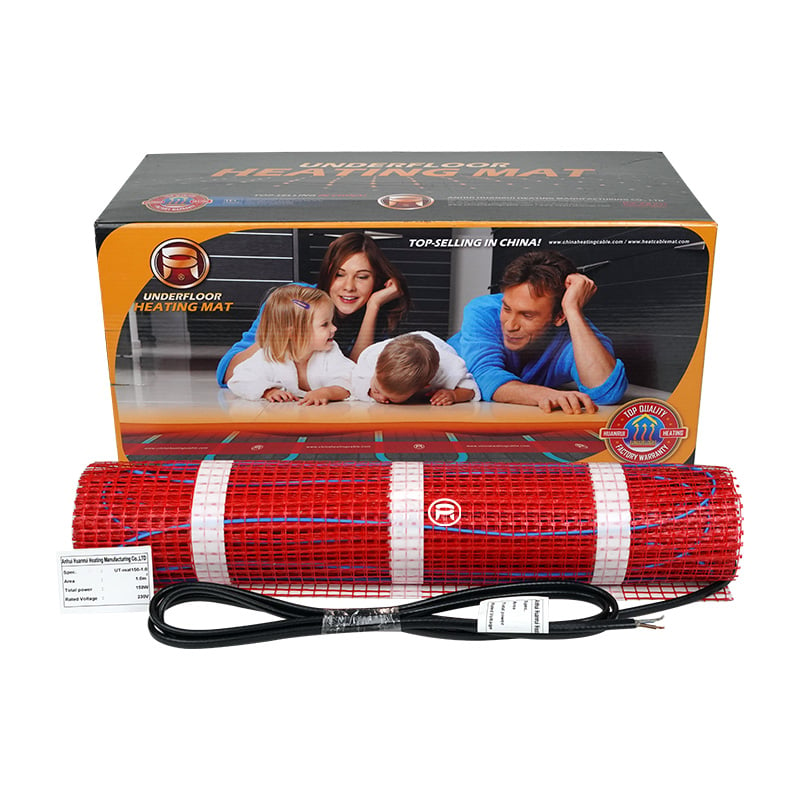
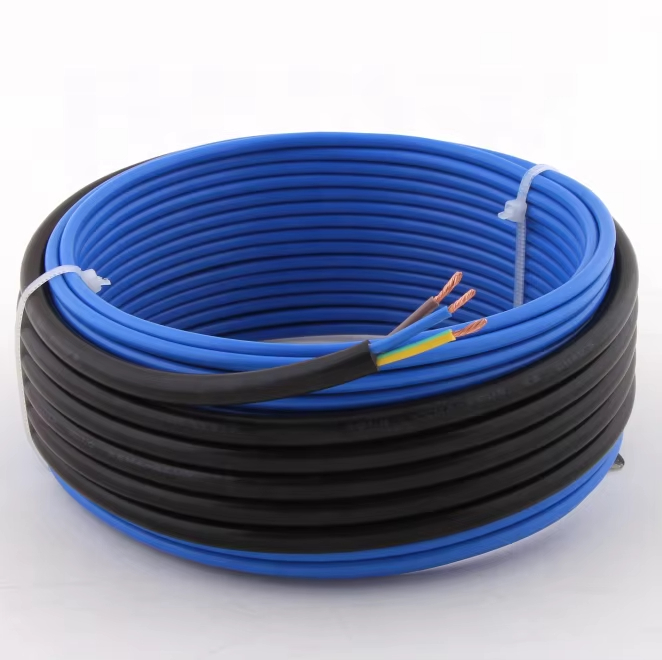
When selecting an electrically heated driveway system, the following key factors should be considered: type of heating element (self-regulating cables or heating mats), control system configuration, installation craftsmanship requirements, and local climate conditions. Professional installation and proper design are crucial to system effectiveness.
Users should evaluate the necessity of the system based on local snowfall frequency, duration of low temperatures, and usage needs. It is also important to understand local electricity pricing policies to develop reasonable operating strategies, balancing safety and economy.
Conclusion
Electrically heated driveways provide a reliable solution for winter residential mobility, with value reflected across multiple dimensions: enhanced safety, reduced burdens, improved travel convenience, and increased asset value. As technology advances and costs optimize, this system is gradually shifting from a premium feature to a practical choice for cold regions. For households that prioritize winter quality of life, electrically heated driveways represent the direction of modern home infrastructure development, bringing tangible improvements to daily life during the cold season.