 EN
EN

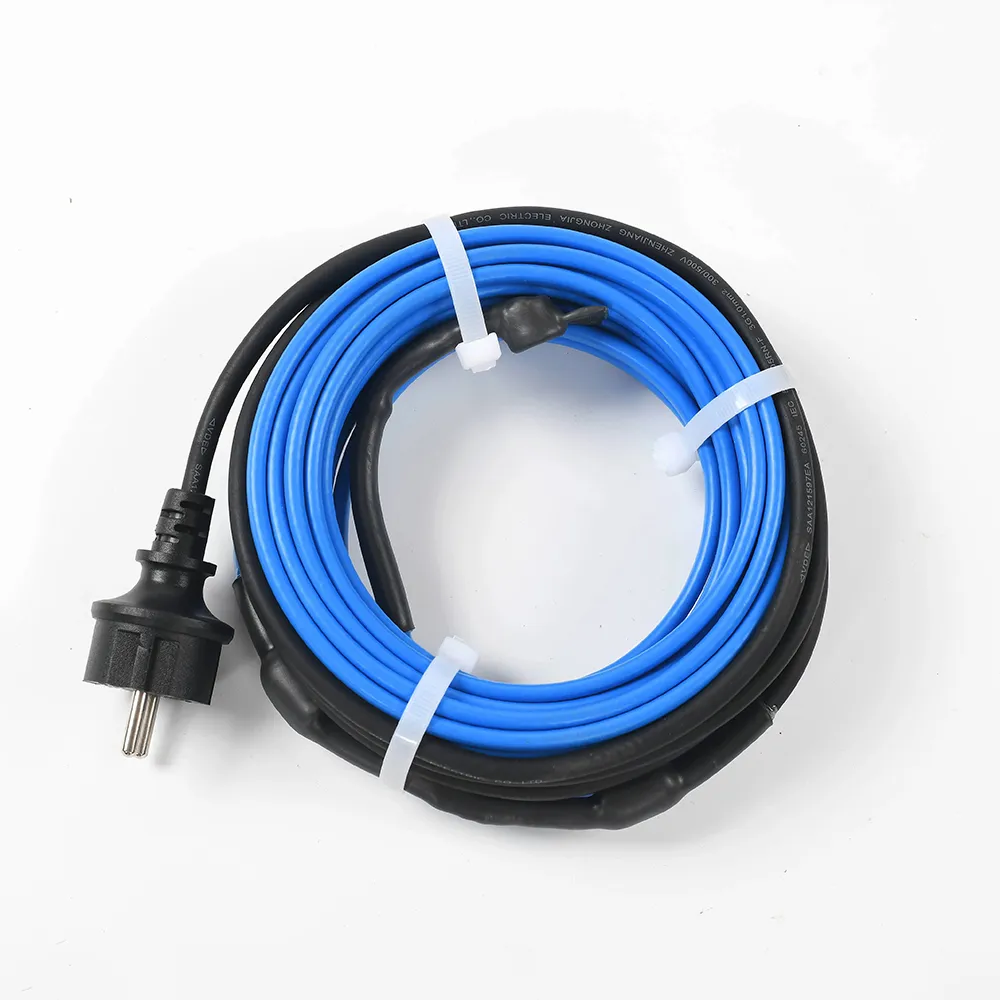
Chemical processing facilities, tank farms, and liquid distribution terminals rely on specialized tank heating systems to maintain precise fluid viscosities, prevent product crystallization, and prevent freezing during cold weather storage. Designing an efficient tank heating installation for chemical storage requires balancing heat loss calculations, fluid temperature sensitivity, hazardous area electrical safety codes, and chemical corrosion resistance. Because storage tanks possess large surface areas, non-uniform liquid levels, and strict sheath temperature constraints, standard pipe-tracing methods cannot be directly applied. This engineering guide outlines the specific design criteria, surface power density limitations, explosion-proof standards, and thermal control logic required for reliable tank heating in chemical storage environments.
Determining Thermal Requirements and Heat Loss Calculations
The foundation of chemical tank heating design starts with calculating the overall heat loss of the vessel under minimum ambient temperatures and maximum wind speeds. Unlike narrow process piping, tank heating systems must account for variable liquid head pressures, roof thermal losses, bottom dish heat sink effects, and structural support heat transfer.
To design an accurate tank heating system, engineers evaluate several heat loss factors:
-
Vessel Surface Area: Total surface area including cylindrical walls, top dome or cone, and bottom dish or flat plate.
-
Insulation Specification: Type, thickness, and thermal conductivity (k-value) of the vessel insulation cladding.
-
Fluid Maintenance Temperature: The target temperature required to keep the chemical fluid above its freezing, crystallization, or high-viscosity threshold.
-
Minimum Ambient Design Temperature: Worst-case site winter temperature combined with local wind velocity factors.
-
Safety Factor Application: Standard industrial tank heating designs apply a 15% to 20% safety thermal margin to account for wind shear and insulation degradation over time.
Calculating these variables establishes the total kilowatt power requirement necessary for effective tank heating during steady-state holding conditions.
Sheath Temperature Limits and Chemical Sensitivity
Many industrial chemicals—such as sodium hydroxide, concentrated sulfuric acid, phenolic resins, and organic solvents—are sensitive to thermal degradation. Exceeding maximum sheath temperatures can lead to product scorching, localized boiling, polymer degradation, or violent chemical breakdown. Consequently, chemical tank heating systems require strict management of surface power density (watts per square meter or watts per foot).
| Chemical Stored | Temperature Maintenance Range | Maximum Sheath Temperature Limit | Recommended Tank Heating Sheath Material |
| Sodium Hydroxide (50% Lye) | 25°C to 40°C | 60°C max (prevent stress corrosion) | Fluoropolymer / Stainless Steel Braid |
| Glacial Acetic Acid | 20°C to 30°C | 50°C max (prevent thermal degradation) | PFA Fluoropolymer Jacket |
| Phenol | 50°C to 65°C | 90°C max | Fluoropolymer or Metallic Overbraid |
| Heavy Fuel Oils / Resins | 60°C to 90°C | 130°C max | High-Temperature Fluoropolymer / Metal Sheath |
Controlling sheath temperatures in tank heating requires spreading the total thermal capacity across a larger surface area on the lower third of the tank shell, ensuring low surface watt densities that protect sensitive chemical compounds.
Hazardous Area Compliance and Flameproof Certification
Most chemical tank heating applications are situated in hazardous locations classified as Zone 1, Zone 2, or Class I, Division 1/2 environments where flammable vapors or gases may be present. Designing a compliant tank heating system requires strict adherence to international explosion-proof standards, including IECEx, ATEX, and NEC codes.
Key hazardous design requirements for chemical tank heating include:
-
Auto-Ignition Temperature (T-Rating) Matching: The maximum sheath operating temperature of the tank heating element must never exceed the auto-ignition temperature of surrounding chemical gases. Systems must be certified to T6, T5, or T4 temperature classes.
-
Ground-Fault Protection Integration: Every tank heating electrical circuit must be protected by a 30mA equipment ground-fault protection device (GFEP) to de-energize the circuit instantly if insulation failure occurs.
-
Certified Junction Enclosures: All power connections, splices, and end seals used in tank heating must utilize ATEX/IECEx certified Ex-d (flameproof) or Ex-e (increased safety) junction boxes.
-
Continuous Earth Grounding Braid: The tank heating heating trace must feature a high-coverage tinned copper or stainless steel grounding braid, providing a low-resistance path to earth ground across the entire vessel surface.
Adhering to these explosion-proof design rules prevents electrical ignition risks, protecting chemical processing infrastructure and plant personnel.
Mechanical Layout, Attachment Methods, and Heat Transfer Foils
Installing a tank heating system on large vertical or horizontal chemical vessels requires specialized mounting hardware to ensure continuous contact between the heating elements and the vessel shell. Air gaps act as thermal insulators, causing localized hot spots on the heating tape and reducing overall heat transfer efficiency into the tank heating application.
-
Pre-Punched Stainless Steel Strapping: Mount tank heating elements horizontally or vertically around the lower shell using stainless steel banding spaced every 300mm to 500mm.
-
High-Temperature Aluminum Transfer Tape: Cover all installed tank heating lines with heavy-duty aluminum tape. The high thermal conductivity of aluminum tape rapidly spreads heat laterally across the metal vessel shell, smoothing out temperature gradients.
-
Heat Transfer Cements: For high-temperature or heavy wall tank heating installations, apply thermally conductive heat transfer compounds between the heating tape and the tank shell to eliminate air voids entirely.
-
Lower Shell Concentration: Place 70% to 80% of the total tank heating capacity on the lower third of the tank wall. Natural thermal convection inside the liquid volume carries heated chemical fluid upward, ensuring uniform temperature distribution throughout the entire vessel volume.
Proper mechanical attachment ensures that the tank heating system maintains uniform thermal transfer, preventing localized hot spots and maximizing energy efficiency.
Temperature Control Logic and Monitoring Systems
Maintaining reliable tank heating performance requires sophisticated control and monitoring architecture. Simple mechanical thermostats are generally insufficient for chemical storage tanks due to fluid stratification and variable fill levels.
Modern tank heating control strategies combine multiple temperature sensors with digital control panels:
-
Dual Thermocouple/RTD Inputs: Place one sensor on the tank heating heating element sheath to prevent over-temperature conditions, and place a second sensor deep inside the tank wall well to monitor bulk fluid temperature.
-
Liquid Level Interlocking: Interlock the tank heating control circuit with tank level transmitters. When chemical levels drop below the heating band zone, the control system automatically throttles or de-energizes those upper heating circuits to prevent dry-firing the vessel shell.
-
Digital Control Panels: Utilize PLC-based or micro-processor tank heating control panels equipped with soft-start routines, alarm outputs for low/high temperatures, ground-fault leakage monitoring, and RTD sensor failure detection.
Implementing multi-point temperature monitoring and automated control interlocks guarantees that the chemical tank heating system operates safely, maintains precise product viscosity, and minimizes seasonal power consumption across all storage operations.