 EN

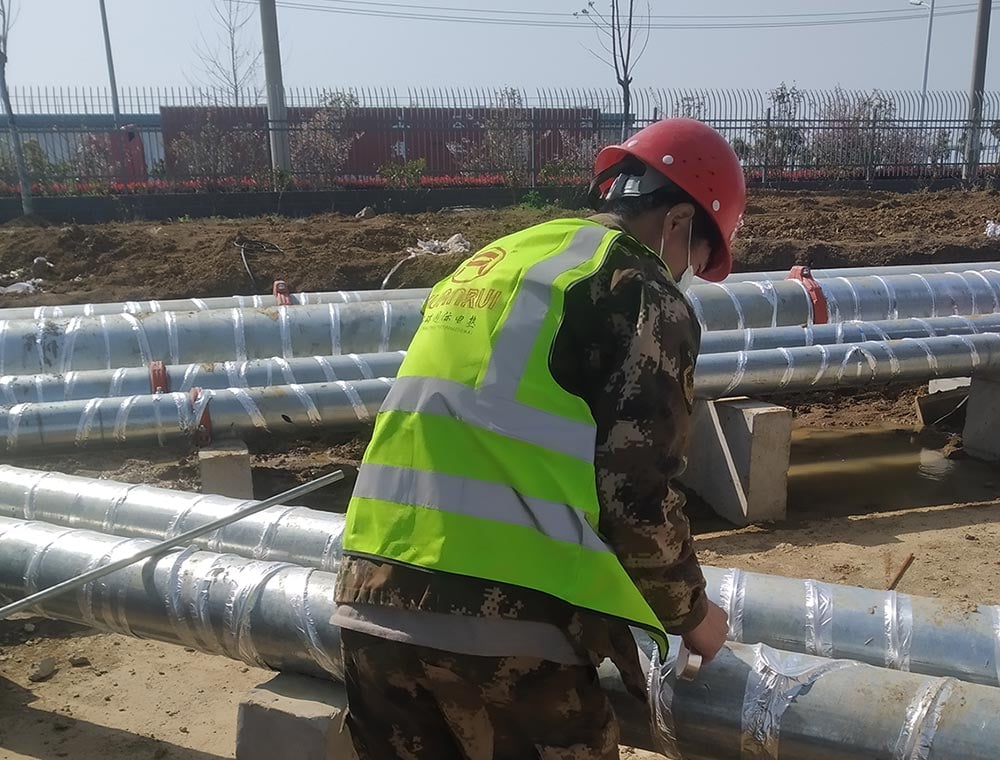
Electric heat tape converts electric energy into heat for freeze protection and process temperature maintenance of pipelines, tanks, instruments and other equipment. In practical engineering applications, the conversion from electric energy to effective heat transfer is not constant. The heating efficiency is affected by the product material and structure, installation work, thermal insulation system, power supply, temperature control and external working conditions. Understanding these factors helps proper product selection, standardized installation, energy saving and stable operation of the heat tracing system.
Material and structural design of the product
The heating core is the key factor that determines the performance of heat tape. Self-regulating heating cable adopts PTC conductive polymer matrix. The formula and cross-linking process determine how its resistance changes with temperature. Aging of the base material leads to abnormal power regulation and gradual loss of heating efficiency over time. Constant-wattage heating cable generates heat through alloy resistance wire. The material and wire diameter uniformity decide the stability of rated power output.
The thermal conductivity of insulation and outer jacket also affects heat transfer. When the jacket meets corrosion and weather resistance requirements, higher thermal conductivity allows heat to transfer smoothly to the heated substrate. Low thermal conductivity will trap heat inside the cable and cause extra heat loss. The shielding layer, bus wire and joint workmanship also introduce extra contact heat loss and influence overall performance.
Installation and construction
Close contact between heat tape and the heated surface is critical. Air gaps between cable and pipe wall create high thermal resistance, preventing heat transfer and causing heavy energy waste. Aluminum foil tape is commonly used on site to improve contact and eliminate gaps.
Winding layout, installation spacing and bending radius must follow specifications. Excessive winding pitch or wide installation spacing creates cold spots. Bending below the minimum permitted radius may damage the heating core and cause uneven local resistance. Limited overlapping is acceptable for self-regulating heating cables, but excessive stacking leads to heat accumulation, power reduction and lower effective heating efficiency. Extra heat tracing should be arranged for valves, flanges and pumps, as these positions are common weak points for heat loss.
External thermal insulation and protection structure
The insulation layer fitted after cable installation is the main barrier against heat loss. Thermal conductivity, thickness and moisture resistance of insulation materials directly control outward heat dissipation. Insulation with insufficient thickness, damp insulation wool or damaged outer jacket loses thermal performance rapidly. The heat tape has to output more power continuously to keep the target temperature, which reduces the comprehensive efficiency of the whole system. Broken outer cladding and unsealed seams also accelerate convective heat loss.
Power supply and temperature control system
Voltage fluctuation changes the actual output power of heat tape. The power of constant-wattage heating cable is proportional to the square of voltage. Low voltage results in insufficient heating output, while overvoltage brings overheating risk. Self-regulating heating cables are also affected by voltage changes, including inrush current and steady-state power.
The layout of temperature controllers and sensors together with control logic determines energy consumption. Improper sensor placement causes false start and stop. Precise temperature control cuts power once the set temperature is reached and avoids unnecessary heating. Continuous operation without temperature control wastes energy and reduces system efficiency.
Ambient working conditions
A lower ambient temperature creates a larger temperature difference between the pipe and surroundings, which increases heat dissipation. Wind speed matters greatly for outdoor installations. Strong wind accelerates heat loss from the insulation surface.
Humidity, corrosive agents, rain, snow and water immersion influence efficiency indirectly. Damp and corrosive surroundings speed up jacket aging and insulation degradation, which may cause leakage and damage the insulation structure.
Operation and maintenance
After long-term service, heat tape and insulation may suffer aging, cracks, water ingress and oxidized loose joints. Poor contact at joints brings extra power consumption. Regular inspection, repair of damaged outer cover, replacement of aged insulation and testing of circuits and controllers can keep the heating tracing system working at stable efficiency.