 EN
EN

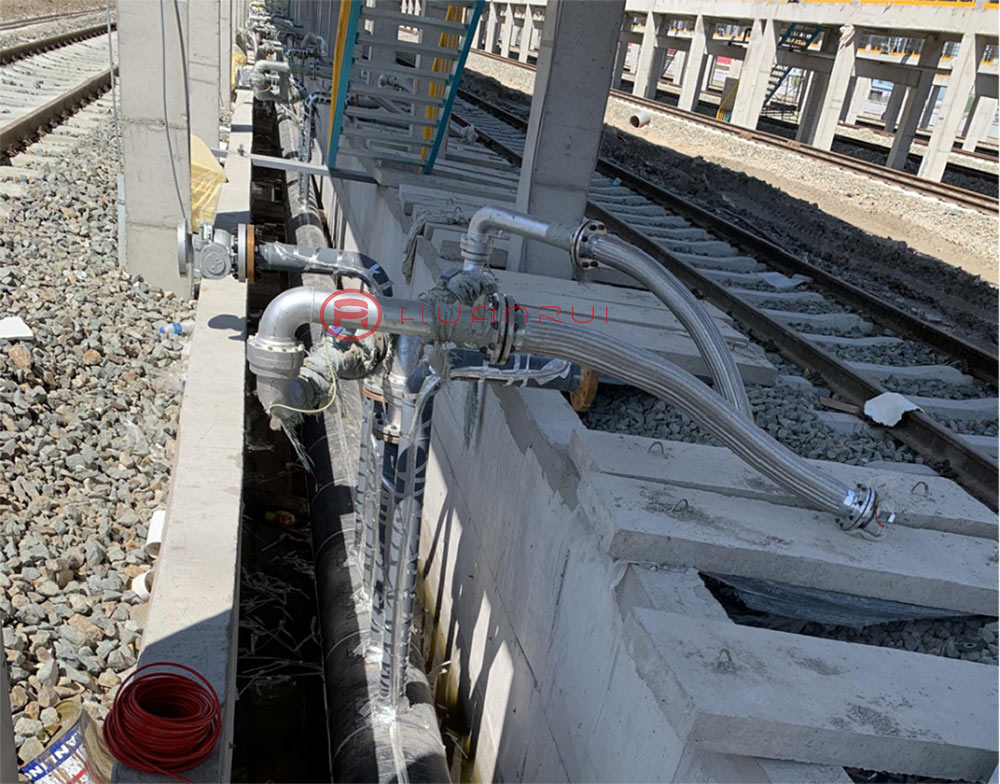
In chemical processes, temperature control of reaction liquid transportation pipelines directly affects chemical reaction rate, conversion rate and product purity. Most reaction media are temperature-sensitive, and some materials are prone to crystallization, polymerization or thermal decomposition. Temperature drop or uneven temperature in pipelines will lead to material precipitation and pipeline blockage, incomplete reaction, increased by-products and other process problems. Local overheating may cause material decomposition and bring potential safety hazards. As a constant temperature process solution, electric heat tracing is widely used in chemical reaction liquid pipelines. Compared with ordinary freeze protection heat tracing for pipelines, process heat tracing has stricter requirements on product selection, construction, safety and temperature control.
1. Electric heat tracing selection must match medium, process temperature and explosion-proof zone
Product selection shall not only refer to pipe size and ambient temperature. The physical and chemical properties of reaction liquid shall be confirmed first. For corrosive media, the chemical resistance of the heating cable sheath shall be verified. For materials prone to polymerization and thermal decomposition, the maximum surface temperature of heating cables shall be strictly limited to prevent thermal degradation of media.
Meanwhile, the explosion-proof zone classification of the plant shall be checked, and heat tracing products with corresponding explosion-proof grade shall be adopted. Distinguish self-regulating heating cables and constant-wattage heating cables according to process holding temperature. Self-regulating heating cables are preferred for low temperature constant temperature scenarios; constant-wattage heating cables are suitable for long-distance pipelines and high temperature process constant temperature scenarios. Heat loss calculation of pipelines must be completed before selection, with reasonable power margin reserved.
2. Supporting design of insulation and outer protection structure
Insulation layers such as glass wool, rock wool and polyurethane foam shall be wrapped after laying heating cables. The insulation thickness is determined according to heat loss calculation results to reduce heat loss. Insulation and outer protection materials shall adapt to the corrosive atmospheric environment on site, preventing insulation structure from erosion by corrosive gas and process spray liquid. A waterproof and corrosion-resistant outer jacket is arranged outside the insulation layer to prevent rainwater and process spray liquid from penetrating into the insulation layer and causing damp damage to heating cables. Fittings such as valves, flanges and tees dissipate much heat, so separate power compensation is required to avoid crystallization caused by low local temperature.
3. Hierarchical temperature control and over-temperature protection
Process heat tracing cannot only adopt simple temperature on-off control. It is recommended to monitor pipe wall temperature, set working temperature range and add an independent over-temperature protection circuit. Two sets of temperature measuring elements are independent of each other. The temperature control monitors pipe wall temperature to limit the surface temperature of heating cables. When the pipe wall temperature exceeds the safety threshold, the heat tracing power supply will be cut off directly to avoid overheating decomposition of reaction liquid. Temperature probes shall be fixed closely to the pipe wall with heat insulation treatment to ensure that the measured temperature truly reflects the material temperature inside the pipeline and reduce measurement error.
4. Strictly implement explosion-proof construction specifications
Most reaction liquid pipelines are located in explosive hazardous areas. Heating cables, junction boxes, end boxes and power boxes shall all be explosion-proof components. During laying, avoid scratching the insulation layer of heating cables by sharp edges and excessive bending. Self-regulating heating cables only allow partial limited overlap, and large-area multi-layer overlap will still cause overheating. Constant-wattage heating cables are forbidden to be laid with crossing and overlapping. Wiring positions shall be far away from material discharge ports, and cable seals shall be well blocked to prevent flammable and explosive gas from entering junction boxes. Insulation resistance test shall be carried out after construction, and the system can be put into use only after acceptance.
5. Establish inspection, online monitoring and shutdown management mechanism
Daily inspection focuses on insulation resistance, damage of insulation outer jacket and damp or material accumulation in junction boxes. For key process pipelines, an online temperature monitoring system can be installed to view pipeline temperature curves in real time, and detect hidden dangers such as heat tracing failure and local low temperature in advance. During system shutdown and maintenance, do not cut off power directly to allow temperature drop. The cooling rate shall be controlled in accordance with process specifications to prevent rapid material crystallization and wall adhesion. When restarting operation, heat up slowly as required to avoid process fluctuation caused by sudden temperature rise.
Conclusion
Electric heat tracing for chemical reaction liquid pipelines belongs to process heat tracing. Its core purpose is not only freeze protection, but to maintain stable temperature of transported media, balancing process stability and production safety. Carry out product selection combined with medium characteristics, equip reasonable insulation and outer protection structure, configure reliable temperature control and over-temperature protection, standardize explosion-proof construction and implement regular operation and maintenance management. Only in this way can the stable chemical production be continuously guaranteed, and various risks such as pipeline blockage and material deterioration be avoided.
Table of Contents
- 1. Electric heat tracing selection must match medium, process temperature and explosion-proof zone
- 2. Supporting design of insulation and outer protection structure
- 3. Hierarchical temperature control and over-temperature protection
- 4. Strictly implement explosion-proof construction specifications
- 5. Establish inspection, online monitoring and shutdown management mechanism
- Conclusion