 EN
EN

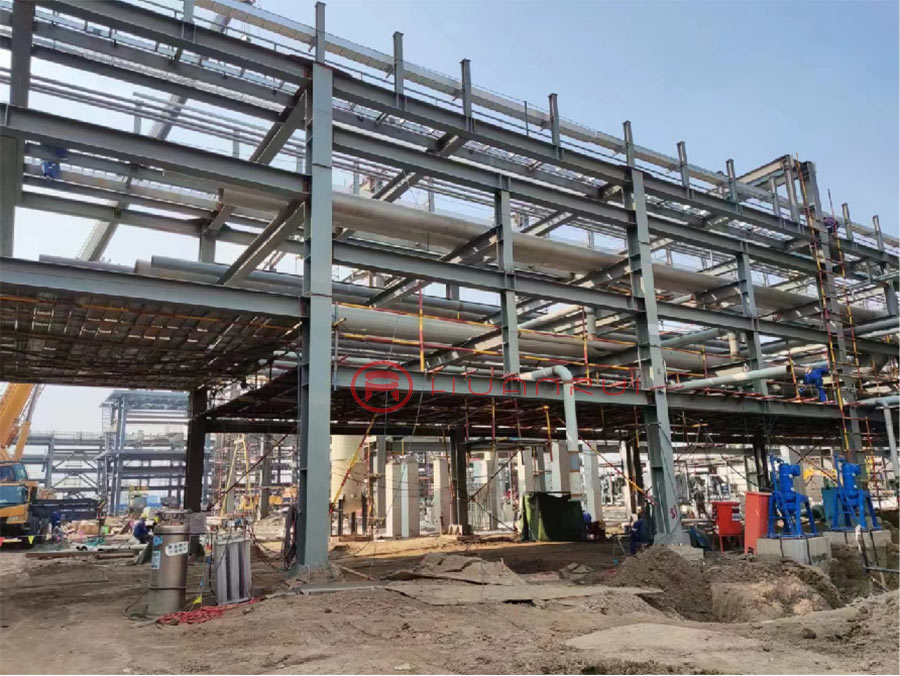
Explosion-proof heating cables are special heat tracing products designed for explosive hazardous areas. With explosion-proof structure, temperature-limiting technology and sealed protection, they eliminate the risk of electrical ignition sources. They can operate stably in Zone 0, Zone 1 and Zone 2 hazardous areas containing flammable gas, volatile vapor or combustible dust. Unlike ordinary freeze protection heating cables, they not only realize freeze protection and thermal insulation for pipelines and equipment, but also comply with GB, IEC, ATEX and other explosion-proof standards to achieve process temperature control. They solve problems such as medium condensation, crystallization, pipeline blockage and process parameter deviation, serving as safe heat tracing solutions for high-risk working conditions in energy and chemical industries. The typical application scenarios of explosion-proof heating cables are listed below.
1. Oil and Gas Industry
Oil and gas extraction, gathering stations, refineries and long-distance pipeline areas contain flammable hydrocarbon mixtures, mostly classified as Zone 1 and Zone 2 explosive hazardous areas. Explosion-proof heating cables are used for process heat tracing and freeze protection of crude oil, natural gas and condensate pipelines, wellhead equipment, pressure regulating valves, metering instruments, sampling lines and auxiliary tank pipelines. They effectively restrain crude oil wax deposition, medium condensation, pipeline freezing and failure of monitoring instruments, ensure stable oil & gas transmission pressure and accurate measurement, and meet explosion-proof safety specifications for the oil and gas sector.
2. Fine Chemical and Petrochemical Industry
Chemical reaction sections, material transportation and tank storage areas often contain volatile flammable and explosive media such as alcohols, benzenes and esters. Workshops are divided into explosion hazardous zones, and all electrical equipment must hold valid explosion-proof certificates. Explosion-proof heating cables are applied for constant temperature tracing and freeze protection of reaction material pipelines, process pipelines, acid & alkali pipelines, sewage pipelines and various storage tanks. They maintain medium fluidity, prevent pipeline blockage caused by material crystallization and solidification, and stabilize reaction conditions. Products can be equipped with corrosion-resistant outer jackets to meet explosion protection, corrosion resistance and process temperature control requirements simultaneously.
3. Biopharmaceutical and Fine Food Industry
Pharmaceutical and fine food processes use flammable organic solvents such as ethanol and acetone. Batching, extraction and purification sections are local explosion hazardous areas with strict requirements for production cleanliness. Ordinary heating products lack explosion-proof certification and their jackets tend to release impurities, which makes them unsuitable. Explosion-proof heating cables adopt sealed explosion-proof structure and clean outer jackets for constant temperature tracing of process pipelines, batching tanks and sampling lines. They stabilize process temperature under explosion safety conditions without contaminating materials, satisfying both explosion protection and clean production standards.
4. Ships and Offshore Platforms
Offshore oil & gas platforms and chemical carriers operate in high-humidity salt spray environments. Flammable oil and gas exist in cabin and deck areas, bringing strict requirements for explosion protection and corrosion resistance. Explosion-proof heating cables are used for freeze protection of deck pipelines, valves and instrument pipelines. Equipped with seawater-resistant outer jackets, they adapt to marine salt spray corrosion, run safely within ship explosion zones, prevent pipeline blockage and keep on-board process and monitoring systems working continuously.
5. Underground Mines
Underground mining environments are complex. Some mines contain explosive gas mixtures such as mine gas, classified as mine explosion hazardous areas. Explosion-proof heating cables are used for freeze protection of underground ventilation pipelines, drainage pipes and monitoring instruments. Products comply with relevant mine explosion-proof standards to avoid pipeline blockage which may affect underground drainage and ventilation systems, and guarantee underground operation safety.
Conclusion
Explosion-proof heating cables provide freeze protection and process constant-temperature solutions for various explosive hazardous areas. During project selection, it is necessary to match the on-site explosion temperature class, chemical properties of media and environmental corrosion level. Installation and construction must strictly follow explosion-proof engineering specifications to ensure long-term safe and stable operation of industrial systems.