Home > Products > Industrial Heat Tracing > Industrial Heat Tracing Accessories
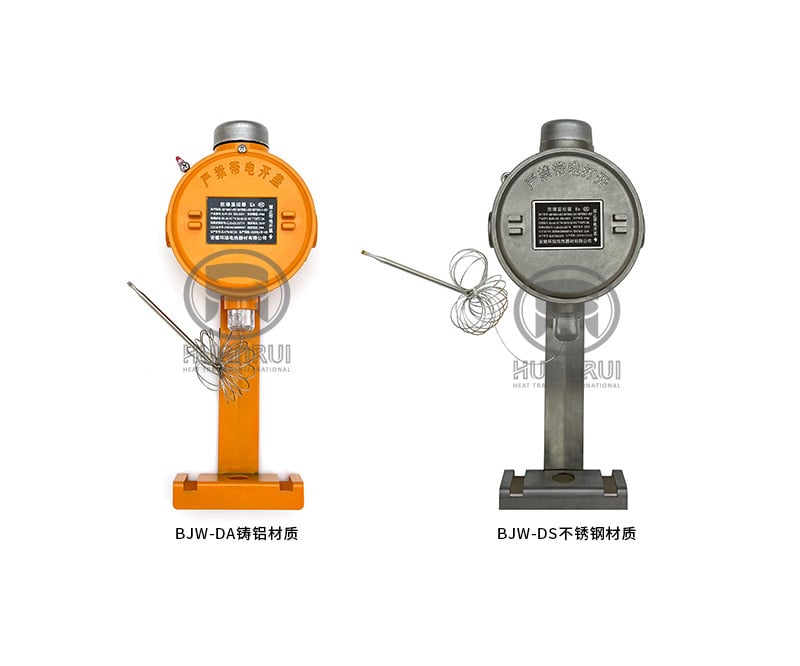
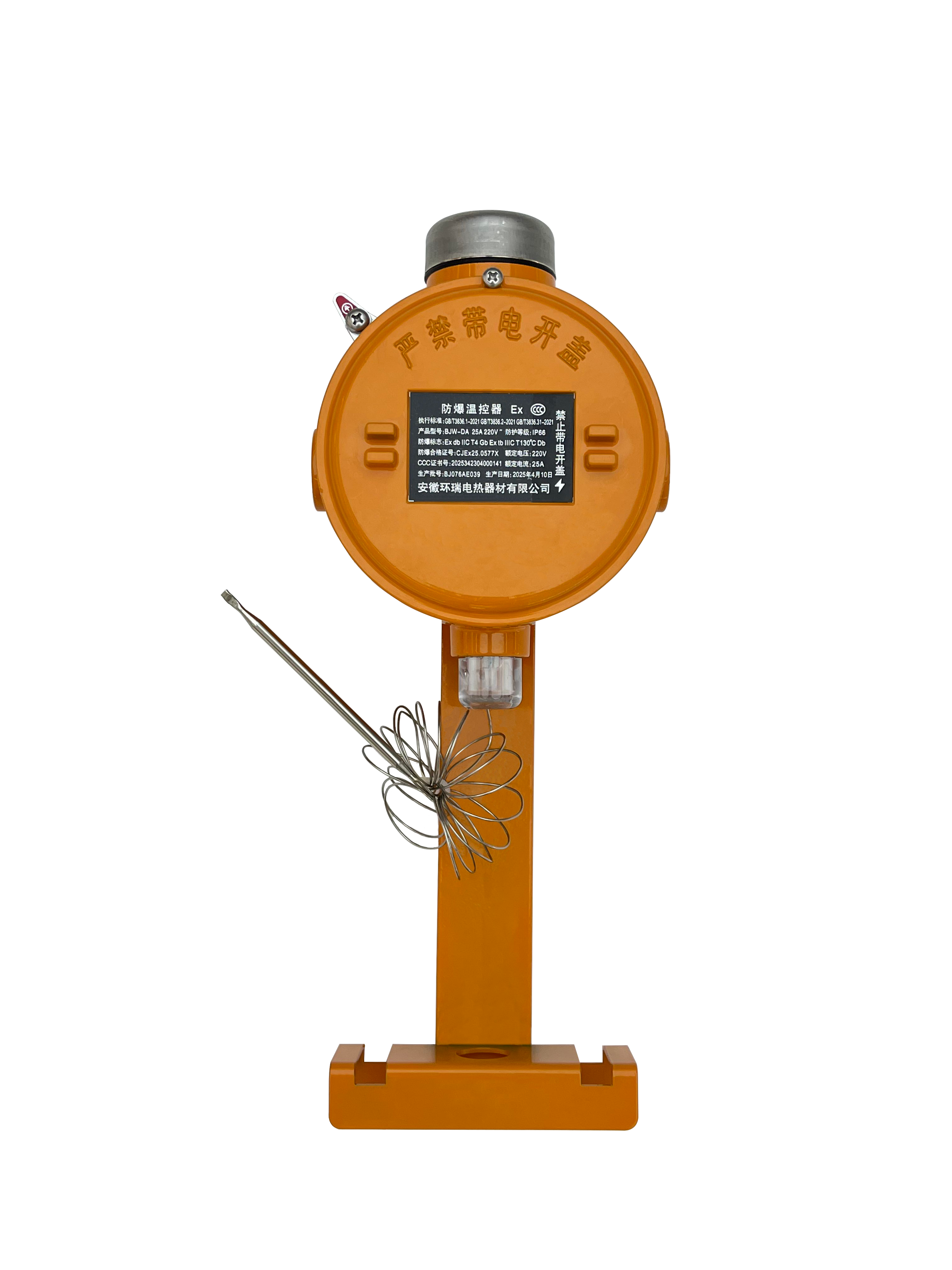
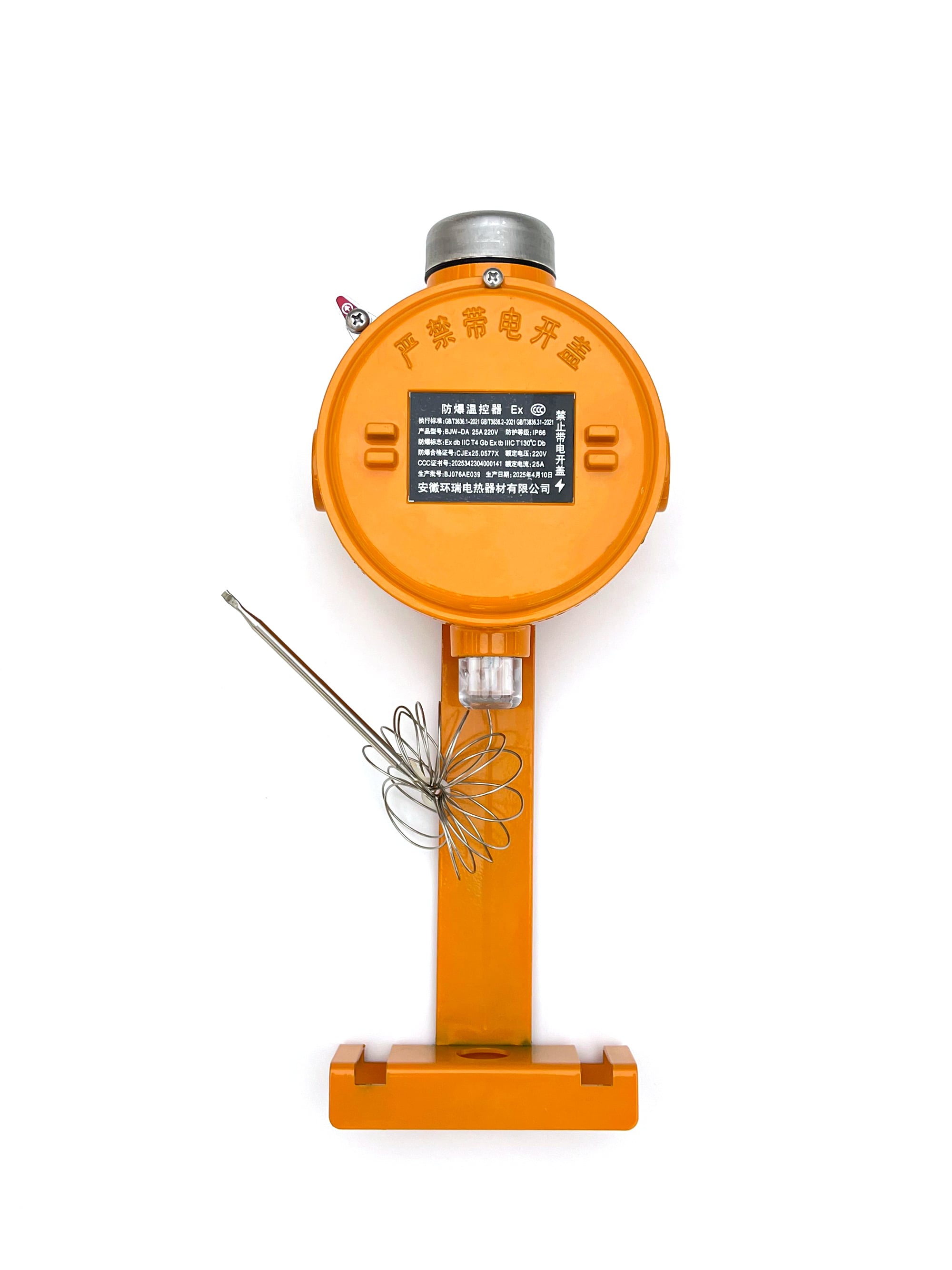
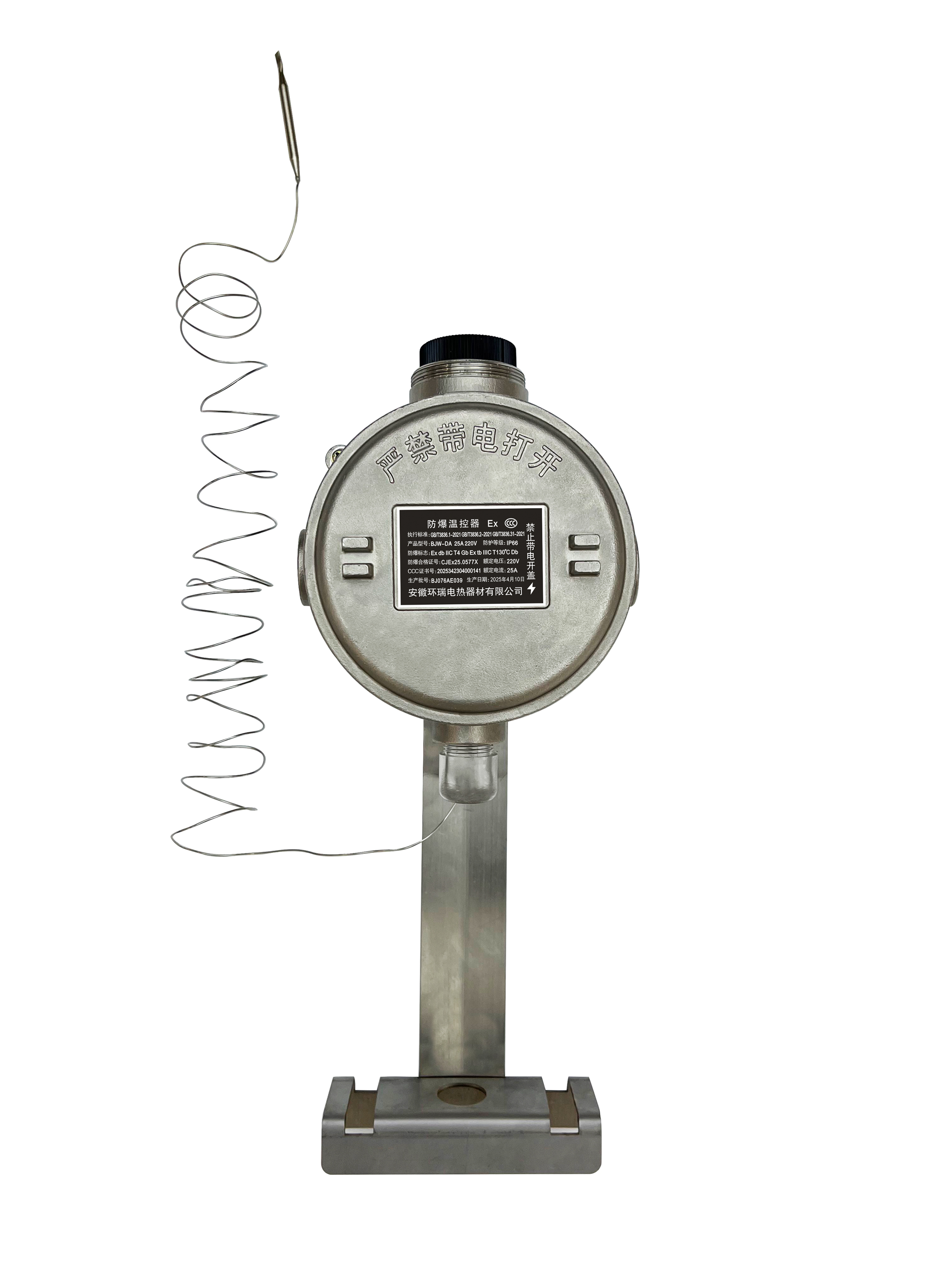
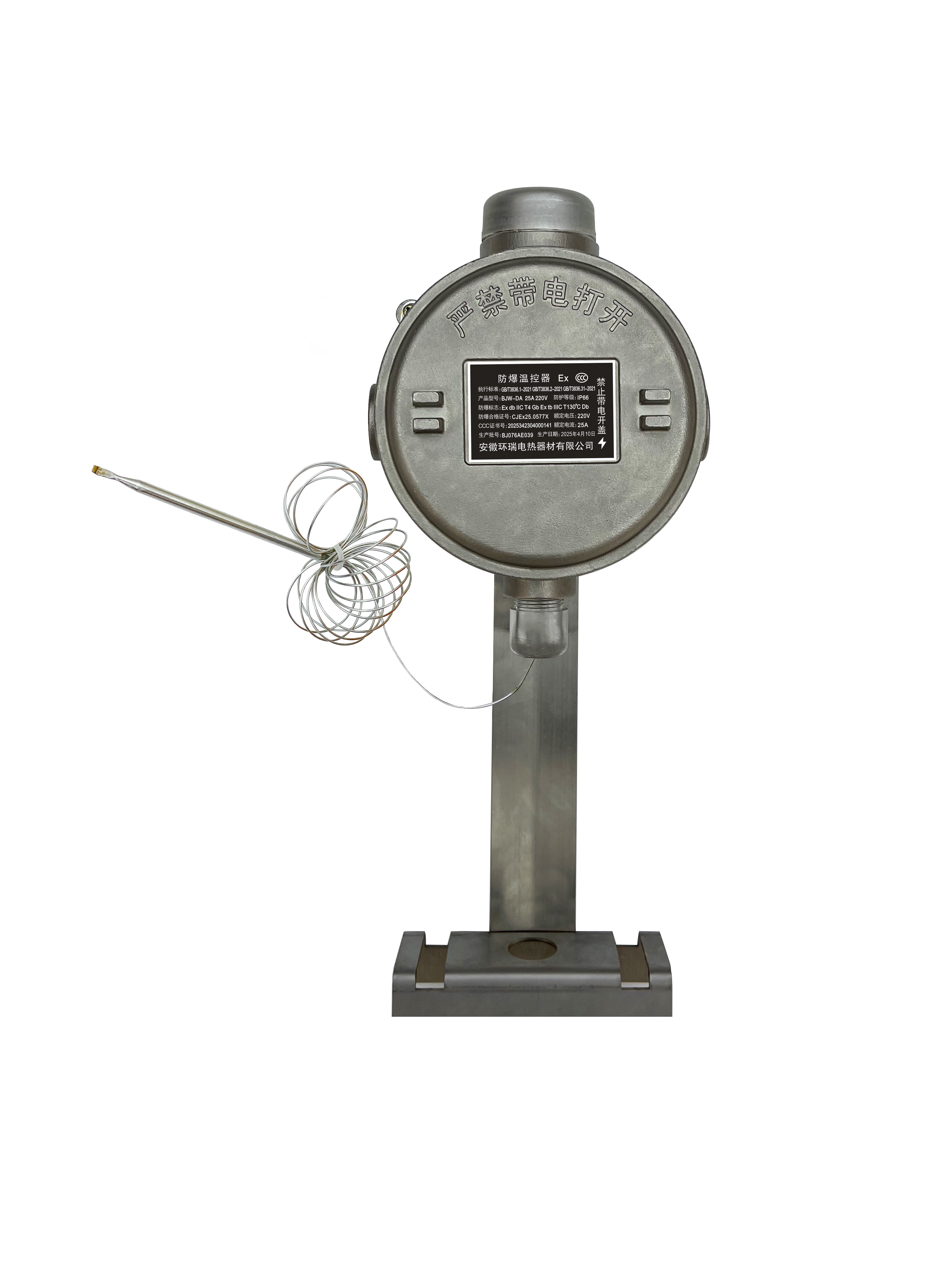
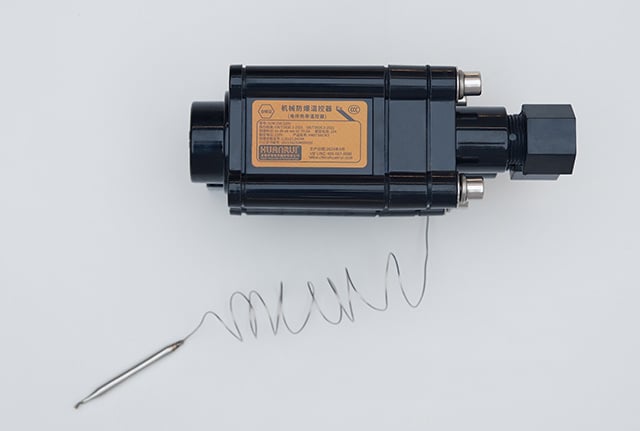
The BJW-DA/DS explosion-proof thermostat uses a mechanical thermostat as the core component. It achieves temperature control based on the thermal expansion and contraction characteristics of bimetallic strips combined with mechanical contact switches. With simple structure and high reliability, it is suitable for basic temperature regulation scenarios and specially designed for temperature monitoring and control in industrial environments. Featuring explosion protection, corrosion resistance and high stability, it can be applied in petroleum, chemical, pharmaceutical and other sites requiring explosion-proof protection.
Technical Data
Model: BJW-DA/DS
Control Accuracy: ±3°C
Housing Material: 304/316 Stainless Steel (Corrosion Resistant), Cast Aluminum
Explosion-Proof Marking: Ex db IIC T4 Gb, Ex tb IIIC T130°C Db (Compliant with GB3836 Standards)
Contact Rating: AC 220 V / 25 A
Ingress Protection: IP66 (Dustproof and Waterproof)
Mounting Method: Bracket Mounting
Switch Type: Single-pole Double-throw
Cable Entry Size: M25×1.5×2
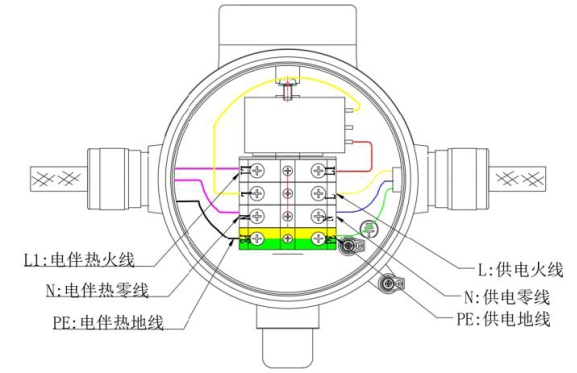
Wiring Diagram
Operation Instructions
1.Installation Precautions
Environmental requirements: Avoid locations with strong magnetic fields and severe vibration.
Wiring specifications: Ensure the power supply is disconnected before wiring; cables shall be led in through explosion-proof sealing glands.
Temperature sensing probe: It must be in direct contact with the measured medium or closely attached to pipeline/tank surfaces to ensure good thermal conductivity.
2.Temperature Setting Procedure
Open the top cover of the thermostat and rotate the knob until the dial points to the target temperature value (e.g. 20°C).
When the medium temperature reaches the set value, the thermostat will automatically cut off or switch on the circuit (depending on normally open / normally closed model).
3.Calibration and Maintenance
Periodic calibration: Calibrate against a standard thermometer every 12 months. If the error is excessive, return the unit to the factory for adjustment.
Cleaning maintenance: Wipe the housing with a soft cloth. The use of strong acid or alkaline cleaning agents is prohibited.
Inspection method for normal operation of temperature sensing element: Set the multimeter to resistance mode and connect probes to terminals L and L1. Rotate the temperature adjustment knob from low to high. When approaching the ambient temperature scale (sensor exposed to air), an audible click of contact actuation can be heard. Meanwhile, the multimeter reading changes from open circuit to conductive state, indicating normal function. If no reading change occurs, the temperature sensing element is damaged.

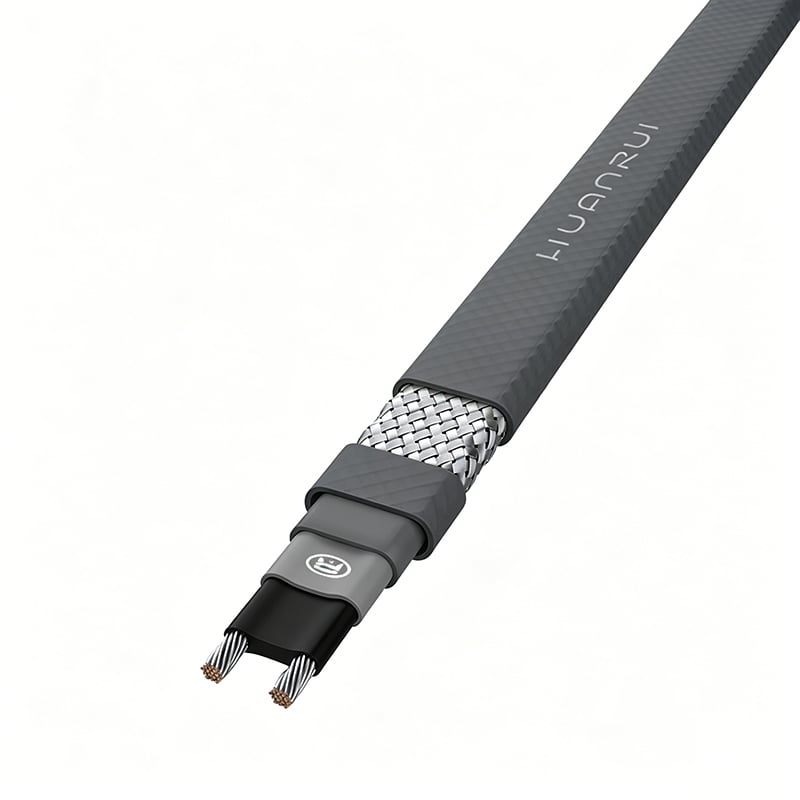
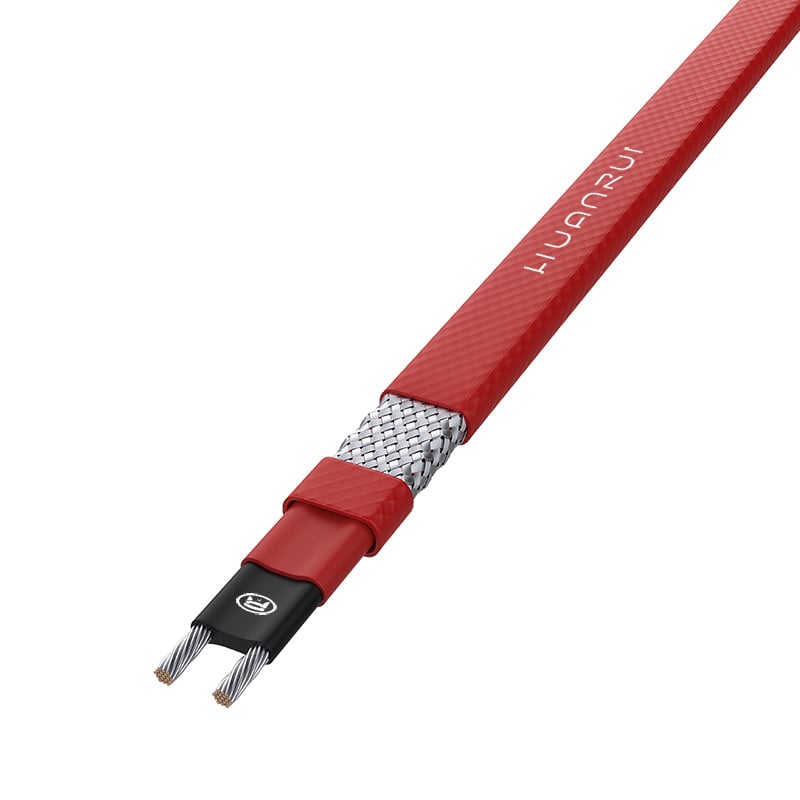
Anhui Huanrui Heating Manufacturing Co.,Ltd provides self-regulating and constant wattage heating cables for industrial and residential applications. Our certified solutions offer reliable freeze protection and temperature maintenance. Trusted by global clients. Contact us today.
Jingsan Road, Feidong Economic Development Zone, Hefei
Copyright © 2025 by Anhui Huanrui Heating Manufacturing Co.,Ltd Privacy Policy
 EN
EN