 EN
EN

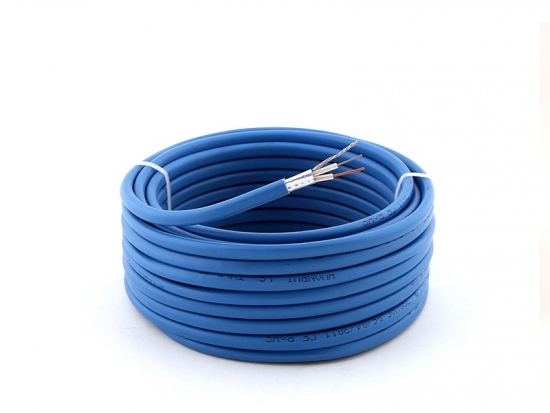
Heating solutions for commercial buildings need to balance energy efficiency, construction speed, occupant comfort and long-term operational stability. Electric floor heating mats are widely adopted in offices, hotels, medical institutions, retail stores and public infrastructure projects. They deliver uniform heat distribution across the floor, operate silently and generate no dust circulation unlike forced-air heating systems. However, electric floor heating mats vary greatly in performance. Architects, contractors and facility managers can select the optimal heating system for various commercial projects only by clarifying differences in heating core technology, power density and installation methods. Specializing in mature constant-wattage floor heating solutions, Anhui Huanrui boasts a complete portfolio of heating mats that can meet the heating demands of all mainstream commercial working conditions.
Core Features of Constant-Wattage Heating Mats
Constant-wattage heating elements represent the mainstream technical solution for commercial electric floor heating mats. Constant-wattage mats output fixed power per square meter, unaffected by floor surface or ambient temperatures. Without segmented timing or zoning thermostats, continuous full-power operation may lead to energy waste in spaces with fluctuating occupancy or floor coverings of varying thermal resistance. When equipped with programmable zoning thermostats and connected to building management systems, constant-wattage systems deliver excellent energy efficiency for facilities requiring round-the-clock constant temperature, covering most commercial operation scenarios.
Constant-wattage heating mats feature stable long-distance heat transfer and consistent maximum surface temperature, with no risk of power attenuation after long-distance laying. This strength makes them highly suitable for large-area venues requiring non-stop heating such as hospitals, shopping malls and exhibition halls. Anhui Huanrui’s constant-wattage floor heating mats are specially optimized for commercial scenarios demanding long-term steady temperature maintenance.
Power Density and Matching Principles for Commercial Scenarios
Power density (W/m²) serves as a core selection parameter. It cannot be determined solely by building type, and shall be calibrated comprehensively based on multiple factors including local minimum outdoor temperature, building insulation grade, door and window tightness, floor covering materials and floor height.
Residential bathrooms generally adopt 150–200 W/m² for rapid temperature rise, while commercial projects have diversified requirements:
Offices with moderate heating demand covered by carpet or laminate flooring: 100–130 W/m² to provide basic constant temperature while controlling energy consumption;
Hotels and hospitality venues: 130–160 W/m² to create a stable and comfortable underfloor heating experience for guests;
Hospitals and clinics requiring sterile constant-temperature environments and frequent cleaning and disinfection: 150–180 W/m²;
Warehouses, loading docks and semi-open commercial areas with anti-freezing requirements: higher power density models are required.
Anhui Huanrui’s full T-mat series covers all the above power density grades, enabling differentiated and precise selection for different functional zones within a single building. The company owns a 50,000-square-meter manufacturing plant and a CNAS-accredited testing laboratory that conducts standardized thermal performance tests to ensure uniform heat output across the entire surface of every heating mat.
Installation Methods and Compatibility with Civil Construction Works
Commercial projects usually face tight construction schedules, making installation efficiency a key evaluation indicator. There are two mainstream thickness-based laying schemes for heating mats, each with unique advantages and limitations.
Thin-profile heating mats (3–5 mm thick)
They can be laid directly under tiles and stone with thin mortar layers, resulting in minimal floor height increase. This makes them ideal for renovation projects with strict limits on floor elevation changes. Their disadvantage lies in weak heat storage capacity, which may lead to higher overall energy consumption under frequent temperature adjustment conditions. Construction specifications must be followed: cutting is only allowed at cold lead sections, and overlapping lengths shall comply with official standards to avoid overheating risks.
Thick heating mats embedded in concrete screed
Suitable for new construction and large-scale overall renovation projects. The concrete layer acts as a heat storage medium with excellent thermal mass, allowing the system to maintain comfortable floor surface temperature at low average power. This solution fits large-area spaces requiring consistent heating across wide floors, such as commercial atriums, shopping mall corridors and airport terminals. Supporting construction requirements include sufficient concrete protective thickness and complete waterproof and moisture-proof structures.
Anhui Huanrui T-mat floor heating mats support both thin mortar direct laying and concrete screed embedding construction processes. All mats are equipped with flexible mesh backing to fit uneven base floors. The standardized field-cut design allows installation around columns, fixed equipment and architectural features without damaging internal heating cores.
Energy Efficiency and Supporting Control Systems
The overall energy consumption of electric floor heating mats is jointly determined by heating mat technology and matching control systems. Different thermostat types fit projects of various scales and operation modes.
Basic on-off thermostats: Suitable for small independent shops that fully shut down heating overnight, featuring low configuration costs and meeting basic heating demands;
Programmable timing thermostats: Support customized heating schedules according to building occupancy, e.g., heating activated only on workdays for offices with temperature reduction at night and on weekends;
Smart thermostats with Wi-Fi connection and weather compensation algorithms: Adjust heat output based on outdoor weather forecasts and real-time indoor temperatures, delivering remarkable energy-saving effects for large multi-zone commercial buildings;
Independent zoning control: Divide large floor areas into multiple separately controlled zones to avoid unnecessary heating for unoccupied spaces and cut redundant power consumption.
All floor heating mat systems from Anhui Huanrui are compatible with mainstream commercial control platforms and support connection to Building Management Systems (BMS). Centralized monitoring and unified regulation of heating status across multiple zones, floors or even buildings can be realized to help facility managers conduct refined energy consumption control. Properly matched zoning and timing controls can effectively reduce redundant power consumption of constant-wattage floor heating systems.
5. Safety Certifications and Long-Term Operational Reliability
Commercial heating equipment must comply with strict global safety standards and deliver long-term stable performance. Compliance with certifications required by target markets is a primary precondition for project delivery, and all certifications are issued after comprehensive tests covering electrical safety, electromagnetic compatibility and mechanical durability.
The outer sheath material of heating mats determines applicable working conditions, with trade-offs between cost and performance for each type:
PVC sheath: Cost-effective, suitable for general indoor commercial scenarios;
Fluoropolymer sheath: Outstanding chemical resistance, applicable to food processing and industrial commercial spaces with frequent contact with cleaning agents.
Anhui Huanrui’s complete T-mat series holds CE, EAC and CSA certifications. Backed by 18 years of professional manufacturing experience and a full set of comprehensive testing systems, Huanrui’s commercial floor heating mats guarantee stable performance for decades of operation.
Conclusion
Selecting electric floor heating mats for commercial spaces requires comprehensive evaluation of four dimensions: power density grade, installation scheme, control configuration and regional certification compliance. Constant-wattage heating mats deliver stable and reliable long-term heating performance for all types of commercial buildings, while thin-profile mats shorten construction cycles for renovation projects. Matching intelligent zoning and building management control systems maximizes the energy-saving potential of the entire heating system, and complete safety certifications ensure compliance with local regulatory standards.
Specializing in mature constant-wattage floor heating mats, Anhui Huanrui provides customized products for all types of commercial operation conditions. By selecting Huanrui mats tailored to the actual heating demands of different commercial zones, architects and facility managers can create comfortable, energy-efficient and durable underfloor heating systems that enhance building value and occupant satisfaction over the long run.