 EN
EN

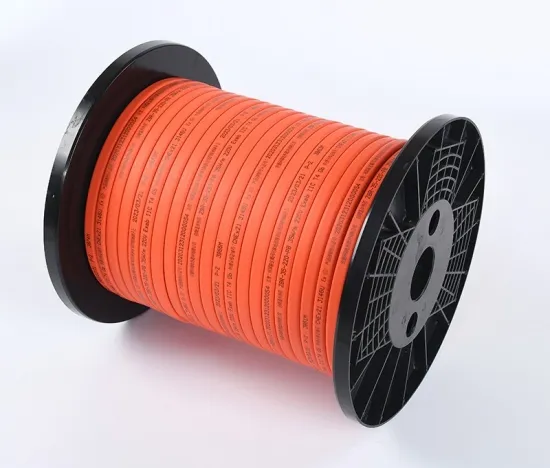
Beautiful winter snowscapes come with hidden risks to roofs and gutters. Ice dams, hanging icicles and frozen downspouts commonly cause water seepage and structural deterioration, leading to costly repair expenses. Roof and gutter heating cables deliver an effective remedy for such freeze-related damages. Among available options, self-regulating roof and gutter heating cables stand out with outstanding energy efficiency, reliable safety and intelligent temperature control for frigid, snowy working conditions.
Working Principle of Roof & Gutter Heating Cables
Roof and gutter heating cables feature a straightforward and functional operating principle: electric current passes through the cable to generate heat, melting accumulated snow and ice along roof edges, inside gutters and within downspouts. This creates continuous drainage passages for meltwater and prevents ice buildup fundamentally.
The core heating component of self-regulating heating cables is a proprietary conductive polymer matrix sandwiched between two parallel bus wires. The polymer automatically varies its electrical resistance with ambient temperature. When surrounding temperature drops, the polymer contracts to form extra conductive paths and raise heat output. When temperature rises, the polymer expands to reduce conductivity and cut heat generation. The cable modulates power output on demand: full-load heating kicks in at low temperatures while power is automatically reduced in milder weather, realizing targeted freeze protection without unnecessary energy waste.
Energy-Saving Performance Under Low-Temperature Conditions
Energy conservation constitutes the core merit of self-regulating gutter heating cables. Capable of automatic power adjustment responding to on-site ambient temperature, the product eliminates idle power consumption at source. Such superior energy efficiency directly cuts operational costs, as the cable never runs continuously at full rated load; it automatically scales down heat output during mild winter spells or after local snow melts. Field test data from multiple manufacturers proves self-regulating cables achieve over 30% power savings compared with constant full-power operation. Property owners gain all-round anti-freeze protection while keeping electricity costs under control.
Core Advantages for Roof and Gutter Applications
Uneven temperature distribution prevails across roof and gutter systems, with noticeable temperature gaps between sun-exposed roof surfaces and shaded sections, an environment ideally suited for self-regulating heating cables. Individual cable segments adjust power independently to enable zoned precise temperature regulation along the entire installation route.
Superior safety is another key strength: self-regulating cables permit overlapping installation without overheating hazards, fitting complex construction areas including roof valleys, irregular fascia edges and bent downspouts. The overlap-compatible property simplifies installation procedures and avoids thermal damage to roof materials. Even when covered by debris or thermal insulation, the self-limiting design restrains overheating and potential fire risks to guarantee trouble-free service throughout winter.
Installation Specifications for Maximized Operational Efficiency
Standardized installation is critical to secure optimal performance of the heating cable system. Prior to installation, thoroughly clear fallen leaves, twigs and sundries from gutters and downspouts; leftover residues trap moisture, block drainage routes and severely degrade heating efficiency.
Lay cables in a zigzag pattern along roof edges to fully cover ice-dam prone zones; install cables in straight or serpentine routing along gutter bottoms for uniform heat distribution. Inside downspouts, run cables all the way down to drain outlets to ensure unobstructed meltwater discharge away from buildings. Fasten cables with OEM clips or high-temperature-resistant adhesive tape at consistent spacing to eliminate uncovered gaps prone to icing. Never pierce cable insulation with nail guns.
Matching high-quality thermostats further improves energy efficiency. Smart controllers equipped with temperature and humidity sensors activate the heating circuit only under subfreezing or snowy weather to eliminate standby power waste. For projects requiring refined energy management, Wi-Fi-enabled thermostats are available to support remote access and automatic runtime scheduling based on weather forecasts.
Maintenance Guidelines for Heating Cable Systems
Routine maintenance prolongs service life and sustains stable efficiency. Complete a comprehensive cable inspection annually before winter to check for sheath abrasion, physical damage and loose connections. Clear all gutter and downspout debris every autumn to prepare the system for winter operation. Conduct a full-system commissioning test in early winter to verify proper heating of all cable sections and normal operation of control assemblies. Brief routine pre-season inspections effectively prevent equipment breakdowns and economic losses amid heavy snowstorms.
Conclusion
Roof and gutter heating cables are cost-effective solutions against winter freeze damage. Built around self-regulating technology, the product intelligently modulates heat output per ambient conditions to balance energy savings and installation convenience. For homeowners and property managers aiming to guard buildings against ice-dam-induced leakage and structural freeze damage, self-regulating roof and gutter heating cables provide stable, efficient intelligent anti-freeze protection even under extreme cold and heavy snowfall.