 EN
EN
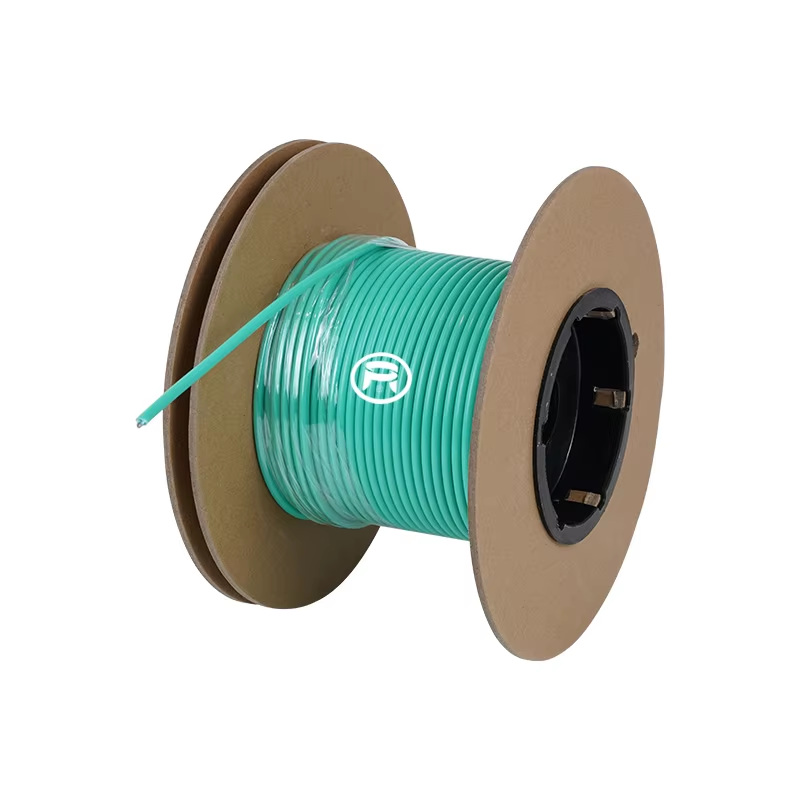
Heating cables are widely adopted across diversified industrial sites for pipeline freeze protection, process medium temperature maintenance and tank thermal preservation. Inferior uncertified heating cables with mismatched technical parameters may trigger electric leakage, overheating, equipment burnout and even catastrophic explosions under severe operating conditions. Therefore, selecting properly certified heating cables is not an optional suggestion but a mandatory requirement for industrial safety management.
Product Certification Consolidates Fundamental Industrial Safety from the Source
Product certification verifies that heating cables have passed comprehensive stringent type tests conducted by accredited third-party laboratories. Test items cover extreme working conditions including ultra-high temperature, water immersion, chemical erosion and mechanical crush, with strict assessments on electrical insulation, flame retardancy, thermal stability and mechanical robustness. Certified products comply with prevailing global electrical safety codes and effectively mitigate risks of short circuits, arc faults and thermal runaway on site. Meanwhile, complete technical datasheets and standardized installation instructions are available for certified products, enabling engineers to make accurate selections based on process medium, ambient temperature and hazardous area classification.
Major Domestic & International Certifications for Industrial Heating Cables
A variety of globally recognized safety certifications apply to heating cables, with differentiated applicable territories and application scenarios:
UL & CSA Certification: Mandatory market access credentials for the US and Canada to comply with rigorous North American electrical and fire codes. These two certifications enjoy partial mutual recognition, and customers may choose either or both per project demands.
CE Marking: Basic compliance mark for EU market access. General freeze-protection heating cables obtain CE under the LVD Directive, whereas CE marking for explosion-proof products must be supported by separate ATEX certification.
ATEX & IECEx: ATEX is the statutory mandatory explosion-proof certification for hazardous locations within the EU; IECEx is a globally harmonized voluntary certification widely specified for Sino-foreign chemical and petrochemical projects worldwide.
ABS & FM Certification: ABS certification is predominantly applied to whole marine system approval instead of single cable certification for shipboard projects; FM certification targets fire protection and high-risk chemical services and is not compulsory for ordinary industrial applications.
Potential Hazards of Uncertified Non-Standard Heating Cables
Uncertified heating cables are manufactured without standardized raw material and process control, bringing hidden dangers throughout their service lifespan. Substandard insulation ages and cracks rapidly under continuous energization and causes electric leakage; non-flame-retardant cables accelerate fire propagation once overheated. In explosive atmospheres with flammable gas or dust, the surface temperature of uncertified products may exceed the autoignition temperature of surrounding hazardous substances and lead to fire or blast accidents. Furthermore, critical parameters such as minimum bending radius and maximum withstand temperature are usually absent from non-certified products, resulting in improper installation and latent risks.Industry failure statistics indicate heating cable accidents stem not only from unqualified non-certified goods; improper model selection and non-compliant installation of certified products account for more than half of on-site breakdowns.
Rational Selection of Certified Heating Cables According to Service Conditions
Certification matching shall be determined by destination market, hazardous classification and ambient environment:For projects exported to North America, UL or CSA listed self-regulating heating cables (including Ringrui’s self-regulating portfolio) are preferred.For high-risk explosive environments such as refineries and fine chemical plants: products with CNEX certification are required for domestic Chinese projects; ATEX-certified cables for EU export, and IECEx-certified variants for most overseas projects, all equipped with surface temperature limiting construction.
Standardized Installation & Maintenance of Certified Heating Cables
Product certification only confirms inherent product performance; non-standard installation will compromise the safety rating of the whole heat tracing system.
Installation
Construction shall strictly follow OEM technical specifications regarding minimum bending radius, laying spacing and shielding earthing requirements. For complete explosion-proof heat tracing assemblies, power connection kits, end seals and matched thermostats must feature identical explosion-proof grade and corresponding certification. For conventional freeze protection in general industrial and civil fields, auxiliary accessories only need to meet domestic GB electrical standards without identical certification as heating cables.
Routine Maintenance
Periodic inspection shall cover cable damage, water ingress and chemical corrosion, with all certification documents properly filed for regulatory audit. Regular tests on insulation resistance and earthing continuity are essential to guarantee reliable and safe operation throughout product service life.
Conclusion
Cost-cutting via adoption of uncertified non-standard heating cables is never advisable for industrial safety management. Fully certified heating cables come with traceable inspection records and are regulated by unified standards on raw material selection, production workmanship and safety performance, effectively protecting personnel, production equipment and factory premises against fire, explosion and thermal damage. End-users are recommended to source certified products from reputable manufacturers such as Ringrui, alongside strict control over product selection, field installation and regular maintenance. Product certification serves as the fundamental safeguard rather than the absolute guarantee of operational safety; full-process standardized management is indispensable to maximize the safety performance of heat tracing systems.
Table of Contents
- Product Certification Consolidates Fundamental Industrial Safety from the Source
- Major Domestic & International Certifications for Industrial Heating Cables
- Potential Hazards of Uncertified Non-Standard Heating Cables
- Rational Selection of Certified Heating Cables According to Service Conditions
- Standardized Installation & Maintenance of Certified Heating Cables
- Installation
- Routine Maintenance
- Conclusion