 EN
EN
1. Why Frozen Pipes Are a Serious Risk and What Reliability Really Means
Frozen pipes can burst and cause expensive water damage, disrupt daily life, and lead to emergency repair costs that quickly exceed thousands of dollars. A truly reliable pipe freeze protection solution must prevent freezing automatically, work in extreme cold, and operate safely for months without failure. Many traditional methods like foam insulation or simple heat tape only slow down heat loss; they do not add heat. Active protection, such as electric heating cables, actively supplies thermal energy to the pipe. For any region where temperatures drop below freezing for more than a few hours, active pipe freeze protection is the only dependable choice. Reliability also means consistent heating regardless of wind, snow, or power fluctuations. The best solutions are self-regulating, meaning they increase heat output when it gets colder and reduce heat when it warms up, saving energy while preventing freeze-ups.
2. Self-Regulating Heating Cables Versus Constant Wattage and Passive Methods
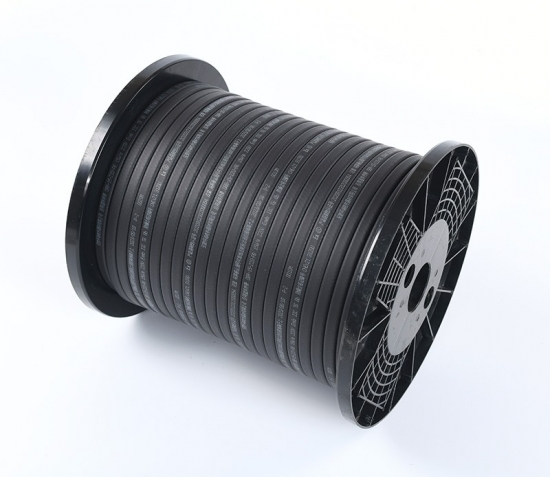
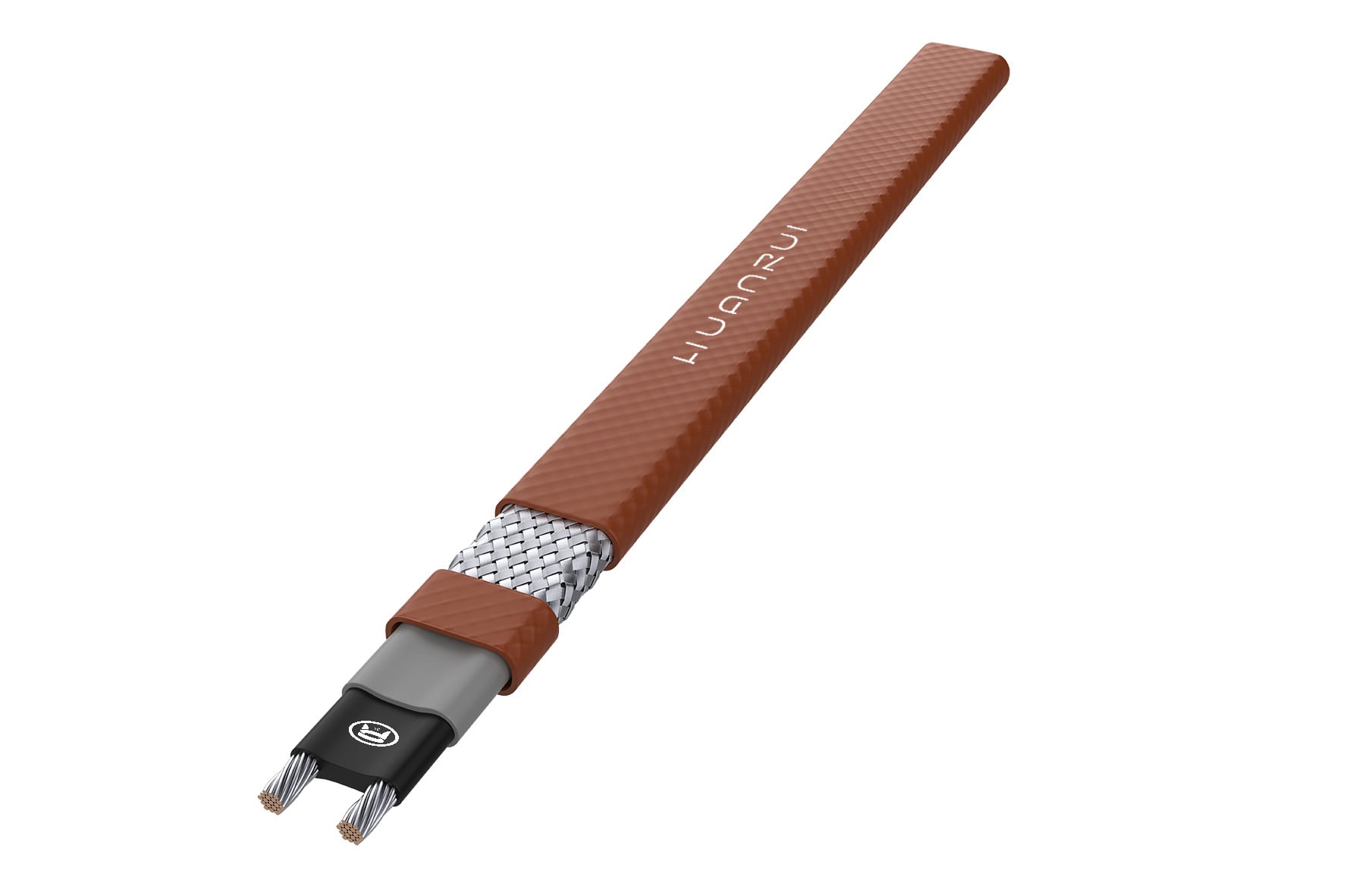
When comparing pipe freeze protection options, you will encounter constant wattage heating cables, self-regulating heating cables, and passive insulation. Constant wattage heating cables deliver the same heat level no matter the outside temperature. This can lead to overheating in mild conditions or insufficient protection during severe freezes. They also pose a fire risk if overlapped. Passive methods like thick pipe insulation or foam wraps do not generate any heat; they merely slow the freezing process. Self-regulating heating cables are different. Their power output changes automatically with temperature. As the pipe gets colder, the heating cable produces more heat. As the pipe warms, heat output decreases. This intelligent response makes self-regulating heating cables the most reliable pipe freeze protection for most homes and businesses. They are energy efficient, safe to overlap, and perform well in harsh winter conditions.
3. Key Factors for Choosing a Dependable Solution: Sizing, Installation, and Certifications
Even the best heating cable will fail if it is the wrong size or poorly installed. Start by measuring your pipe length and diameter accurately. Account for valves, flanges, and supports that need extra heating cable. Follow the manufacturer's spacing guidelines carefully. Always install approved insulation and waterproofing over the heating cable. A reliable solution also requires proper product certifications. Look for safety marks such as UL, CSA, or ATEX for industrial environments. Avoid unbranded heating cables without traceable quality records. In addition, consider durability. The heating cable jacket must resist moisture, UV rays if outdoors, and temperature swings. For residential use, a self-regulating heating cable with a built-in thermostat and grounded plug is often the best choice. For commercial applications, consider a system with remote monitoring and digital controllers. Test the entire system before freezing weather arrives. Check all connections, insulation, and power supply. Proper sizing and correct installation directly determine whether your pipe freeze protection will work when you need it most.
4. Energy Efficiency, Long-Term Savings, and Final Winter Checklist
A reliable pipe freeze protection solution should not waste electricity. Self-regulating heating cables only use full power when it is extremely cold; most of the time they run at reduced output. This can save hundreds of dollars over a single winter compared to always-on constant wattage heating cables. Always look for products with integrated thermostats or external controllers that activate heating only when needed. Before winter arrives, use this final checklist. Measure your pipe diameter and length. Determine the lowest expected temperature in your area. Choose self-regulating over constant wattage heating cables. Confirm that the product has proper safety certifications. Plan for waterproof insulation over the heating cables. Install according to the manual or hire a professional. Inspect the system annually before the first freeze. Following these steps will guarantee the most reliable pipe freeze protection this winter, saving you from costly repairs and giving you complete peace of mind.