 EN
EN

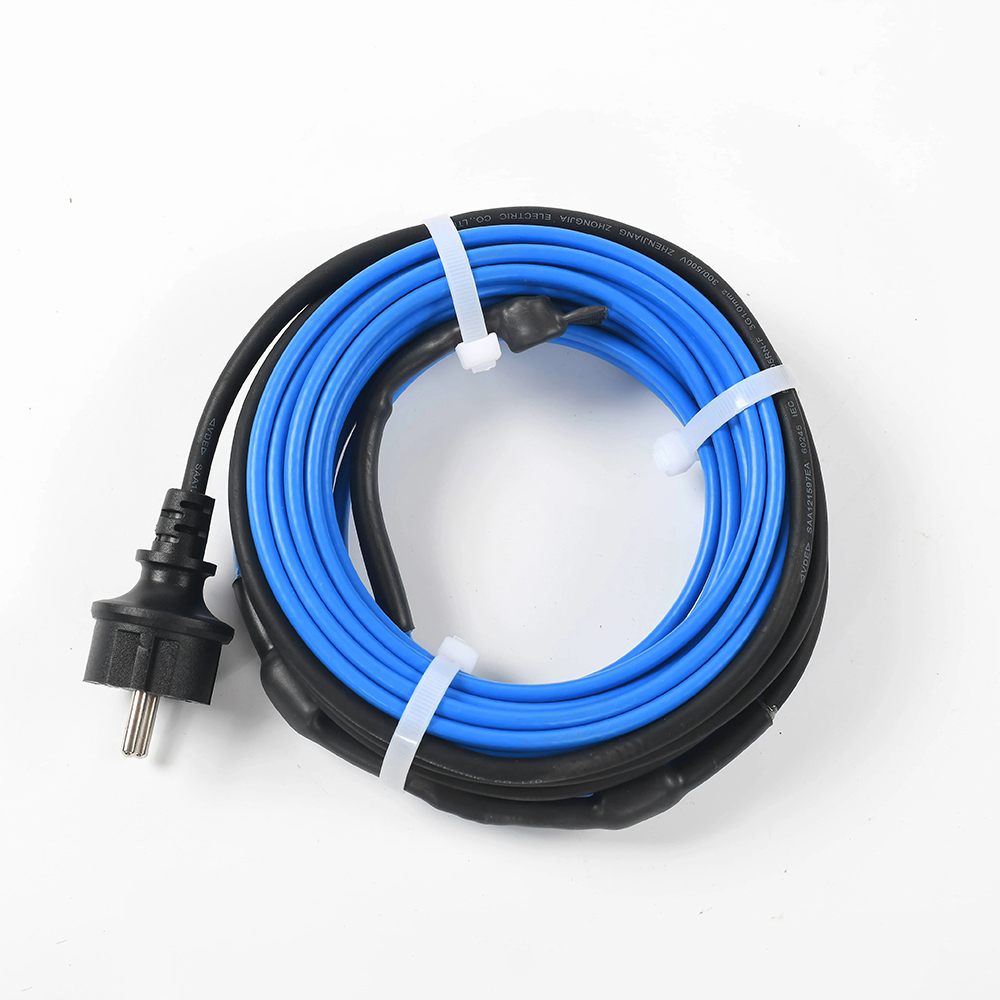
1. The Hidden Threat of Freezing to External Pipes
External plumbing systems face constant exposure to wind, moisture, snow, and dramatic temperature swings. Unlike indoor pipes that benefit from building heat, external pipes are fully vulnerable to the elements. When water inside a pipe freezes, it expands by approximately 9 percent. This expansion creates immense internal pressure, often exceeding the pipe’s structural limit. Even if the pipe does not burst immediately, the stress causes microscopic cracks to form in the pipe wall. Each subsequent freeze thaw cycle makes these cracks larger and deeper. Over time, the pipe loses its mechanical strength and fails prematurely. This failure can occur after only a few winters, especially in regions with repeated freezing and thawing. Proper pipe freeze protection stops ice from forming inside the pipe altogether. By maintaining a safe minimum temperature above freezing, the pipe never experiences freezing stress. Eliminating this stress alone can double or even triple the service life of exposed plumbing systems, saving property owners from costly replacements.
2. How Pipe Freeze Protection Prevents Material Fatigue and Corrosion
All plumbing materials, whether copper, PVC, PEX, or galvanized steel, undergo fatigue when repeatedly stressed. Freezing and thawing cycles act exactly like bending a metal wire back and forth until it snaps. With proper pipe freeze protection, the pipe temperature stays consistently above freezing. No cyclic stress means no fatigue accumulation. For example, a copper pipe that survives five winters without protection might develop invisible cracks and burst in the sixth winter. The same pipe with reliable freeze protection can last thirty years or more without any degradation. Beyond fatigue, freeze protection also reduces corrosion. When pipes freeze and then thaw, condensation forms on the exterior and interior surfaces. Micro cracks trap moisture, which accelerates rust and chemical corrosion. In steel pipes, corrosion can lead to pinhole leaks within a few years. In copper pipes, repeated freezing can damage the protective oxide layer. A properly protected pipe remains dry and thermally stable, significantly slowing down all forms of material aging.
3. Active Versus Passive Protection for Longevity
Passive protection such as foam insulation, fiberglass wraps, or simple heat tape without regulation only slows down heat loss. It does not add any heat to the pipe. In extended cold spells where temperatures remain below freezing for days or weeks, passive methods eventually fail. The pipe temperature will drop to match the ambient temperature, and freezing will occur. This leads to repeated micro damage cycle after cycle. Active pipe freeze protection uses electric heating cables or heat tracing systems that actively add thermal energy to the pipe. Among active solutions, self regulating heating cables are the best choice for maximizing lifespan. They automatically adjust heat output based on the surrounding temperature. When it is very cold, they produce more heat. When temperatures rise slightly, they reduce power output. This prevents overheating, which can also degrade some pipe materials such as PEX or certain coatings. Active protection ensures the pipe never reaches the freezing point, eliminating cyclic fatigue entirely. For external plumbing systems that must operate reliably for decades, active self regulating protection is the only logical choice.
4. Long Term Benefits and Best Practices for Maximum Lifespan
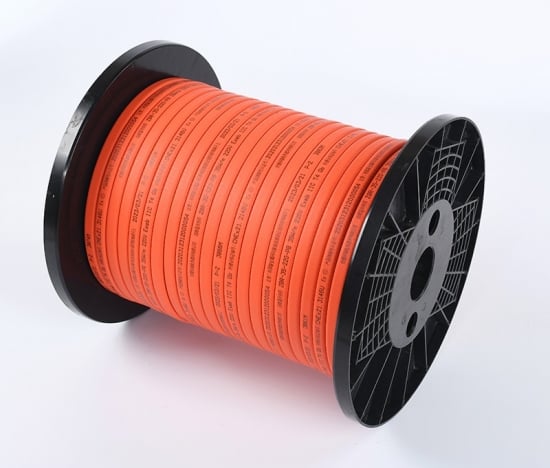
Investing in proper pipe freeze protection reduces repair and replacement costs dramatically. External plumbing systems in commercial buildings, agricultural facilities, hotels, and residential properties often require expensive excavation, scaffolding, or even demolition to access and repair damaged pipes. Preventing freeze damage avoids these costs entirely. Furthermore, extending the lifespan of external plumbing reduces material waste and supports environmental sustainability. To maximize lifespan extension, follow these best practices. First, choose self regulating heating cables with a durable outer jacket rated for UV exposure, moisture, and mechanical impact. Second, install proper thermal insulation over the cables. Insulation retains heat, improves energy efficiency, and protects the cable from physical damage. Third, use a thermostat or an electronic controller to activate the system only when temperatures approach freezing. This saves electricity and prevents unnecessary heating. Fourth, inspect the entire system annually before winter arrives. Check for physical damage to cables, crushed insulation, loose power connections, or signs of water ingress. Fifth, ensure the system is sized correctly for your pipe diameter, pipe length, local minimum temperatures, and exposure conditions. Undersized cables will fail to protect; oversized cables waste energy. Finally, document the installation and keep the manufacturer’s manual for future reference. Proper pipe freeze protection is not an expense. It is a long term investment that pays back through decades of trouble free service, reduced maintenance, and extended plumbing system lifespan.