 EN
EN
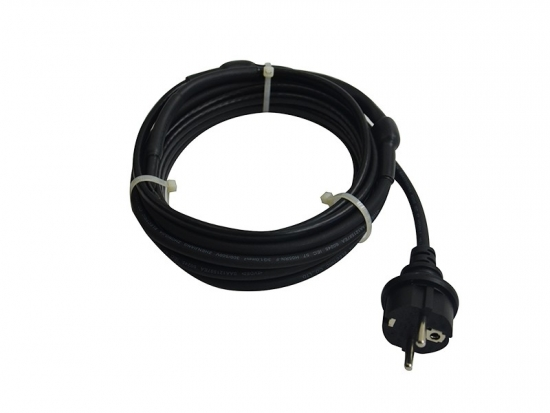
In high-risk industrial environments, including petrochemical plants, oil refineries, gas processing facilities and offshore platforms, heating cables play an indispensable role in stabilizing process temperatures and preventing pipeline freezing and blockage. However, deployed within explosive atmospheres, these products must do more than meet basic functional needs. They shall pass rigorous third-party certification to eliminate potential ignition risks. Without qualified certification, improper equipment selection may trigger severe consequences, such as explosions, fires, casualties and massive property losses.
1. Mandatory Compliance for Hazardous Areas
For facilities operating in explosive zones (Zone 1, Zone 2, or Class I, Division 1), explosion-proof certification for heating cables is not optional but a statutory requirement for market access and safe production.
Market Access Qualification: Global authoritative standards, including the EU ATEX Directive, IECEx international system, and North American UL/CSA norms, constitute the legal basis for equipment sales and installation in hazardous locations.Independent Third-Party Validation: Authorized bodies such as SGS, UL and TÜV conduct comprehensive testing to ensure the heating cables generate no sparks and maintain safe surface temperatures, even under fault conditions.Standardized Design Specifications: Products must comply with strict criteria specified in IEC 60079, covering electrical clearance, creepage distance, IP protection level and temperature classification (T-code).
2. Interpretation of Core Safety Markings
Certified heating cables are marked with standardized technical codes to define safe operating boundaries. Professional interpretation of these markings is essential for precise matching with on-site hazardous conditions. Taking the explosion-proof mark Ex eb IIC T4 Gb as an example:
Temperature Class T4: Maximum surface temperature ≤ 135°C. For media with lower auto-ignition points (e.g., carbon disulfide at 102°C), T5 (≤ 100°C) or T6 (≤ 85°C) heating cables are required.Gas Group IIC: Applicable to highly flammable gases such as hydrogen and acetylene, representing the highest explosion-proof grade.Equipment Protection Level Gb: Suitable for Zone 1, where explosive gas mixtures may occur during normal operation.
Professional engineering teams verify complete certification parameters rather than only checking certificate availability, to ensure full compatibility of heating cables with actual site conditions.
3. Proven Stability in Harsh Industrial Projects
Leading domestic industrial enterprises and key state-owned projects exclusively adopt fully certified heat tracing systems to secure high-value assets, with certification compliance as a core assessment indicator in supplier selection.
Strategic Supplier Recognition: CNPC, Sinopec and CNOOC prioritize manufacturers with complete international certification credentials. In early 2023, Anhui Huanrui successfully won the CNOOC national heat tracing framework agreement, covering landmark projects including the Kenli 10-2 Offshore Oilfield Platform. This breakthrough ended the long-term monopoly of Western brands in offshore heat tracing engineering. As officially documented by CNOOC, certified heat tracing solutions realize cost reduction and efficiency improvement, while maintaining stable operation of heating cables in the extreme marine environment of the Bohai Sea.
Domestic Substitution for High-End Equipment: Safety certification also underpins the localization of core anti-freezing technologies. Selected by CRRC, Anhui Huanrui supplies certified heating cables for the CR400 Fuxing Intelligent EMU, marking the wide application of certified safety heating cables beyond petrochemical industries to national key high-end equipment.
4. Full-System Safety Instead of Single-Product Performance
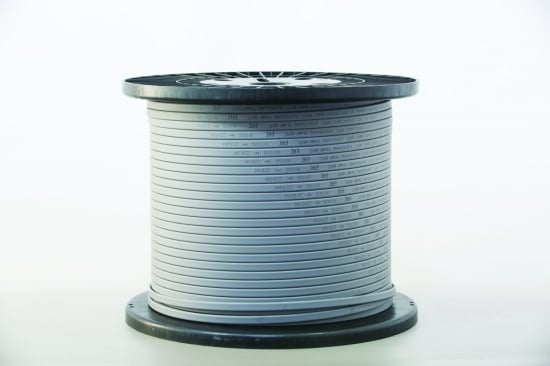
Industrial electric heat tracing safety relies on a closed-loop system rather than individual heating cables.
Complete Accessory Compatibility: Supporting components, including power connection boxes, end seals, junction boxes and thermostats, must hold matching explosion-proof certification. Certified heating cables paired with non-certified accessories will form critical safety hazards.Traceable Certificate Verification: Purchasing departments shall request original model-specific certificates and verify authenticity via official databases of authorized institutions such as UL and TÜV. Promotional brochures cannot serve as valid certification evidence.Authoritative Type Test Data: For key projects, complete type test reports shall be provided to verify product performance of heating cables under extreme conditions, including water immersion, mechanical impact, aging and fault simulation.
5. Hidden Risks and Losses of Uncertified Products
Uncertified or mismatched heating cables have repeatedly caused major industrial safety accidents. In explosive environments, tiny sparks from damaged or overheated heating cables can easily ignite volatile gases and vapors, leading to destructive fires and explosions. Such incidents result in equipment damage, personal injury, corporate reputation loss and huge economic losses. Meanwhile, regulatory penalties, legal liabilities and long-term production downtime far outweigh the marginal cost savings of unqualified heating cables.
Summary
In high-risk industrial sectors, safety certification is the fundamental safety guarantee for heating cables. It provides solid legal and technical support to protect personnel, ecological environment and high-value industrial infrastructure from major accidents. When selecting heat tracing products for explosive areas, enterprises must review the full certification chain — heating cables, accessories and overall system compatibility — in strict accordance with site classification, gas grouping and temperature requirements. In industrial safety, there shall be zero compromise.