 EN
EN

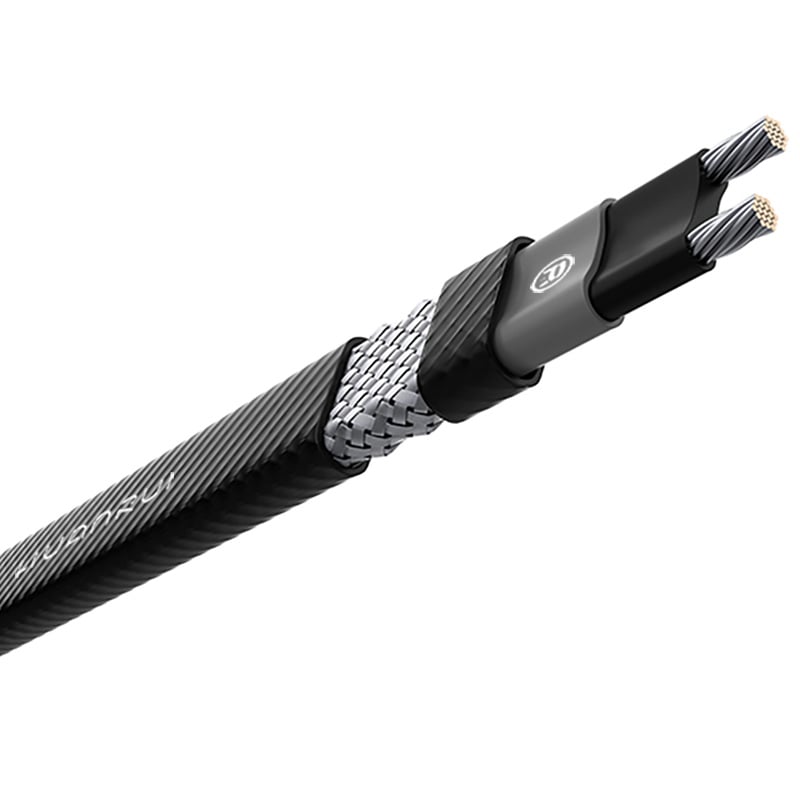
Industrial processing plants, offshore platforms, and wastewater facilities frequently expose thermal maintenance systems to high humidity, chemical vapors, and direct moisture ingress. Deploying trace heating tape in high-humidity settings demands strict engineering protocols to prevent moisture-induced tracking, insulation breakdown, and physical sheath degradation. Whether utilizing self-regulating or parallel constant wattage systems, field engineers must address outer jacket material selections, connection box sealing integrity, ground-fault protection, and continuous insulation testing. This technical guide outlines the critical operational and installation precautions required when specifying and maintaining trace heating tape in damp, corrosive, or high-condensation environments.
Selecting Appropriate Outer Sheaths for High-Moisture Environments
When trace heating tape operates in humid or wet environments, selecting the appropriate outer jacket is the first line of defense against moisture ingress and chemical hydrolysis. Basic polyolefin outer jackets provide sufficient protection for dry or light condensation areas, but high-humidity applications demand enhanced barrier properties to ensure long-term dielectric performance.
For severe humidity, outdoor exposure, or washdown zones, specify trace heating tape constructed with a fluoropolymer outer jacket (such as FEP or PFA) or an overbraid reinforced with high-grade thermoplastic jackets. Fluoropolymer materials exhibit near-zero moisture absorption rates, exceptional resistance to wet oxidation, and superior chemical resilience against acidic or alkaline moisture condensate.
Selecting the correct jacket ensures that the underlying conductive core and bus wires remain completely isolated from moisture, preserving the electrical rating and heating output of the trace heating tape throughout its operational lifespan.
Terminal Connections and Moisture Sealing Protocols
Moisture ingress most frequently occurs not through the primary sheath of the trace heating tape, but at terminations, power connection junction boxes, and splices. Capillary action can draw ambient moisture into exposed bus wires if connections are improper, causing short circuits or trip events.
IP66/IP67 Ingress Rated Enclosures: Always terminate trace heating tape inside certified explosion-proof or weatherproof junction boxes rated to at least IP66 or IP67 standards. Ensure all box lids feature intact, elastomer gaskets.
Industrial Liquid-Tight Cable Glands: Pass trace heating tape into junction boxes using specialized NPT/metric cable glands equipped with silicone or rubber grommets designed to seal tightly around flat or oval heating tape profiles.
Cold-Applied or Heat-Shrink End Seals: Terminal ends and power connections must utilize cold-applied silicone gel kits or adhesive-lined, heavy-wall heat-shrink tubing. Adhesive lining melts during heating to form a completely watertight seal around the bus wires.
Drip Loops During Routing: Route trace heating tape with a downward drip loop immediately before entering junction boxes. Drip loops force accumulated surface condensation to fall away from the gland entry rather than pooling against the sealing grommet.
Properly executed terminal sealing ensures that trace heating tape installations maintain stable insulation resistance values, even during continuous exposure to ambient steam, moisture runoff, or wet weather cycles.
Electrical Safety and Ground-Fault Protection Requirements
Water accumulation significantly increases the risk of electrical leakage currents. Operating trace heating tape in humid environments requires mandatory ground-fault equipment protection (GFEP) to safeguard equipment and personnel.
National electrical standards (such as NEC Article 427 and IEC 60079-30) mandate that every branch circuit powering trace heating tape must include a 30mA Ground-Fault Circuit Interrupter (GFCI) or Equipment Protection Device (EPD). Standard 5mA personnel GFCIs should be avoided on long heating runs because capacitive leakage currents inherent to extended lengths of trace heating tape can cause nuisance tripping. A 30mA breaker accommodates normal capacitive leakage while instantly tripping if moisture breaches the insulation barrier.
Additionally, always ensure that the tinned copper grounding braid of the trace heating tape is bonded directly to the plant grounding grid at the junction box earth terminal. This continuous grounding pathway provides a safe route for fault current and triggers protective devices instantly in the event of mechanical damage or severe moisture penetration.
Thermal Insulation Integrity and Weatherproofing Measures
The thermal performance of trace heating tape depends on dry insulation cladding. Damp or waterlogged insulation (such as wet mineral wool or fiberglass) acts as a thermal heat sink, conducting heat away from the pipe faster than the trace heating tape can supply it, leading to localized thermal failures.
When installing trace heating tape under insulation in humid environments, follow these insulation precautions: • Use Closed-Cell Insulation: For saturated environments, prefer closed-cell insulation materials like elastomeric foam or cellular glass, which resist water absorption better than open-cell mineral wool. • Overlapping Metal Jacketing: Clad insulation in aluminum or stainless steel jacketing with a minimum 50mm overlap on longitudinal and circumferential seams. Position longitudinal seams downward (at the 4 o'clock or 8 o'clock positions) to discourage water accumulation. • Silicone Sealant Application: Apply outdoor-grade, high-temperature silicone sealants across all exposed jacketing joints, pipe penetrations, support brackets, and valve cutouts to prevent rain or washdown water from penetrating the insulation cavity. • Aluminum Tape Base Layer: Wrap pipes with conductive aluminum tape before and over the trace heating tape. Aluminum tape distributes heat evenly while protecting the trace heating tape from direct contact with wet insulation pockets.
Protecting the insulation layer guarantees that the thermal energy from the trace heating tape maintains process temperatures efficiently without unnecessary power consumption.
Quality Control Testing and Preventive Maintenance
High-humidity environments accelerate dielectric stress on electrical systems. Rigorous quality control procedures during installation and throughout routine maintenance are essential to verify the integrity of trace heating tape.
Mandatory Megohmmeter (Hi-Pot) Testing
Perform megohmmeter testing at 500V DC and 2500V DC to measure insulation resistance (IR) between the copper bus wires and the outer metallic braid of the trace heating tape. Test readings must meet strict quality thresholds: • Before Installation: Minimum 1000 MΩ. • After Mounting Trace Heating Tape and Before Insulation: Minimum 200 MΩ. • After Thermal Insulation Installation: Minimum 200 MΩ. • Routine Seasonal Maintenance: Minimum 50 MΩ. Any reading dropping below 20 MΩ indicates moisture penetration or insulation breakdown, requiring immediate inspection and repair.
Visual and Thermal Inspections
Conduct bi-annual inspections of trace heating tape installations in high-moisture zones. Inspect junction box entry glands for moisture bead formation, verify that box drain plugs function properly, and check outer jacket jacketing for signs of mechanical damage or corrosion. Infrared thermal imaging during operation helps identify cold spots caused by wet insulation or damaged trace heating tape sections before full system failure occurs.
By adhering to correct outer sheath selection, IP67 enclosure sealing, mandatory 30mA ground-fault protection, and continuous insulation testing, trace heating tape delivers reliable, long-term freeze protection and process maintenance across the most demanding humid industrial environments.
Table of Contents
- Selecting Appropriate Outer Sheaths for High-Moisture Environments
- Terminal Connections and Moisture Sealing Protocols
- Electrical Safety and Ground-Fault Protection Requirements
- Thermal Insulation Integrity and Weatherproofing Measures
- Quality Control Testing and Preventive Maintenance
- Mandatory Megohmmeter (Hi-Pot) Testing
- Visual and Thermal Inspections