 EN
EN
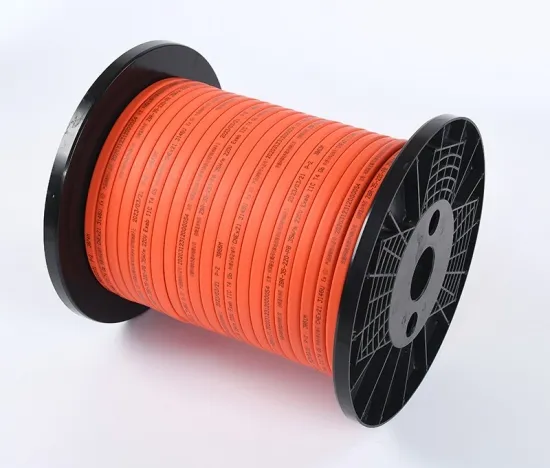
Industrial process control relies heavily on precise temperature management. Across pharmaceutical manufacturing, petroleum refining, chemical processing and power generation, holding fluid temperatures within tight tolerance ranges is critical to guaranteeing product quality, equipment safety and stable operational efficiency. Most plant operators associate dedicated heating and cooling equipment with temperature regulation at reactors and heat exchangers. However, thermal stability of distribution piping for inter-stage fluid transfer is equally vital yet frequently overlooked. Pipe thermal maintenance systems deliver dual core benefits: eliminating destructive ice blockages in cold environments and stabilizing the overall thermal profile of full piping networks. Process engineers aiming to boost system reliability and consistent product output need to fully understand this dual functional value.
Correlation Between Piping Temperature and Process Stability
Industrial fluids inside pipelines continuously exchange heat with the surrounding atmosphere. Exposed or above-ground piping suffers temperature fluctuations driven by changing ambient conditions, creating thermal gradients that push fluid temperatures away from design setpoints. Even when ambient temperatures stay above freezing, cold weather cools pipe surfaces enough to raise fluid viscosity, alter chemical reaction rates or trigger unwanted material crystallization. For instance, heavy fuel oil viscosity surges noticeably below 30°C, while many aqueous chemical solutions reach saturation and precipitate solids at temperatures far higher than 0°C. Thermal maintenance systems hold pipe wall temperatures above predefined minimum thresholds to expand the controlled thermal range of production processes. When integrated with plant-wide process control platforms, heating cables compensate for surface heat loss, ensuring downstream equipment receives process fluids at consistent design temperatures. This thermal stabilization proves especially vital for long-distance pipe runs, where cumulative heat loss over hundreds of meters leads to severe temperature drop even under above-freezing ambient conditions.
Integration Logic of Electric Heat Tracing and Process Control
Modern electric thermal tracing systems support seamless integration with distributed industrial process control frameworks. Temperature sensors mounted at key pipeline sections transmit real-time data to PLCs or building management systems. Control units adjust heating output based on measured pipe temperature, ambient climate and medium flow rate. This closed-loop control architecture stabilizes pipe temperatures within ±2°C of target values, unaffected by external weather swings. Two mainstream heat tracing product categories fit different control architectures: self-regulating heating cables match basic single-point thermostats and advanced PID multi-loop control systems; constant-wattage tracing systems (including series, parallel and mineral-insulated types) are equipped with matched dedicated temperature controllers for high-temperature and long-distance pipeline scenarios. Heat tracing circuits can be divided into independent process control zones to realize unified coordinated temperature management across an entire facility. All qualified heating cable products undergo standardized thermal performance calibration testing under accredited laboratory protocols to support accurate debugging of matching control systems.
Thermal Stabilization Performance Across Various Industrial Segments
Though the application focus of pipe thermal maintenance varies by industry, the core working principle remains consistent: offset pipeline heat loss to retain stable physical and chemical properties of transported media.
Petroleum & Chemical Processing
Maintaining crude oil and intermediate product temperatures above wax precipitation points avoids pipeline blockages that interrupt stable feed supply to distillation units. Constant-wattage heat tracing is widely adopted for long-distance high-temperature chemical delivery pipelines, as even 5°C temperature deviation will shift polymerization reaction speeds and alter finished product indicators. Self-regulating cables are more suitable for short, complex branch pipelines with numerous valves and elbows requiring flexible laying.
Food, Beverage & Pharmaceutical Production
Uniform temperature control directly impacts sanitation effectiveness and product compliance. Dairy CIP cleaning pipelines require sustained 60°C temperature to guarantee sterilization performance; thermal tracing prevents excessive cooling during winter shutdown periods. Pharmaceutical production enforces stricter tolerances, with most active ingredient transport pipelines requiring temperature control within ±2°C of set values. Self-regulating heating cables with medium-temperature grade are commonly specified for such precise low-to-medium temperature holding requirements.
Energy & Public Infrastructure
Nuclear power auxiliary cooling water, borate storage and emergency feedwater pipelines demand ultra-strict temperature control to secure reactor operation, where mineral-insulated heat tracing stands out for high-temperature resistance and full explosion-proof performance. Large-scale rail transit water supply and brake air pipelines cross vast areas with variable elevation and climate; matched heat tracing solutions stabilize medium temperatures year-round to eliminate weather-induced operational delays.
Mitigation of Thermal Shock and Cyclic Pipe Material Stress
Beyond steady fluid temperature holding, properly configured heat tracing reduces thermal shock and cyclic mechanical stress to extend pipeline service life. Unprotected pipelines experience sharp temperature drop followed by rapid heating activation, creating dramatic thermal gradients between pipe walls and sediment deposits. Repeated cold-heat cycles trigger material fatigue cracking, especially at high-stress positions such as welds and flanges. Self-regulating heating cables deliver gentle, evenly distributed heat output to minimize thermal gradients along pipelines, with localized power adjustment to prevent concentrated hotspots. Certified overlapping laying capability simplifies construction at complex fittings without overheating risks. For high-temperature harsh chemical process pipelines, two mature solutions are available: high-temperature self-regulating cables for medium-range temperature holding, and mineral-insulated constant-wattage tracing for ultra-high temperature, high mechanical load and hazardous explosion-prone environments. Each category delivers stable thermal output while meeting global industrial safety standards.
Energy Efficiency & Carbon Optimization in Long-Term Thermal Control
Continuous temperature maintenance consumes power, making energy-efficient thermal management a core sustainability target amid rising energy prices and stricter carbon emission regulations. Targeted electric heat tracing only supplies heat to piping sections with actual heat loss demand, differing from full-space building heating methods. Direct surface heating for pipelines achieves high thermal efficiency under complete standard insulation construction; actual efficiency figures fluctuate based on insulation thickness, wind exposure and pipeline layout. Self-regulating cables automatically cut power draw when ambient temperatures rise or process fluids carry sufficient internal heat, delivering obvious energy-saving benefits for pipelines with large seasonal temperature swings. Large industrial plants usually adopt zoned segmented control, setting independent temperature targets for different production units to match heating output precisely with process demands and eliminate wasteful overheating. Under fluctuating ambient temperature conditions, self-regulating systems deliver measurable electricity savings compared with non-adjustable constant-wattage tracing without intelligent zoning control, lowering indirect carbon emissions and supporting corporate ESG goals. Constant-wattage tracing paired with multi-point segmented PID controllers also achieves excellent energy performance for pipelines requiring uninterrupted high-temperature holding all year round.
Conclusion
Pipe thermal maintenance systems deliver far wider value than cold climate anti-freeze protection alone. While ice prevention remains their core safety function, they also form an indispensable pillar of consistent process temperature control to secure product quality, extend equipment service life and boost overall operational efficiency. By matching appropriate electric heat tracing products with plant process control systems, operators can extend precise thermal stabilization from reaction vessels to every section of distribution piping networks. Process engineers and facility managers should regard pipe thermal tracing as an integrated part of full-site temperature control strategies, rather than a standalone seasonal cold-weather solution, to build more stable, energy-saving and sustainable industrial operation systems. As production temperature tolerances narrow and energy costs keep rising, the strategic value of professionally designed pipeline thermal maintenance solutions will grow continuously.
Table of Contents
- Correlation Between Piping Temperature and Process Stability
- Integration Logic of Electric Heat Tracing and Process Control
- Thermal Stabilization Performance Across Various Industrial Segments
- Mitigation of Thermal Shock and Cyclic Pipe Material Stress
- Energy Efficiency & Carbon Optimization in Long-Term Thermal Control
- Conclusion